


How Muslim Entrepreneurs Are Breaking Barriers Worldwide

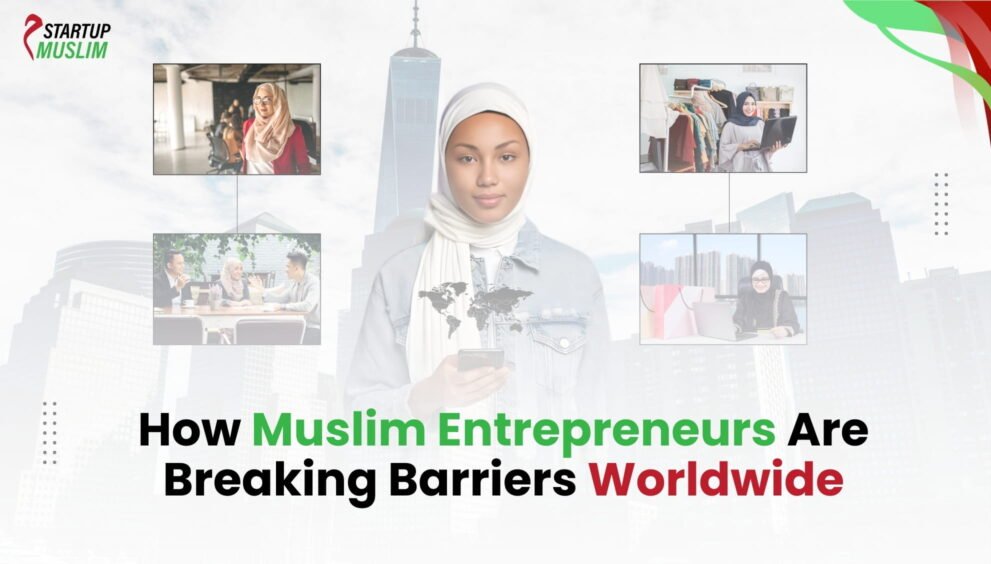
Business today isn’t like it used to be. Borders don’t matter as much, and ideas can travel faster than ever. In this environment, Muslim entrepreneurs worldwide are making their mark. They’re creating companies, challenging stereotypes, and showing that faith and innovation can go hand in hand. It’s not always easy. But these stories matter.
The Rise of Muslim Entrepreneurs Worldwide
For years, Muslim professionals were underrepresented in global business. There were barriers, sometimes small, sometimes huge. Stereotypes. Lack of access. People not taking them seriously.
But now? Things are shifting. Slowly, steadily. Muslim entrepreneurs worldwide are stepping up, opening businesses that serve local and international markets. And they’re doing it without losing their identity.
Overcoming Barriers
Starting out wasn’t simple. Many had to fight assumptions and closed doors. Some had no mentors. Others lacked funding.
Take Sara Al Madani from the UAE. She runs multiple ventures, from fashion to education, and refuses to let traditional expectations hold her back. Her story shows how Muslim founders breaking barriers can succeed against the odds.
Challenges still exist, though. Funding can be tight. Leadership positions aren’t always open. Balancing faith with global business norms is tricky. Yet, all this seems to push Muslim entrepreneurs worldwide to find smarter ways to succeed.
Muslim Innovators Globally
Across industries, Muslim innovators globally are making their presence felt. Tech. Beauty. Fashion. Social enterprise. You name it. Their work shows that Muslim empowerment in business isn’t just local, it’s everywhere.
Tech Trailblazers
Omar Hamoui, the founder of AdMob, came from humble beginnings. He built a company that Google eventually bought. That’s Muslim business leadership in action.
Rashid Ali from the UK created fintech platforms aligned with Sharia law. His work helps Muslim communities access finance ethically. These examples prove that Muslim entrepreneurs worldwide can innovate without losing their roots.
Creative Industries
Muslim representation in business is growing in beauty and fashion too.
Huda Kattan, the Iraqi-American behind Huda Beauty, started with a blog. Now, it’s a global brand. She proves Muslim founders breaking barriers can thrive in sectors often dominated by others.
Fashion designers like Faiza Bouguessa mix tradition with modern style. Their creations reach global audiences while staying true to culture.
Leadership and Ethics
Many Muslim entrepreneurs stand out because of their ethics. Fairness, honesty, responsibility, these principles aren’t just moral choices. They can be good business strategies too.
Ethics as Strength
Clients notice when businesses operate ethically. It builds trust and loyalty. Amanah Global, a UK-based Islamic finance firm, sticks to Sharia principles. Their clients value that.
Mentorship Matters
Leadership isn’t just about making money. It’s about lifting others. Many Muslim business leaders mentor the next generation. They create networks and support systems so the journey is less lonely for those who follow.
Muslim Representation in Business
Representation is powerful. Seeing successful Muslim entrepreneurs says: “You belong. You can do it.”
Closing the Visibility Gap
For a long time, Muslim achievements in business were overlooked. Media rarely covered them. Today, platforms like LinkedIn and awards programs highlight their stories.
Ali Banat, an Australian entrepreneur, used his wealth to fund charitable projects. He shows business can be about social impact too. Stories like his inspire a new generation of socially conscious Muslim entrepreneurs worldwide.
Community Engagement
Many Muslim entrepreneurs give back. Mentorship, resources, training, they’re all part of building Muslim empowerment in business. Networks like the Muslim Women in Business Network support aspiring entrepreneurs and help them break systemic barriers.
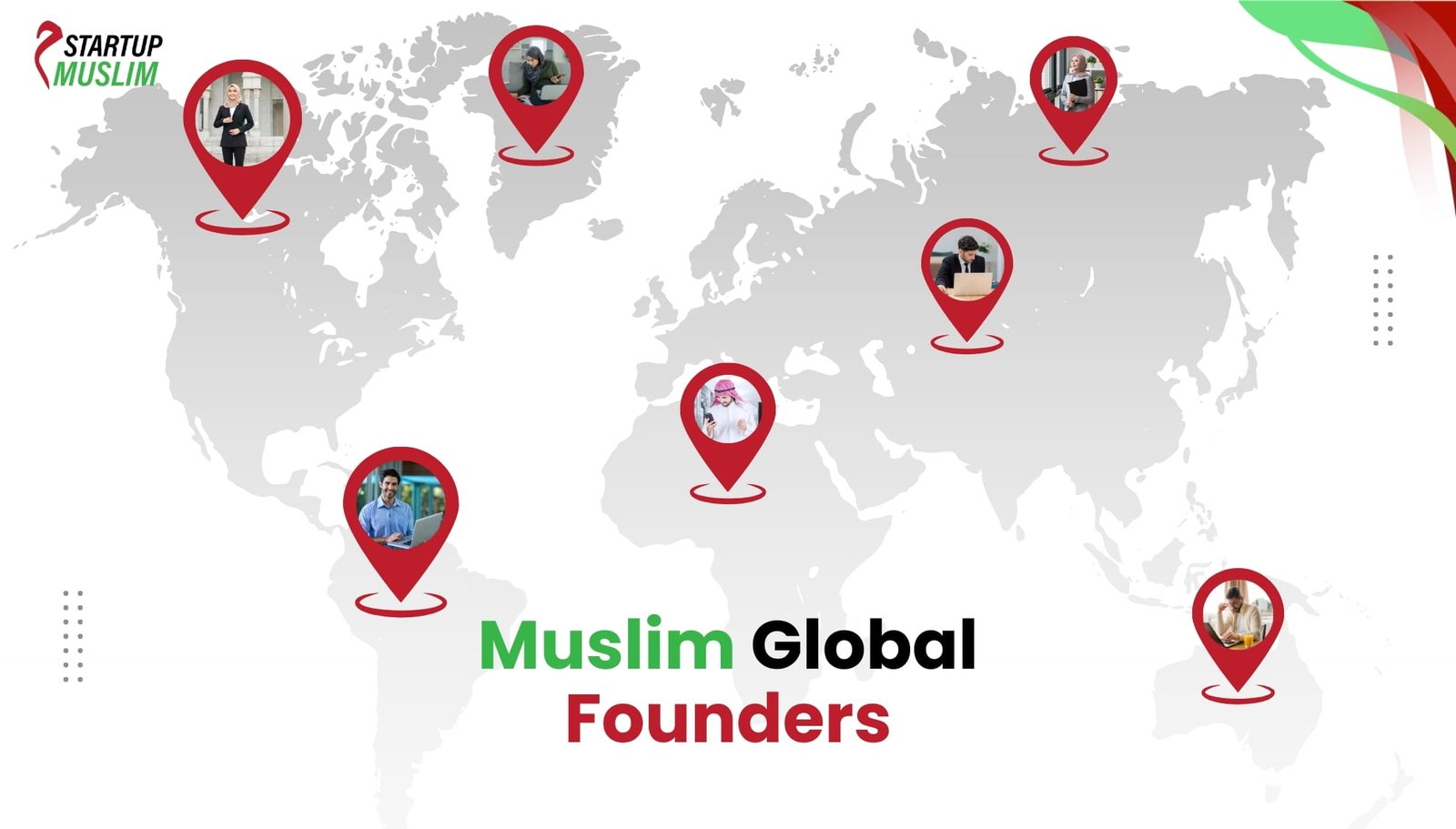
Case Studies
Tech: Omar Hamoui
From college student to founder of a Google-acquired company, Omar Hamoui proves Muslim innovators globally can disrupt industries and create real impact.
Beauty: Huda Kattan
Huda Kattan turned a blog into a global brand. She shows Muslim founders breaking barriers in sectors where representation has been limited.
Social Entrepreneurship: Ali Banat
Ali Banat reinvested his wealth into social projects. He proves business can be more than profit. It can serve a purpose.
The Future
Momentum is building. Networks are growing. Technology is opening doors. The next generation of Muslim entrepreneurs worldwide looks set to make bigger waves.
Emerging Trends
- Digital businesses are booming: e-commerce, fintech, apps.
- Sustainability matters more now. Islamic ethics align with eco-conscious practices.
- Cross-cultural collaborations are growing. Entrepreneurs are partnering globally.
Empowering the Next Generation
Education, mentorship, visibility, these will shape the future. Sharing success stories strengthens the ecosystem. Muslim empowerment in business is becoming more than a trend; it’s a reality.
Conclusion
Muslim entrepreneurs worldwide are changing the game. They’re showing the world that business success and ethics can go together. From tech innovators to beauty moguls to social entrepreneurs, they are breaking barriers, creating opportunities, and inspiring the next generation.
Celebrating Muslim founders breaking barriers and encouraging Muslim empowerment in business proves that resilience, vision, and purpose can reshape industries, and the world.
The future is inclusive. Diverse. Purpose-driven. And Muslim entrepreneurs are leading the way.
🌍 Put Your Business on the Global Stage!
Highlight your Muslim-owned business to a worldwide audience that values ethics and purpose-driven entrepreneurship. Join Startup Muslim today and get noticed!
FAQs
1. Who are some notable Muslim entrepreneurs worldwide?
Omar Hamoui (AdMob), Huda Kattan (Huda Beauty), Ali Banat (social entrepreneurship).
2. What challenges do Muslim entrepreneurs face?
Limited funding, underrepresentation in leadership, cultural and religious misunderstandings.
3. How do they integrate ethics in business?
Islamic principles like fairness and honesty build trust and customer loyalty.
4. How do they empower communities?
Through mentorship, networks, training, and guidance for aspiring entrepreneurs.
5. Why is Muslim representation in business important?
It inspires future leaders, breaks stereotypes, and highlights global contributions of Muslim innovators.