





Success Habits of Highly Effective Muslim Entrepreneurs

Success in business is often talked about like it’s a big moment. A breakthrough. A viral win. But for most people, that’s not how it really works.
For many Muslim entrepreneurs, success is built quietly, over time. Through habits that don’t always look impressive from the outside. Through choices that aren’t always the fastest or easiest. And through a mindset that connects work to something deeper than numbers on a screen.
This isn’t about perfection or pretending faith magically solves business problems. It’s about patterns. What effective Muslim founders actually do day after day.
Intention Comes Before Action
Why Intention Matters More Than Strategy
One of the most overlooked Islamic business habits is starting with intention. Not in a dramatic way. Just a simple internal check: Why am I doing this?
That question shows up before launches, partnerships, even difficult conversations.
Clear intention doesn’t remove struggle. But it gives direction when things get messy. And they always do.
Purpose That Keeps You Going
Many founders burn out because the only reason they’re working is growth itself. That gets tiring fast.
A lot of Muslim entrepreneurs tie their work to service, value, or contribution. That doesn’t make things easy. But it makes them worth continuing when motivation dips. Purpose doesn’t replace profit. It supports it.

Discipline Beats Motivation Every Time
Consistency Is the Real Skill
One of the strongest habits of Muslim business owners is showing up even when they don’t feel like it. Not grinding endlessly. Just staying consistent.
Motivation is unreliable. Discipline is quieter, less exciting, but far more effective. Progress usually comes from boring repetition, not dramatic effort.
Treating Time Seriously
Time isn’t treated casually. It’s not endless. Many founders plan their days around what actually matters instead of filling every hour with tasks.
This is where practical Muslim productivity tips really help. Fewer distractions. Clear priorities. Realistic expectations. Not perfect schedules. Just intentional ones.
Ethics Aren’t a Branding Tool
Integrity Shows Up in Small Decisions
Ethics aren’t just about big moral moments. They show up in small things. Honest pricing. Clear communication. Fair treatment.
These are core traits of successful Muslim entrepreneurs, even when they don’t call them that. Trust takes time to build. Losing it takes seconds.
Walking Away From Shortcuts
There are always faster ways to grow. Not all of them are clean.
Many founders choose slower paths because they want businesses they can stand behind long term. This choice shapes sustainable Muslim business success strategies, even if it costs them quick wins early on. Long-term thinking changes everything.

Learning Never Really Stops
Staying Teachable
Effective founders don’t assume they’ve figured it all out. They read. They ask questions. They listen more than they talk.
Learning isn’t about collecting information. It’s about staying flexible. This is a big part of the mindset of Muslim founders who last beyond their first phase of success.
Feedback Without Defensiveness
Feedback can sting. Especially when you’ve worked hard. But founders who grow learn to separate their ego from their work. They treat feedback as information, not a personal attack. That alone saves years of mistakes.
Thinking Beyond Today
Long-Term Vision Over Constant Urgency
Not everything needs to happen now. Many businesses fail because they rush growth without building foundations. Patience is a strategy, even if it doesn’t feel like one. Strong Muslim business success strategies focus on systems, people, and steady improvement instead of constant expansion.
Taking Risks Carefully
Risk is unavoidable. Recklessness isn’t. Effective founders take calculated risks. They ask questions. They pause. They seek advice. Then they move. That pause often makes the difference.
Productivity Without Burning Out
Redefining What “Working Hard” Means
Working hard doesn’t have to mean being exhausted all the time. Many founders learn this the hard way. Real productivity is about clarity, not constant effort. This is why Muslim productivity tips often emphasize balance, rest, and mental focus. Not laziness. Sustainability.
Paying Attention to Mental Health
Ignoring stress doesn’t make it disappear. It just shows up later, usually worse. Self-aware entrepreneurs build space for rest, reflection, and recovery. That space protects their judgment and leadership over time.
Leadership Is About People
Relationships Over Transactions
Businesses grow through people, not just ideas. Strong leaders invest time in relationships. With customers. With teams. With partners. This approach builds loyalty that marketing alone can’t buy. It’s a quiet but powerful habit of Muslim business owners.
Compassion With Boundaries
Kindness doesn’t mean lack of standards. Effective leaders are clear, fair, and human at the same time. That balance creates trust and accountability together.
Handling Money Responsibly
Treating Money as a Tool
Money is necessary. Obsession isn’t. Many founders focus on stability over flash. They budget carefully, reinvest wisely, and avoid unnecessary pressure. Financial discipline reduces anxiety and improves decision-making.
Giving Back Intentionally
For many Muslim entrepreneurs, success feels incomplete without contribution. Giving isn’t always public. Often it’s quiet and consistent. This habit adds meaning to growth.
Adapting Without Losing Yourself
Flexibility Rooted in Values
Markets change. Trends shift. What worked last year may not work now. Effective founders adapt, but they don’t abandon their principles to do it. Values stay fixed. Strategies change. That’s how businesses survive long-term.
Learning From Setbacks
Failure happens. What matters is what you do next. Founders who treat setbacks as lessons instead of personal defeats recover faster and stronger.
Self-Reflection Keeps You Grounded
Checking Yourself Regularly
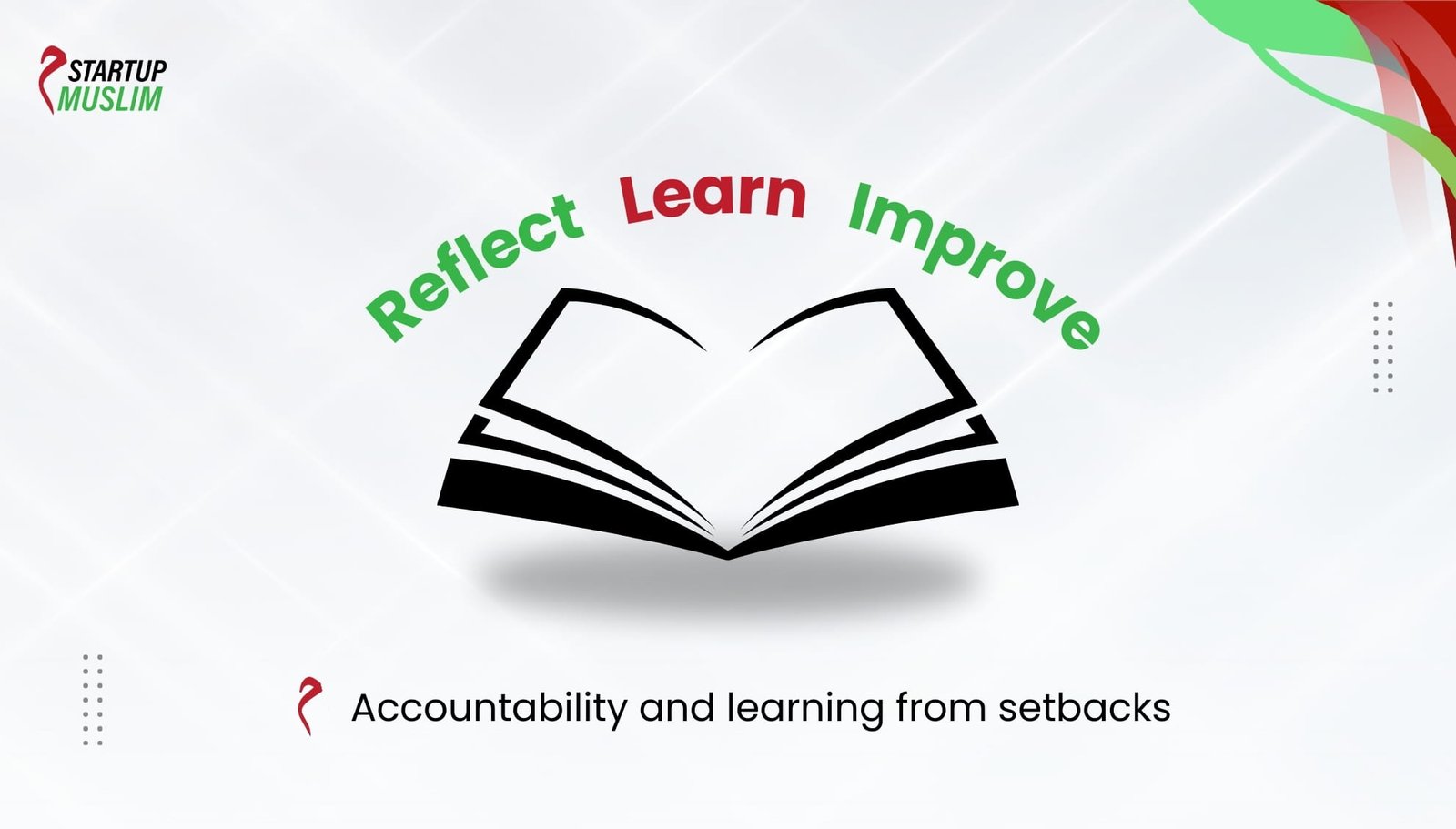
Growth can quietly pull people off track. Self-reflection helps founders realign with their values, intentions, and goals before problems grow bigger. It’s an underrated habit, but a powerful one.
Owning Mistakes Honestly
Blame slows growth. Responsibility speeds it up. Founders who admit mistakes gain trust, both internally and externally. And they learn faster.
Building Something That Lasts
Thinking Beyond Personal Success
Many Muslim entrepreneurs aren’t just building for now. They’re thinking long-term. About systems. About culture. About impact. That perspective changes decisions at every level.
A Broader Definition of Success
Success isn’t only revenue. It’s peace of mind. Integrity. Strong relationships. Work that doesn’t hollow you out. When those things exist, growth feels sustainable instead of draining.
Final Thoughts
There’s no single formula for success. But patterns exist. The habits discussed here are simple, not flashy. Intention. Consistency. Ethics. Reflection. Balance.
When practiced over time, they help Muslim entrepreneurs build businesses that are not just profitable, but sustainable and meaningful. And that kind of success lasts longer than trends ever do.
🚀 Share Your Business with the World!
Showcase your Muslim-owned venture to a global audience that champions ethical and value-driven entrepreneurship. Apply to Startup Muslim now!
Frequently Asked Questions
1)What makes Muslim entrepreneurs approach business differently?
They often connect business with responsibility, ethics, and long-term impact rather than profit alone.
2)Are Islamic business habits practical today?
Yes. Honesty, consistency, and fairness are still competitive advantages in modern markets.
3)What are common traits of successful Muslim entrepreneurs?
Discipline, ethical clarity, adaptability, patience, and purpose-driven thinking are consistent traits of successful Muslim entrepreneurs.
4)How do Muslim productivity tips help in business?
They focus on balance, intentional time use, and avoiding burnout rather than constant hustle.
5)What mindset of Muslim founders supports resilience?
The mindset of Muslim founders emphasizes accountability, reflection, and continuous learning, which helps them navigate uncertainty.