

How Young Muslim Entrepreneurs Are Building Businesses

Something interesting is happening across the global business space, and it’s easy to miss if you’re only looking at big headlines and unicorn valuations. In quieter corners of the internet, in shared workspaces, university dorm rooms, family living rooms, and late-night Zoom calls, young Muslim entrepreneurs are building businesses that feel different. Not louder. Not flashier. Just more intentional.
This generation isn’t obsessed with chasing titles or copying Silicon Valley formulas word for word. They’re trying to build something that fits the world they actually live in; messy, fast-changing, value-conscious, and deeply interconnected. And in the process, they’re reshaping what the future of business might look like.
A Different Starting Point for a New Generation
Growing Up With Questions, Not Just Dreams
Many Gen Z Muslim founders didn’t grow up believing that business was automatically a force for good. They saw economic inequality, environmental damage, burnout culture, and unethical corporate behavior play out in real time.
So when they decided to start something of their own, they didn’t just ask, “What can I sell?” They asked, “What problem is worth solving?” That shift alone explains a lot about why youth Muslim startups feel so different from older models.
Identity Is Not an Afterthought
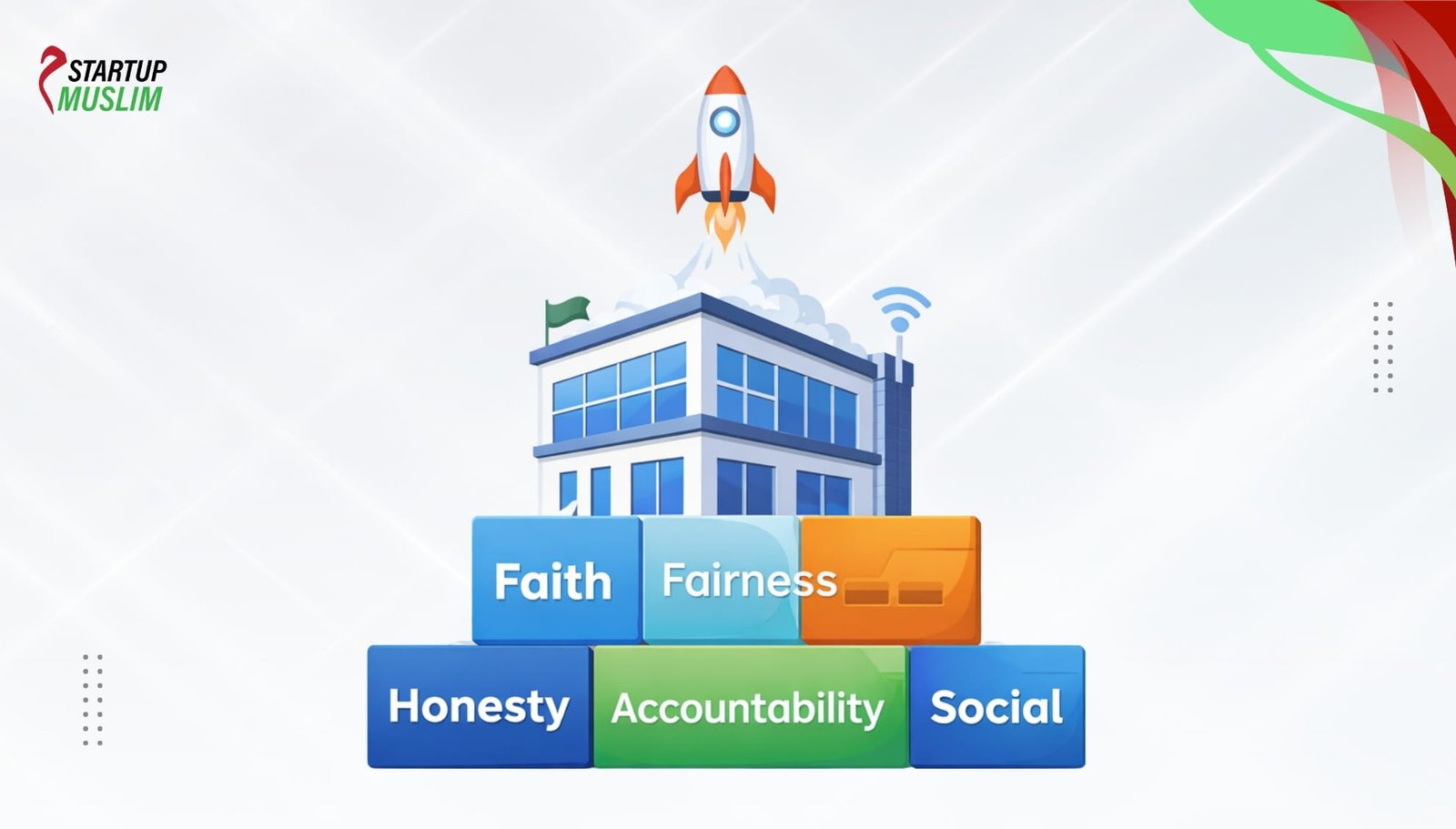
For a lot of young Muslim business owners, faith and identity are not things to hide until after success arrives. They are part of the foundation. This doesn’t mean every business is religious in nature. It means values like fairness, honesty, social responsibility, and accountability are baked into decisions early on. For many founders, Islam is less about labels and more about guidance, especially when things get complicated.
Values Before Virality
Ethics as a Business Decision
There’s a quiet confidence among emerging Muslim entrepreneurs when it comes to ethics. They’re less interested in shortcuts and more focused on sustainability.
That shows up in:
- How suppliers are chosen
- How teams are treated
- How customers are spoken to
- How profits are generated
It’s not always perfect. Mistakes happen. But the intention matters, and customers can usually tell.
A good example is Wahed, the Shariah-compliant investment platform. While it isn’t a Gen Z startup, its continued growth depends heavily on younger professionals who understand how to communicate ethical finance in a modern, accessible way. Their influence shows how younger voices are reshaping even established Muslim-led businesses. This mindset is central to how young Muslim entrepreneurs think about success.
Profit Still Matters
There’s no romantic rejection of money here. These founders want their businesses to work. But profit is seen as a tool, not a trophy. It supports growth, stability, and impact. It’s not the sole measure of worth.
Digital Is the Default, Not the Goal
Built Online From Day One
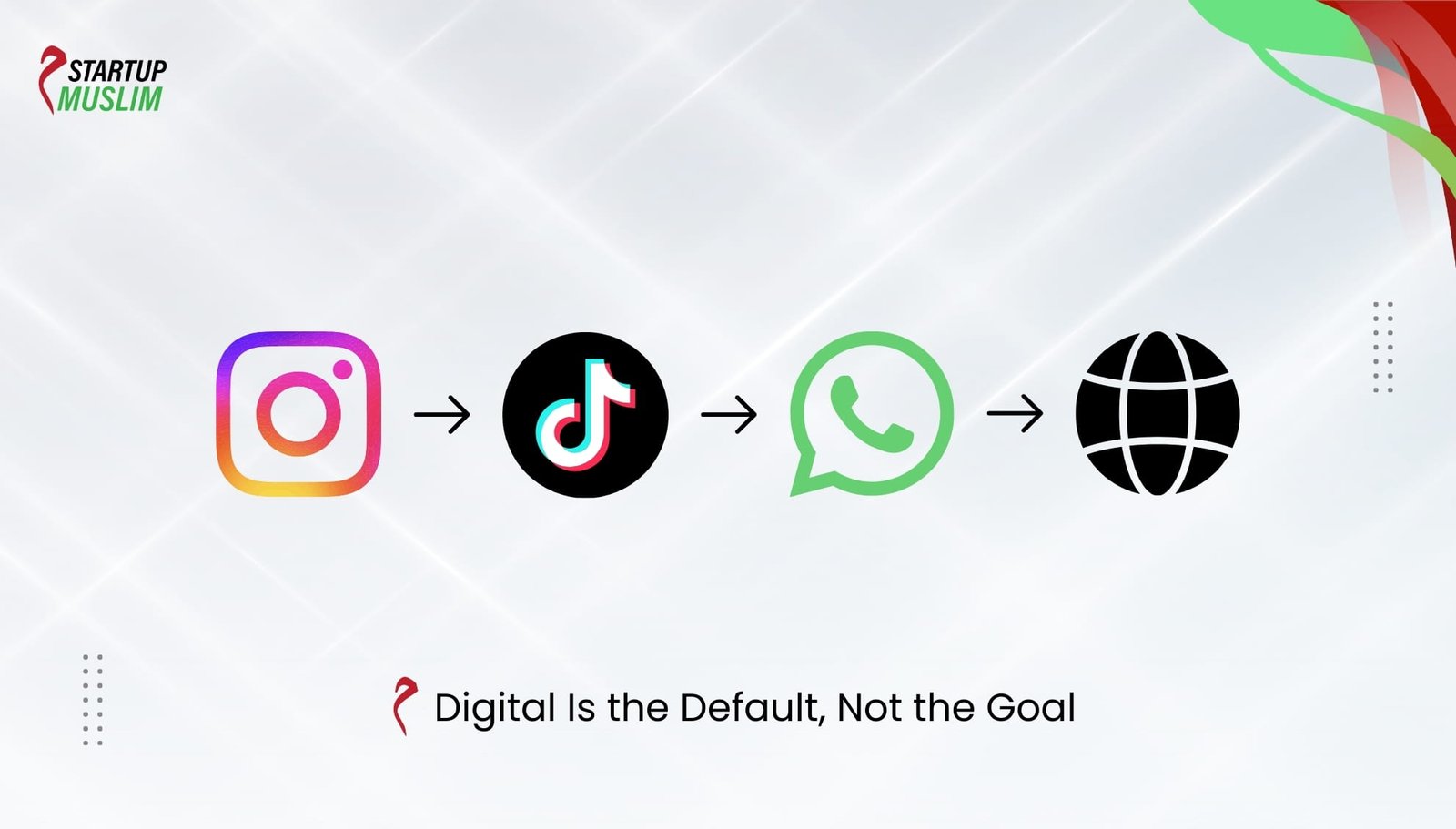
Next-generation Muslim founders don’t “move online.” They start there. Instagram pages launch before websites. WhatsApp groups turn into customer communities. TikTok becomes a testing ground for ideas, not just marketing.
This digital fluency allows youth Muslim startups to reach global audiences without massive budgets.
Modest Fashion and Youth-Led Innovation
Take modest fashion as an example. Brands like Modanisa have stayed relevant largely because younger teams understand how Gen Z consumes content and connects with brands. The visuals are cleaner. The messaging is more inclusive. The storytelling feels real.
This shift reflects how young Muslim business owners are influencing industries from the inside, not just through new startups.
Representation Without Apology
Owning the Narrative
One of the biggest changes this generation has brought is visibility. Many founders are done trying to “blend in” to be taken seriously.
They use culturally meaningful brand names. They speak openly about identity. They challenge stereotypes simply by existing in business spaces. That honesty resonates far beyond Muslim audiences.
Media, Voice, and Cultural Impact
Muslim Girl is a strong example. Founded earlier but shaped continuously by younger contributors, the platform shows how emerging Muslim entrepreneurs are influencing culture, politics, and representation through digital media. It’s not just a brand. It’s a voice, and that matters.
Community Over Customers
Selling Comes After Trust
Many youth Muslim startups don’t rush to sell. They focus on building trust first.
That might mean:
- Sharing educational content
- Being transparent about struggles
- Engaging directly with followers
People don’t just buy the product. They support the journey. This approach explains why young Muslim entrepreneurs often have smaller but more loyal audiences.
Collaboration Is Common
Competition exists, of course. But collaboration is far more visible than before. Joint launches, shared events, and cross-promotion are common among young Muslim business owners who understand that collective growth benefits everyone.
The Challenges Are Still Real
Funding Isn’t Easy
Access to capital remains one of the biggest obstacles. Halal funding options are limited, and traditional investors don’t always understand faith-based business models.
As a result, many youth Muslim startups grow slowly, funded by personal savings and community support.
Being Visible Has a Cost
Being openly Muslim in business can still invite misunderstanding or bias. Yet many founders choose visibility anyway, believing that representation today creates opportunity tomorrow.
That resilience is shaping a stronger generation of future Muslim business leaders.
Leadership That Feels Human
Less Ego, More Empathy
Many next-generation Muslim founders lead differently. They value collaboration over control and dialogue over hierarchy. This leadership style feels more human, and often more sustainable.
Talking About Burnout, Not Glorifying It
Hustle culture is being questioned. Mental health is part of the conversation now. Founders are learning, sometimes the hard way, that building something meaningful requires rest, boundaries, and self-awareness.
A Global Movement Without Borders
Location Matters Less Than Ever
A startup in Pakistan can serve clients in Canada. A founder in Nigeria can collaborate with designers in Malaysia. Technology has made it possible for emerging Muslim entrepreneurs to think globally from the beginning. This interconnectedness is accelerating learning, innovation, and impact.
What the Future Looks Like
The businesses of tomorrow won’t all look the same. But many will share certain traits:
- Strong ethical foundations
- Digital-first thinking
- Community-centered growth
- Leaders who value purpose alongside ambition
As young Muslim entrepreneurs grow into mentors, investors, and industry leaders, their influence will only deepen.
Final Thoughts
This movement isn’t loud, but it’s steady. It’s not perfect, but it’s honest.
Young founders are proving that business doesn’t have to come at the cost of values. That ambition and faith don’t cancel each other out. And that success can look like impact, integrity, and long-term vision, not just numbers on a screen.
The future of business is already being built. And many of the people building it look a lot like today’s next-generation Muslim founders.
🌍 Take Your Business Global
Building something meaningful? Startup Muslim helps young Muslim entrepreneurs showcase their businesses to a global, values-driven audience. Get seen, get connected, and grow with purpose. Submit your application today!
FAQs
1. Who are young Muslim entrepreneurs?
They are Gen Z and younger millennial founders building businesses guided by innovation, ethics, and Islamic values in modern markets.
2. What types of businesses do youth Muslim startups focus on?
Common areas include tech, fintech, modest fashion, halal food, digital media, education, sustainability, and social enterprises.
3. What challenges do young Muslim business owners face most?
Access to halal funding, mentorship gaps, and navigating bias or misrepresentation are ongoing challenges.
4. How are next-generation Muslim founders different from earlier generations?
They are digital-first, community-oriented, more open about identity, and focused on long-term impact rather than quick wins.
5. Are emerging Muslim entrepreneurs shaping the future of business?
Yes. Many are becoming future Muslim business leaders by building ethical, adaptable, and globally connected companies that influence how business is done.