

Female Muslim Entrepreneurs Leading the Way

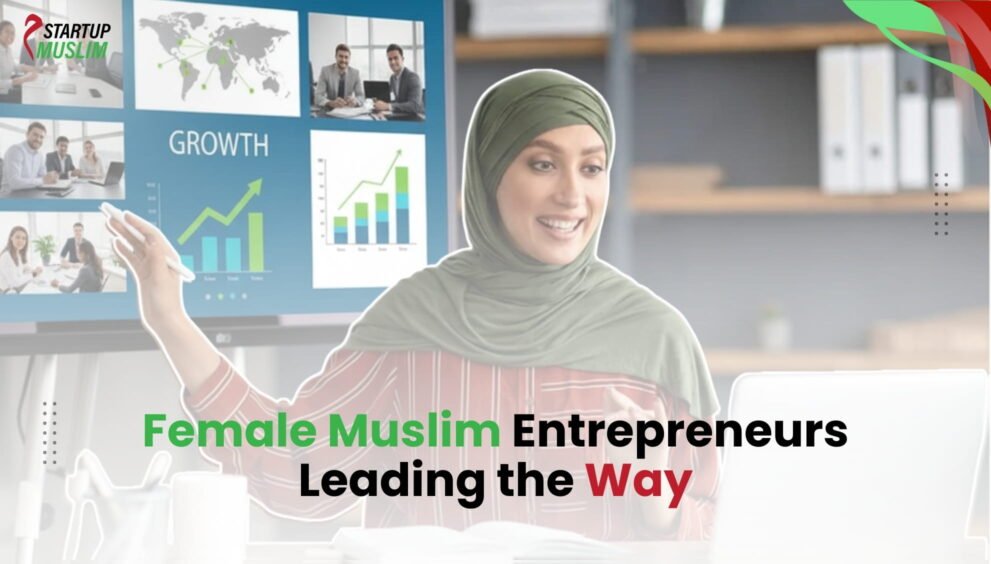
Something has shifted in global business, and it didn’t happen overnight. Across different industries and time zones, female Muslim entrepreneurs are building companies that feel grounded, intentional, and surprisingly bold. Not loud. Not rushed. Just solid. The kind of businesses that last.
For a long time, Muslim women weren’t expected to lead at this scale. That expectation, quietly but firmly, is being dismantled. And it’s overdue.
A New Reality for Muslim Women in Business
Old Narratives Are Wearing Thin
For years, the image of Muslim women was flattened into something one-dimensional. Rarely are leaders. Rarely innovators. Almost never founders. That version doesn’t hold up anymore.
Muslim women in business are launching startups, running profitable brands, and heading organizations that compete globally. Not as an exception. As a growing presence. It matters because visibility changes access. And access changes outcomes.
Identity Isn’t a Weakness Here
Many women Muslim business leaders don’t separate belief from business. They don’t feel the need to. Ethics, faith, and values often shape how decisions are made; who they hire, how they source, how transparent they are. This doesn’t slow things down. It builds trust. And trust compounds. In a market tired of performative branding, that kind of clarity stands out.
Muslim Women Entrepreneurship Rising Everywhere
Not Limited to One Place
The rise of Muslim women entrepreneurship isn’t happening in just one region. It’s visible in the Middle East, Southeast Asia, Europe, Africa, and North America; sometimes quietly, sometimes very publicly.
Digital tools changed the entry point. Social media. E-commerce. Remote services. Female Muslim entrepreneurs no longer need traditional gatekeepers to build something real. Many start local and scale global without ever relocating. That’s a big deal.
The Role of Community
Behind many successful founders is some form of support, mentors, women-focused accelerators, or peer networks that understand cultural nuance. These spaces don’t just teach strategy or fundraising. They offer validation. That sense of “you belong here” changes how confidently someone builds.
Muslim Women Innovators You Can’t Ignore
Beauty and Consumer Brands
When people talk about top Muslim female founders, Huda Kattan is impossible to skip. Huda Beauty didn’t start as a corporate idea. It started with content, trust, and consistency.
What made it scale wasn’t just product quality. It was inclusivity. Representation. Honesty. Huda showed that female Muslim entrepreneurs don’t need to dilute their identity to build global brands. They can lead with it.
Fashion and Creative Spaces
Hana Tajima helped shift how modest fashion is seen worldwide. Her work proved that faith-conscious clothing can be modern, relevant, and commercially successful.
Then there’s Dina Tokio, who carved out space in media and fashion by telling her story without over-explaining it. Her brand sits at the intersection of creativity, culture, and confidence. These Muslim women innovators didn’t wait to be invited in. They built their own rooms.
Media and Platforms With Purpose
Amani Al-Khatahtbeh, founder of MuslimGirl, turned a blog into a global media platform. Business, culture, and advocacy overlap in her work; and that overlap is intentional. It’s a reminder that entrepreneurship doesn’t have to be detached from meaning.
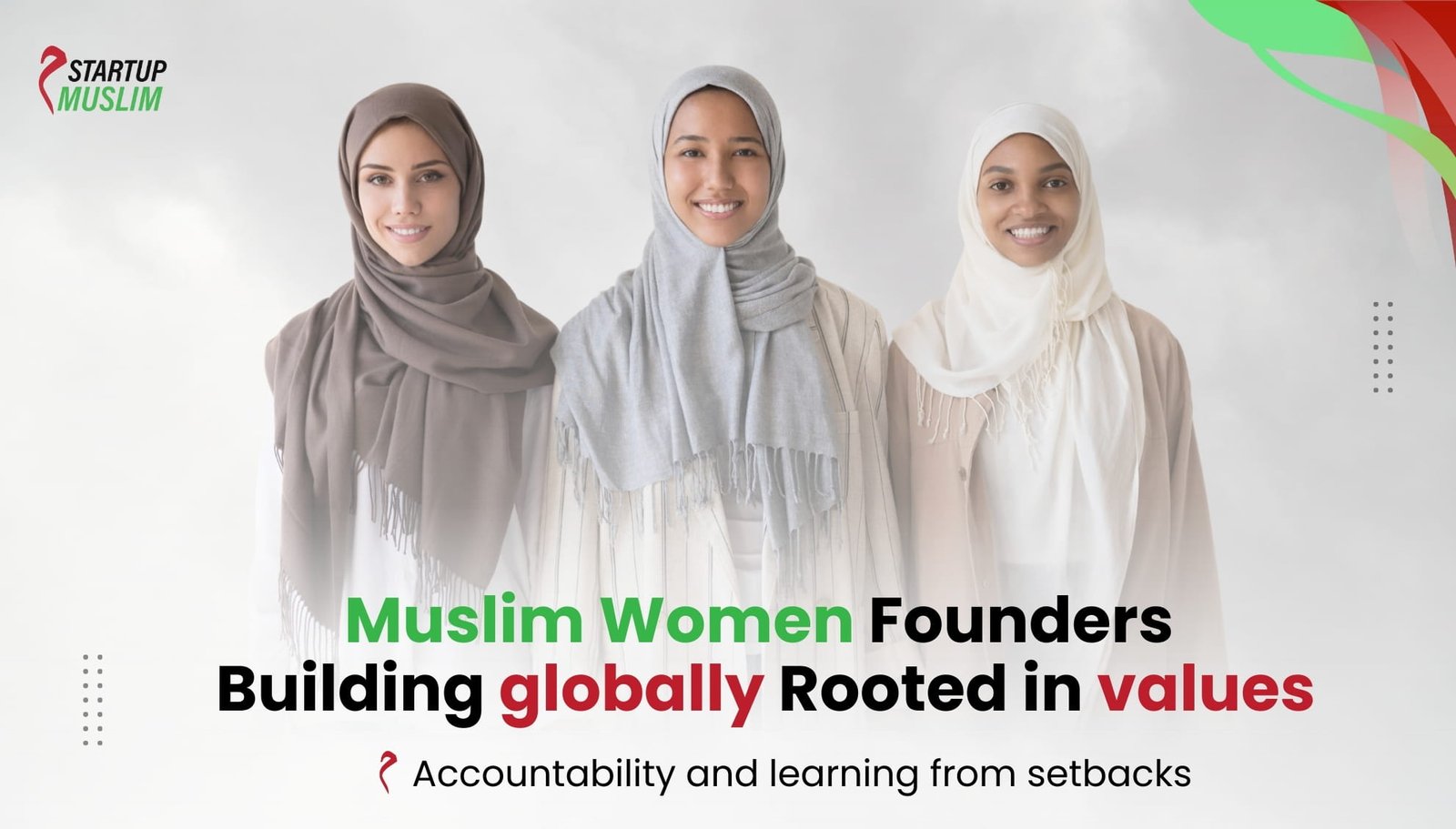
How Women Muslim Business Leaders Actually Lead
Growth Isn’t Always Loud
Many female Muslim entrepreneurs aren’t chasing hypergrowth for the sake of it. They grow carefully. Intentionally. Sometimes slowly.
But sustainably. Decisions often prioritize long-term impact over short-term applause. Ethics matter. Team wellbeing matters. That approach doesn’t always make headlines. It does build resilience.
Collaboration Over Control
Leadership here often looks collaborative rather than rigid. Less hierarchy. More trust. Teams are built around shared purpose, not just output. And that tends to hold up better when things get messy; which they always do.
The Real Challenges (Still There)
Funding Isn’t Equal Yet
Despite progress, access to capital remains uneven. Many Muslim women entrepreneurs still face hesitation from investors; sometimes due to unfamiliar markets, sometimes bias, sometimes both.
Some bootstrap longer. Some seek values-aligned funding. Others rely on community-supported growth. Hard paths, yes. But often stronger ones.
Visibility Has a Cost
With success comes scrutiny. Muslim women leaders are often expected to represent more than just themselves. Sometimes an entire community. Even so, female Muslim entrepreneurs continue showing up without shrinking.That matters.
Why Representation Goes Deeper Than Visibility
Leadership Looks Different Now
When Muslim women are visible as founders and decision-makers, leadership stops looking singular. Young girls see possibility. Industries adjust expectations. Investors recalibrate assumptions.This isn’t symbolic progress. It’s structural.
Passing It Forward
Many established founders mentor others, quietly, informally, consistently. Workshops. Online spaces. One-on-one conversations.
As Muslim women entrepreneurship continues, success becomes shared rather than isolated. That’s how movements last.

What Comes Next
Businesses Built to Last
The future favors integrity, transparency, and social impact. In sectors like beauty, wellness, education, tech, and sustainability, Muslim women entrepreneurs are already well-positioned. They’ve been building this way all along.
More Than a Phase
This isn’t a trend. Female Muslim entrepreneurs are reshaping industries, redefining leadership, and creating opportunities that extend beyond themselves. The work is steady. The impact is real. And it’s only growing.
👉🏻Startup Muslim; A space where Muslim women entrepreneurs are seen and supported!
Showcase your business on Startup Muslim and connect with a global, values-driven community. Submit your application today.!
FAQs
1. Who are female Muslim entrepreneurs?
Female Muslim entrepreneurs are Muslim women who build or lead businesses across sectors like fashion, beauty, tech, media, and social impact.
2. Why is Muslim women entrepreneurship rising?
Muslim women entrepreneurship is rising due to better access to education, digital tools, global markets, and supportive communities.
3. Where are Muslim women in business most visible?
Muslim women in business are highly visible in beauty, fashion, media, wellness, education, and digital services, with growing presence in fintech and sustainability.
4. Who are some top Muslim female founders?
Top Muslim female founders include Huda Kattan, Hana Tajima, Dina Tokio, and Amani Al-Khatahtbeh, globally influential women Muslim business leaders.
5. What challenges remain for Muslim women entrepreneurs?
Muslim women entrepreneurs still face funding gaps, scrutiny, and underrepresentation, but continue to grow through resilience and community support.