

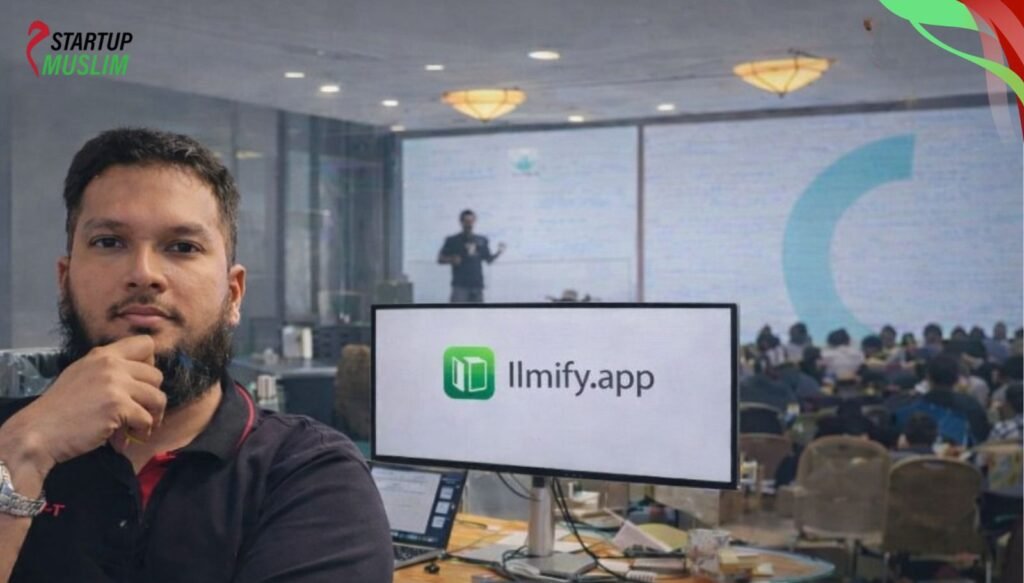
From Libya to Bali: How Ahmed Gashout Is Using AI to Help Clinics Never Miss a Patient Again


Ahmed Gashout’s journey into entrepreneurship spans continents. Originally from Libya and now based in Bali, Indonesia, the founder of FlowForge AI represents a growing generation of Muslim technologists building globally relevant products from unconventional locations.
With a background in technology and automation, Gashout spent years studying how artificial intelligence could solve practical problems faced by businesses. That curiosity eventually led to the creation of FlowForge AI and its flagship product: an AI-powered assistant designed specifically for healthcare clinics.
“I’ve always been passionate about building things that make people’s lives easier and more efficient,” Gashout says. “AI gives us the ability to solve problems at a scale that wasn’t possible before.”
The Problem Hidden in Late-Night Messages
The inspiration for FlowForge AI came from a simple but costly problem in the healthcare industry.
While observing private clinics in the Gulf region, Gashout noticed that many were losing potential patients outside normal business hours. A patient might send a WhatsApp message at 10 p.m. asking to book an appointment—but if no one responded until the next morning, that patient often booked elsewhere.
“Clinics were losing patients every day simply because nobody was there to reply,” he explains.
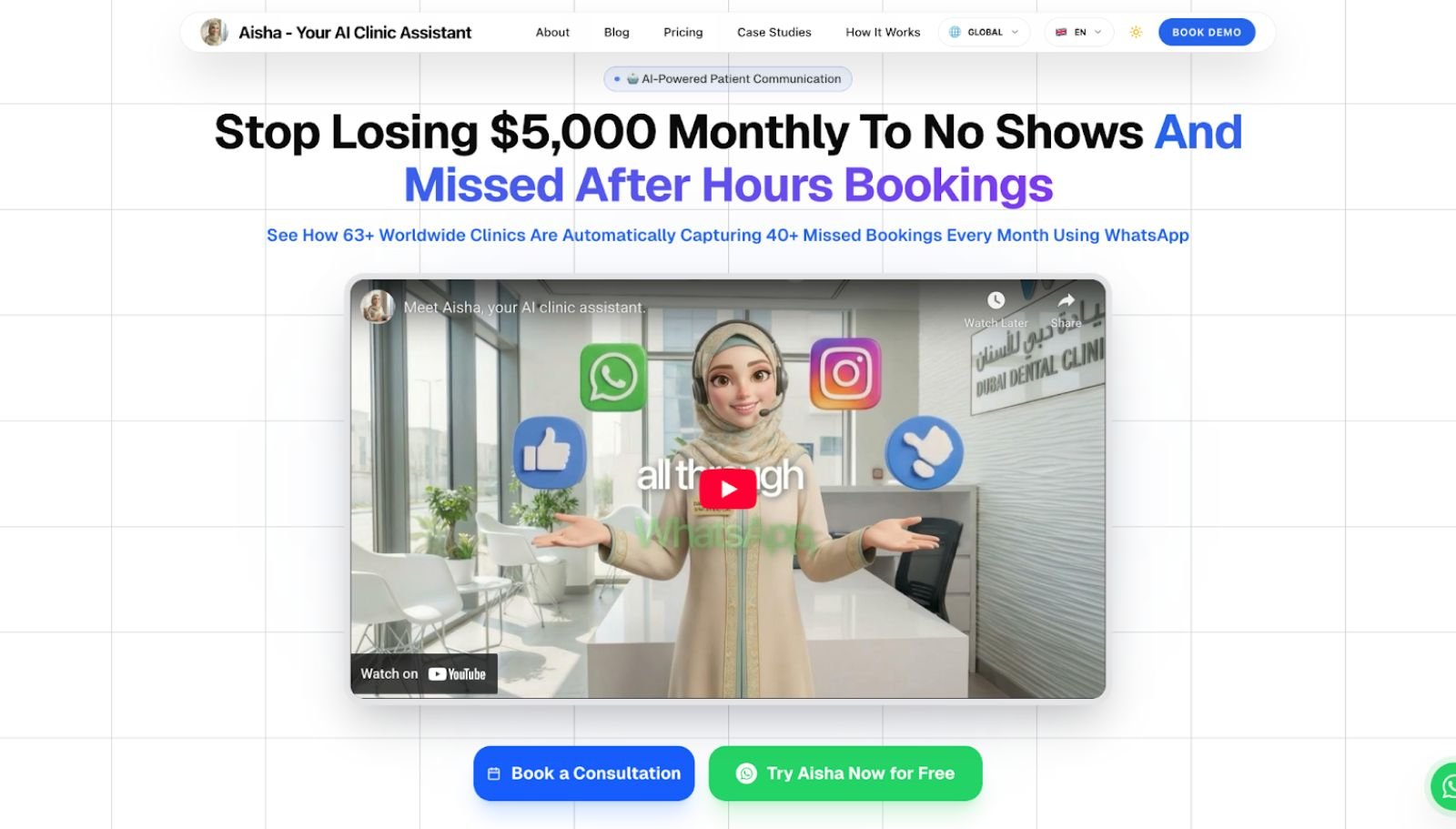
To solve this gap, Gashout built Aisha, an AI agent designed to act as a 24/7 digital receptionist. The system responds instantly to patient inquiries, answers common questions, and books appointments automatically.
The goal is simple: ensure that no patient message goes unanswered.
Leveling the Playing Field for Small Clinics
For Gashout, the most exciting part of the business is seeing how technology can empower smaller healthcare providers.
“A one-doctor clinic in Dubai can now respond faster than a hospital with a full reception team,” he says.
With Aisha handling patient communication around the clock, smaller clinics can compete more effectively with large medical institutions that traditionally have larger administrative teams.
That shift is particularly meaningful for independent practitioners who struggle with staffing costs but still want to provide responsive patient service.
Building Trust Across Borders
One of the biggest challenges Gashout faced was building credibility with clinic owners while operating remotely from Bali.
Healthcare is an industry built on trust, and decision-makers are naturally cautious when adopting new technology.
To overcome this, Gashout focused on transparency and product quality.
“We built a professional platform with a live demo so clinic owners can try it immediately,” he says. “And I’m always honest about what Aisha can and cannot do.”
That approach—prioritizing honesty over aggressive sales tactics—helped build long-term relationships with early adopters.
Scaling Across the Gulf and Beyond
FlowForge AI’s immediate growth strategy focuses on the Gulf region, particularly the United Arab Emirates, Saudi Arabia, Kuwait, Qatar, and Bahrain.
After establishing a strong presence there, Gashout plans to expand into Southeast Asia, beginning with Singapore where the company is already seeing early traction.
In the longer term, he envisions expanding Aisha beyond medical clinics into adjacent industries such as dental laboratories, pharmacies, and wellness centers—businesses that also depend heavily on appointment-based communication.
Leadership Built on Honesty and Simplicity
Gashout describes his leadership philosophy through three core values: honesty, simplicity, and genuine care for clients.
“I never overpromise,” he says. “I would rather lose a deal than mislead someone.”
For him, the success of FlowForge AI is directly tied to the success of the clinics using it.
“Their growth is our growth,” he adds.
Advice for Young Muslim Entrepreneurs
Gashout’s advice to aspiring founders is straightforward: start before you feel ready.
“I started FlowForge AI without a registered company, without investors, and without clients,” he says. “I just started building.”
He believes many entrepreneurs delay their journey while waiting for ideal conditions that rarely arrive.
“Don’t be ashamed of starting small,” he says. “Every big company started as someone’s small idea.”
Equally important, he emphasizes honesty in business.
“Allah blesses honest work,” he says.
A Legacy of Possibility
Looking ahead, Gashout hopes that Aisha becomes a trusted name among clinic owners across the Muslim world—a tool that helps thousands of healthcare providers manage their operations more efficiently.
But beyond the product itself, he hopes his story sends a broader message.
“I want to prove that Muslim founders from anywhere in the world—even from Bali—can build world-class technology products.”
If his journey encourages even one young Muslim to begin building their own ideas, Gashout believes that would already be a meaningful legacy.