




Lessons from the Most Successful Muslim Founders

In a world obsessed with speed, scale, and shiny outcomes, the journeys of successful Muslim founders feel grounding in a different way. These are stories shaped by ambition, yes, but also by purpose, patience, and a clear moral compass. Their paths aren’t smooth or cinematic. They’re messy. Humans. Often slow. And that’s exactly why they matter.
This blog revisits some of the most meaningful success stories Muslim entrepreneurs have shared with the world and unpacks the deeper Muslim entrepreneur lessons hidden beneath the headlines. Not formulas. Not shortcuts. Just real insights that last.
Why Studying Successful Muslim Founders Actually Matters
It’s easy to admire success from a distance. Revenue numbers, valuations, media features. But the real value lies beneath that surface.
When we look closely at successful Muslim founders, we don’t just see businesses built, we see belief systems in action. We see people navigating faith, failure, family pressure, and fierce competition all at once.
This is where the real top Muslim business insights come from. Not from perfection.From persistence. These founders represent a deeply rooted Muslim entrepreneurial mindset, one that refuses to separate ethics from ambition.
Islamic Business Leadership: More Than a Buzzword
Faith and Business Aren’t Opposites
One defining feature of Islamic business leadership is balance. Not extremes.
Profit matters. Growth matters. But not at the cost of honesty, fairness, or dignity.
Many Muslim founders build businesses while constantly asking, Is this halal? Is this just? Is this sustainable, not only financially, but morally?
That internal accountability changes everything. Short-term wins feel less tempting when long-term integrity is the goal.
Community Is Not an Afterthought
In many success stories Muslim entrepreneurs, success expands outward.
Jobs are created. Communities grow. Education is supported. Philanthropy becomes embedded, not performative.
Business becomes a vehicle for collective uplift, not individual ego. And that mindset? It sticks.
Integrity Builds Brands That Last
Trust isn’t optional, it’s foundational.
Customers remember honesty. Teams stay loyal when leaders act fairly. Partners return when values are consistent.
This is one of those top Muslim business insights that doesn’t show up in pitch decks but quietly defines longevity.
Real Success Stories Muslim Entrepreneurs Can Learn From
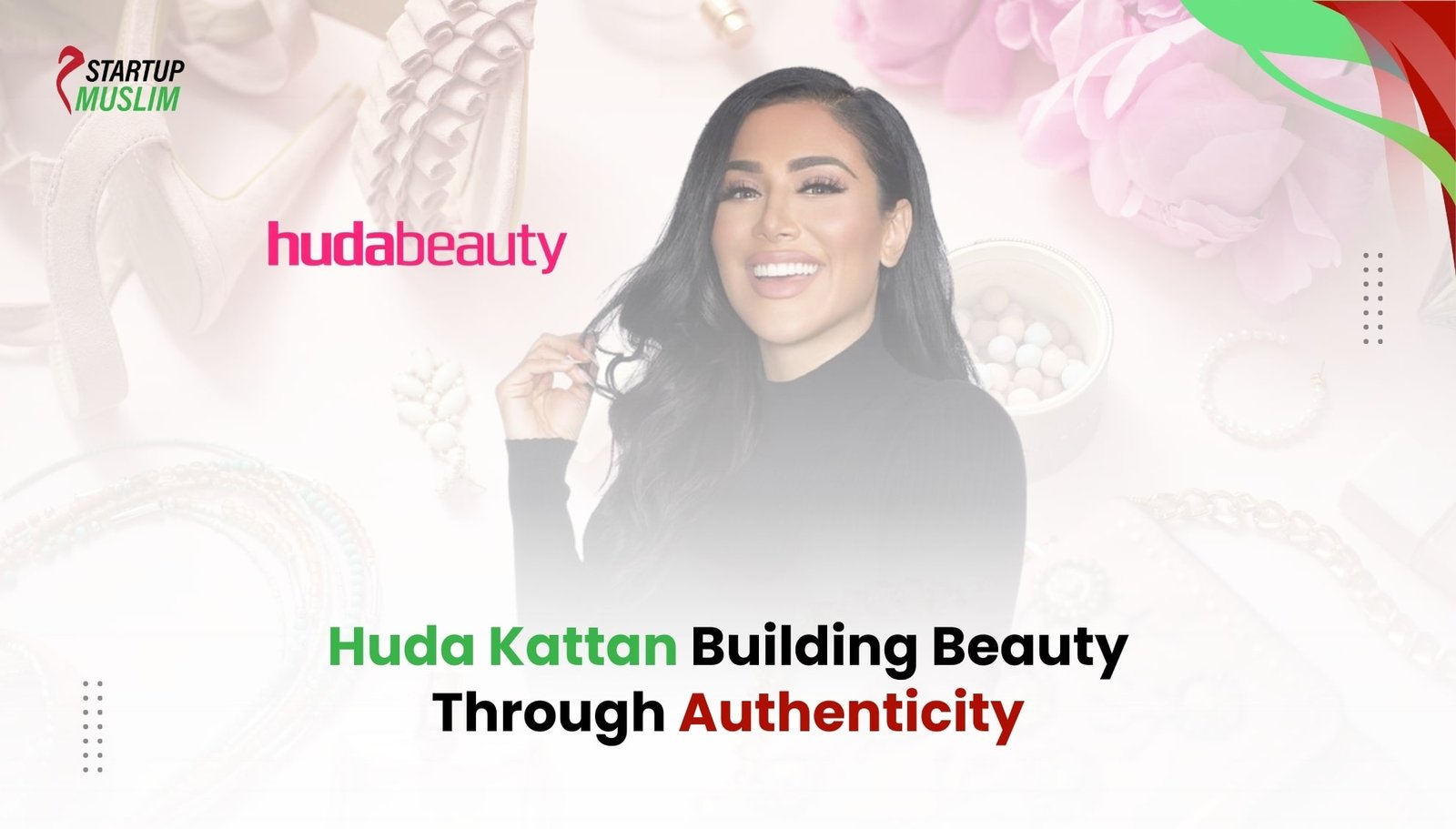
Huda Kattan: Building Beauty Through Authenticity
Huda Kattan didn’t start with factories or funding. She started with honesty.
From beauty blogging to launching Huda Beauty, her rise shows how understanding your audience deeply can outperform massive budgets.
She didn’t chase trends blindly. She listened. Closely.
Key takeaways:
- Authenticity scales better than imitation
- Community feedback is a growth engine
- Personal voice builds brand trust
Many successful Muslim founders underestimate this: people don’t just buy products, they buy sincerity.
Mohamed Alabbar: Vision at a City Scale
As the founder of Emaar Properties, Mohamed Alabbar didn’t just build structures. He built symbols.
Burj Khalifa wasn’t about height alone. It was about belief in long-term vision.
While others focused on quick returns, he thought decades ahead.
That’s one of the strongest Muslim founder strategies, zooming out when everyone else is zoomed in.
Lessons worth noting:
- Vision must outlive trends
- Infrastructure shapes identity
- Legacy thinking changes decisions

Salman Khan: Education Before Ego
Salman Khan didn’t set out to disrupt education globally. He just wanted to help his cousins understand math. That humility never left.
Khan Academy grew because the mission stayed simple: free, quality education for everyone. No paywalls. No prestige obsession. Just impact. This is the Muslim entrepreneurial mindset at its best, service first, scale second.
More Muslim Founders Worth Paying Attention To
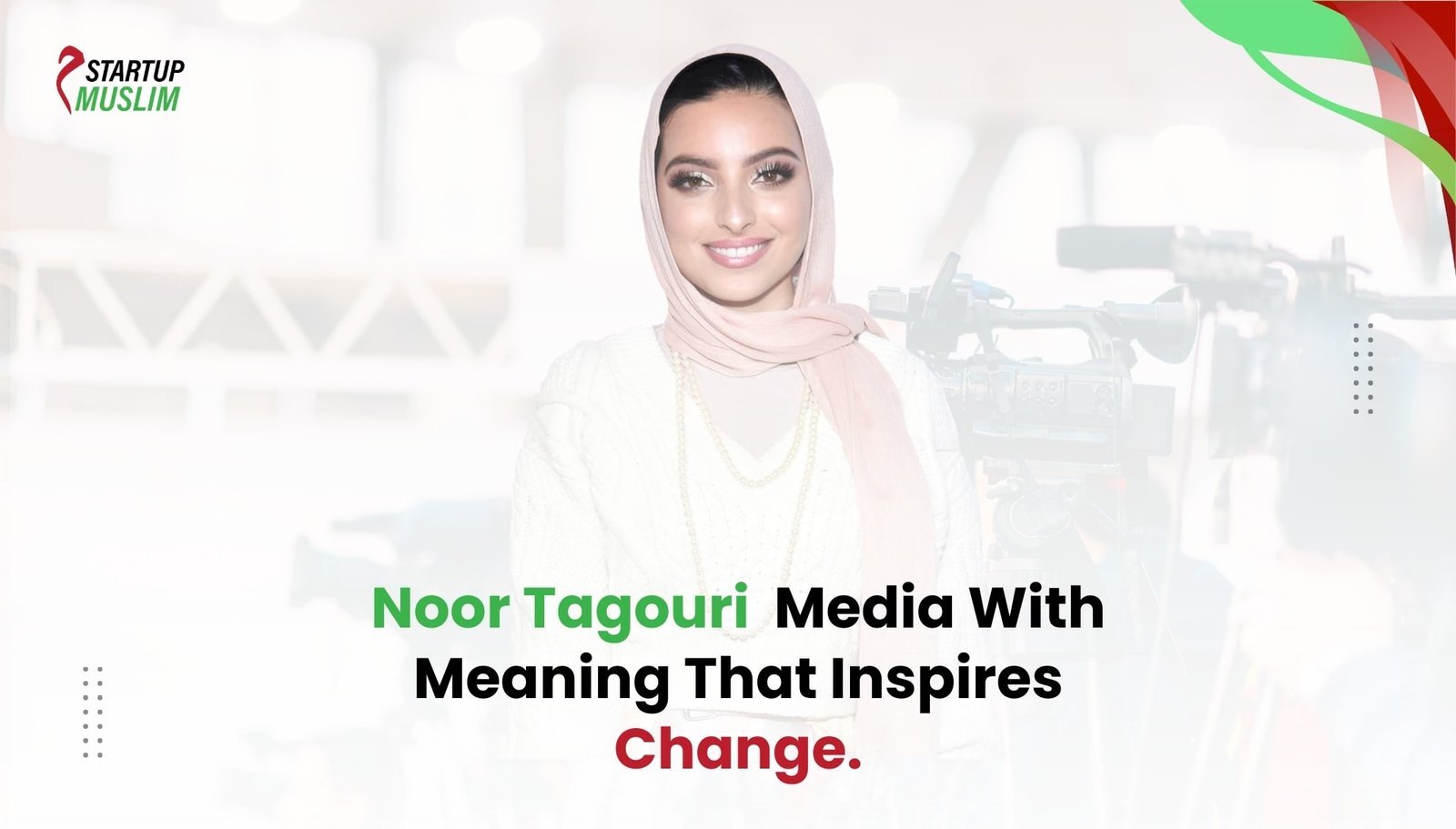
Noor Tagouri: Media With Meaning
Noor Tagouri’s work proves that storytelling is leadership.
Through journalism and media production, she amplifies voices that are often ignored. Her success shows that purpose-driven content can still be commercially viable.
A powerful reminder: not all businesses sell products, some sell perspective.
Farhan Masood: Technology That Solves Real Problems
In fintech and payments, Farhan Masood focused on efficiency and access. His work demonstrates how solving practical problems at scale creates global relevance.
One of the quieter but stronger Muslim founder strategies, build tools people actually need.

Core Muslim Entrepreneur Lessons You Can’t Ignore
1. Purpose Fuels Endurance
Money motivates. Purpose sustains.
When things get hard, and they will, it’s the mission that keeps founders moving.
Every successful Muslim founder seems to anchor their work to something bigger than profit.
2. Resilience Is a Spiritual Skill
Failure isn’t just a business challenge. It’s an emotional one.
Concepts like sabr (patience) and tawakkul (trust) aren’t abstract ideas, they’re survival tools.
Many success stories Muslim entrepreneurs include long stretches of uncertainty no one talks about.
3. Community Beats Lone-Wolf Thinking
Isolation burns founders out. The community carries them forward.
Whether through mentorship, partnerships, or social impact, Muslim entrepreneurs often grow faster, and healthier, together.
4. Solve Real Problems, Not Hypothetical Ones
Ideas sound exciting. Problems create businesses. From education gaps to beauty inclusivity to urban planning, the most impactful founders focused on real pain points.
This is one of those top Muslim business insights that never gets old.
5. Ethics Are Not Optional Extras
Ethical shortcuts cost more in the long run. Transparency. Fair wages. Honest marketing.
These aren’t “nice-to-haves.” They’re strategic advantages. True Islamic business leadership proves this again and again.
Practical Ways to Apply These Insights Today
Clarify Your “Why” Early
Ask hard questions:
- Who does this help?
- What problem am I truly solving?
- Would this still matter if growth slowed?
Clarity prevents burnout.
Build Systems, Not Just Hustle
Discipline outperforms motivation. Ethical systems, feedback loops, and learning habits support long-term success, something every successful Muslim founder eventually learns.
Stay Teachable
The strongest founders stay students. Markets shift. People change. What worked yesterday may not work tomorrow. Adaptability is part of the Muslim entrepreneurial mindset.
Give Back Without Waiting to “Make It”
You don’t need millions to mentor, teach, or support others. Contribution builds meaning early, not just at the end.
Conclusion: Success With a Soul
The stories of successful Muslim founders remind us that business doesn’t have to feel empty to be effective. It can be principled. It can be compassionate. It can be deeply human.
These leaders didn’t choose between faith and ambition. They integrated both.
By learning from Muslim entrepreneur lessons, reflecting on success stories Muslim entrepreneurs, and applying top Muslim business insights, aspiring founders can build ventures that don’t just grow, but endure.
Because in the end, success isn’t just what you build. It’s what you leave behind.
👉🏻Every industry. Every stage!!
Showcase your Muslim-owned business to a global network of founders, investors, and customers. Apply on Startup Muslim.
Frequently Asked Questions (FAQs)
1)What makes successful Muslim founders different?
They blend faith, ethics, and purpose with ambition, focusing on long-term impact over short-term gains.
2) Can non-Muslims benefit from their lessons?
Yes; principles like integrity, resilience, community, and ethical leadership apply universally.
3) How does Islamic business leadership influence decisions?
It promotes fairness, transparency, and social responsibility, building trust and sustainable growth.
4) Which industries do successful Muslim entrepreneurs come from?
They span tech, education, beauty, real estate, media, fintech, and social enterprises.
5) How can aspiring founders develop a Muslim entrepreneurial mindset?
Focus on purpose, patience, continuous learning, ethical consistency, and giving back.