



How Muslim Owned Businesses Build Strong Community

In many neighborhoods across the world, some businesses do more than sell things. They listen. They remember names. They show up when it matters.
This is especially true for Muslim owned businesses, which often grow side by side with the communities around them. From small family grocery stores to modern startups and online brands, these businesses are rarely just about profit. They’re about people, responsibility, and staying grounded.
Not perfectly. But sincerely. This piece looks at how these businesses build strong community connections, why it works, and why it still matters so much today.
Faith, Values, and a Sense of Responsibility
Most Muslim entrepreneurs don’t separate faith from work. It shows up quietly, in daily decisions.
Business as a Trust, Not Just a Deal
In Islam, earning a living is encouraged. But it’s not a free-for-all. Work is considered an amanah, a trust. That idea alone changes how many owners approach business.
Instead of asking, How much can I get away with? the question becomes, What’s the right thing to do here?
Because of that, many Muslim owned businesses place real emphasis on fairness, honesty, and transparency. Even when it’s inconvenient. Even when no one is checking.
Islamic Business Ethics in Real Life
Islamic business ethics aren’t abstract theories. They’re practical, everyday guidelines. Things like:
- Fair pricing
- Honest advertising
- Respecting employees
- Keeping promises
So a clothing brand might be upfront about fabric quality instead of overselling. A service provider may turn down work they can’t deliver properly, even if it costs them.
Small choices. Big impact. Over time, people notice the difference.
Growing Within the Muslim Business Community
Strong businesses don’t grow in isolation.
Shared Roots, Shared Growth
Many entrepreneurs serve the same neighborhoods they grew up in. Customers aren’t strangers. They’re classmates, relatives, friends of friends. That changes the dynamic.
Being part of the Muslim business community often means supporting each other through:
- Referrals
- Collaborations
- Mentorship
- Shared resources
When one business grows, others feel it too. Success circulates.
Community-Focused Muslim Companies in Action
Community-focused Muslim companies often invest directly back into their surroundings. Not always loudly. Sometimes quietly.
They might sponsor local events, support mosques or schools, offer student discounts, or hire locally. A café near a mosque may stay open late during Ramadan. Another might offer free dates and water at iftar.
These gestures aren’t huge on paper.
But they’re remembered.
Putting People Before Products
Ask customers why they keep coming back, and the answer usually isn’t just price.
Listening First, Selling Later
Many Muslim local businesses take a slower approach. They listen. They adjust. They remember feedback.
A halal food brand might add healthier options after customers raise concerns. A bookstore might stock titles people actually ask for instead of chasing trends.
That kind of responsiveness builds trust quickly.
Familiar, Comfortable Spaces
Shared language, cultural understanding, and values make interactions easier. Customers don’t feel like they have to explain themselves.
A shop becomes more than a shop.It becomes familiar. Safe. And that feeling keeps people coming back.
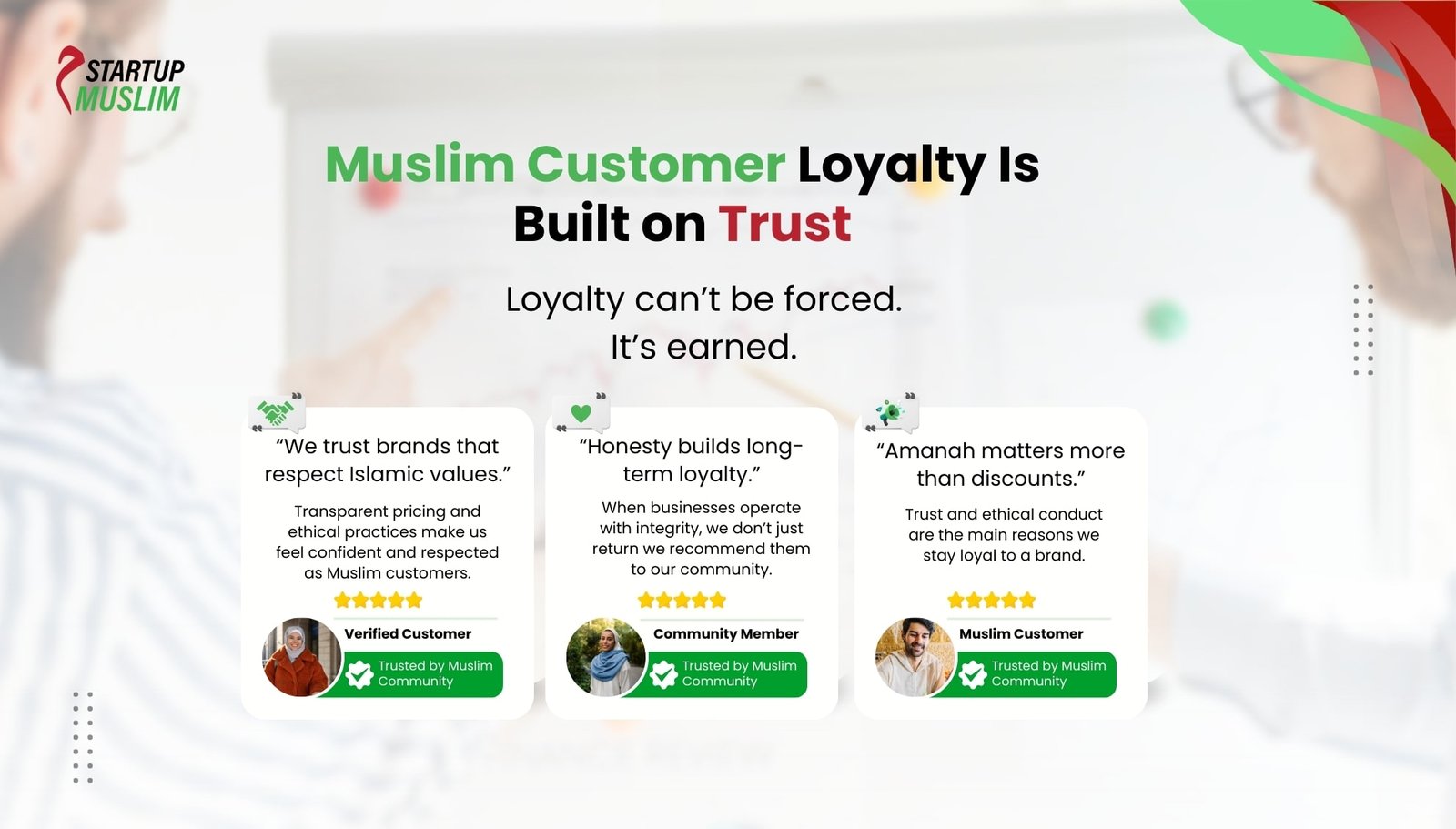
Muslim Customer Loyalty Is Built on Trust
Loyalty can’t be forced. It’s earned.
Why Trust Beats Marketing
Flashy ads might grab attention, but trust keeps it. When customers know a business won’t mislead them, won’t compromise halal standards, and won’t overcharge them, loyalty forms naturally.
This is how Muslim owned businesses often build long-term relationships instead of chasing one-time sales.
Consistency matters more than perfection.
The Power of Word of Mouth
In close-knit communities, news travels fast. Good experiences are shared at family dinners, community gatherings, even after Friday prayers. So are bad ones.
That’s why many owners go the extra mile. Not because it’s strategic, but because reputation and relationships matter deeply.
Social Impact Muslim Brands and Giving Back
Giving isn’t optional in Islam. It’s expected.
Zakat, Charity, and Purpose
Many businesses plan zakat and charity into their finances. Some donate profits. Others give through services, goods, or time.
Social impact Muslim brands often focus on:
- Education initiatives
- Food distribution
- Emergency relief
- Job creation
A tech startup might offer free skills training. A clothing brand may donate winter wear. A restaurant might feed people quietly, no cameras involved.
Purpose shows. People feel it.
Why Purpose Strengthens Loyalty
When customers know a brand stands for something meaningful, supporting it feels personal. Almost shared.
Purpose creates emotional connection. And emotional connection lasts longer than discounts.
Community Building in Digital Spaces
Community doesn’t only exist offline anymore.
Staying Connected Online
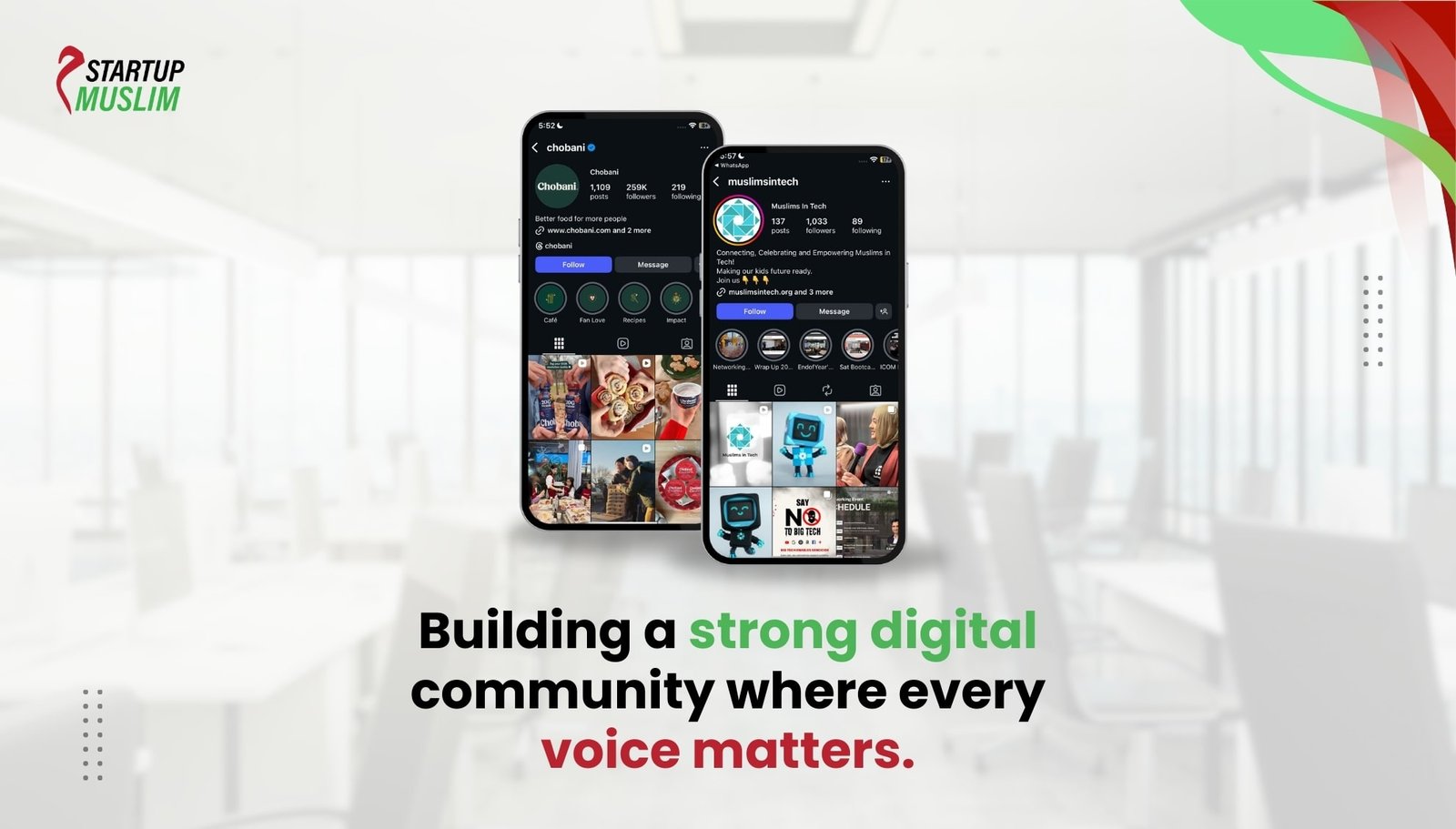
Many Muslim businesses use social media for more than sales. They share reminders, behind-the-scenes moments, customer stories, and community updates.
It makes people feel included. Like they’re part of the journey, not just buyers.
Values Still Matter Online
Online or offline, the same principles apply. Honest descriptions, fair policies, respectful communication.
Brands that stay consistent with their Muslim business values online tend to stand out, especially in crowded markets where trust is rare.
Challenges Along the Way
Building community isn’t easy. It never has been.
Faith vs. Market Pressure
There’s pressure to compromise. Cut corners. Follow trends that don’t align with values.
But many Muslim owned businesses choose long-term trust over short-term wins. It’s slower. Sometimes harder. Often worth it.
Facing Bias and Misunderstanding
Muslim entrepreneurs still face stereotypes. Instead of arguing, many respond through excellence. Good service. Ethical practices. Consistency.
Sometimes, the best response is simply doing good work.
The Long-Term Impact of Community Connections
When businesses invest in people, the effects ripple outward.
Economic Growth With Stability
Strong community ties create jobs, keep money circulating locally, and provide support during hard times. Neighborhoods become more resilient. Everyone benefits.
Inspiring the Next Generation
Young people watching ethical businesses succeed learn something important: you don’t have to lose your values to succeed.
That lesson sticks. This is how Muslim owned businesses shape not just markets, but mindsets too.
👉🏻Muslim-owned. Purpose-driven. Growing!!
Feature your business on Startup Muslim, increase visibility, and strengthen trust. Apply now.
Frequently Asked Questions
1. Why do Muslim businesses emphasize community so much?
Because Islamic teachings stress responsibility, fairness, and care for others. Business is part of social life, not separate from it.
2. How do Islamic business ethics affect customers?
They encourage honesty and transparency, which naturally builds trust and long-term relationships.
3. Are community-focused Muslim companies always small?
No. While many are small or medium-sized, larger brands can also be deeply community-focused through ethical practices and social initiatives.
4. How can people support Muslim local businesses?
Shop consciously, share good experiences, and engage respectfully, online and offline.
5. Do social impact Muslim brands sacrifice profit?
Not necessarily. Many find that purpose strengthens loyalty, which supports sustainable growth over time.