





Best Online Marketplaces for Muslim Owned Brands

The online shopping world has changed a lot in the last decade. For Muslim consumers and creators, that change brought more choice, easier access to modest fashion, halal food, faith-based goods, and many services tailored to Muslim lifestyles. In this guide I’ll walk you through the best destinations to discover and buy from ethical, faith-aligned sellers , whether you want modest clothing, halal groceries, or small-business gifts. I’ll also explain how to choose platforms, what to look for when buying halal or modest items, and practical tips for supporting Muslim entrepreneurs.
Muslim-owned brands appear throughout this article as the businesses these marketplaces uplift , small labels, independent designers, and family-run shops that often combine faith, culture, and commerce.
Why dedicated marketplaces matter
The value of community-focused platforms
General marketplaces (big global platforms) are powerful, but specialized platforms , the Muslim marketplaces online , create space for products that meet specific religious, cultural, and ethical requirements. These sites make discovery easier: you don’t have to sift through thousands of unrelated listings to find modest outfits, halal groceries, or Islamic homeware.
Trust, certification and curation
Many shoppers want halal product marketplaces that verify origin and ingredients, or at least curate vendors who understand halal practice. That curation builds trust , especially for food, cosmetics, or children’s items.
Top online marketplaces and platforms to buy from Muslim sellers
Below I group platforms by what they’re best at (fashion, halal food and goods, directories & multi-vendor marketplaces). For each one I give a short snapshot and why it might be a good fit.
Modest fashion hubs
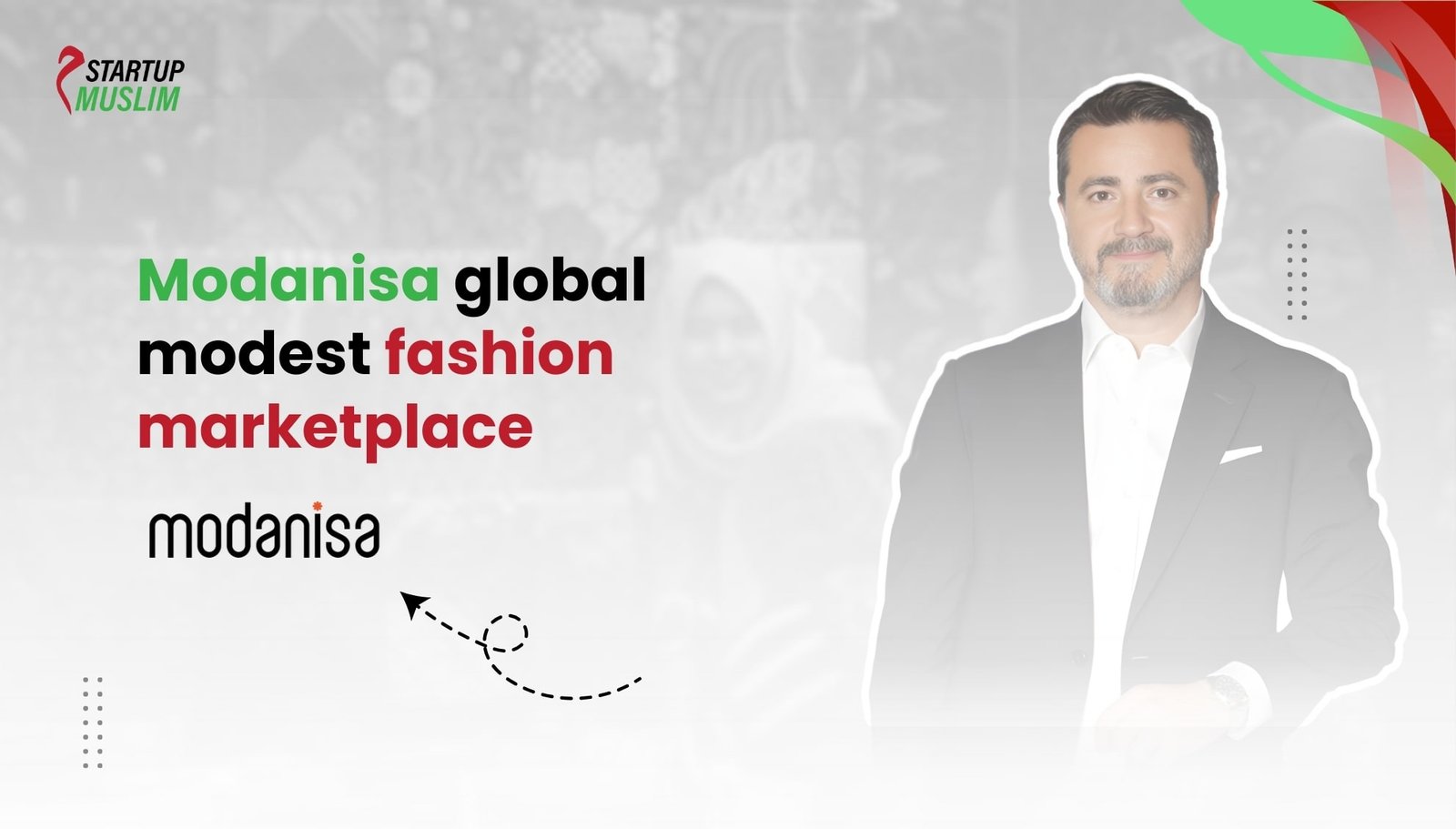
Modanisa – global modest fashion marketplace
Modanisa is one of the largest international platforms for modest women’s fashion. It hosts dozens of designers and brands, ships worldwide, and emphasizes hijab-friendly styles, abayas, and abaya gowns. If you want a single place with wide selection and global shipping, Modanisa is a go-to.
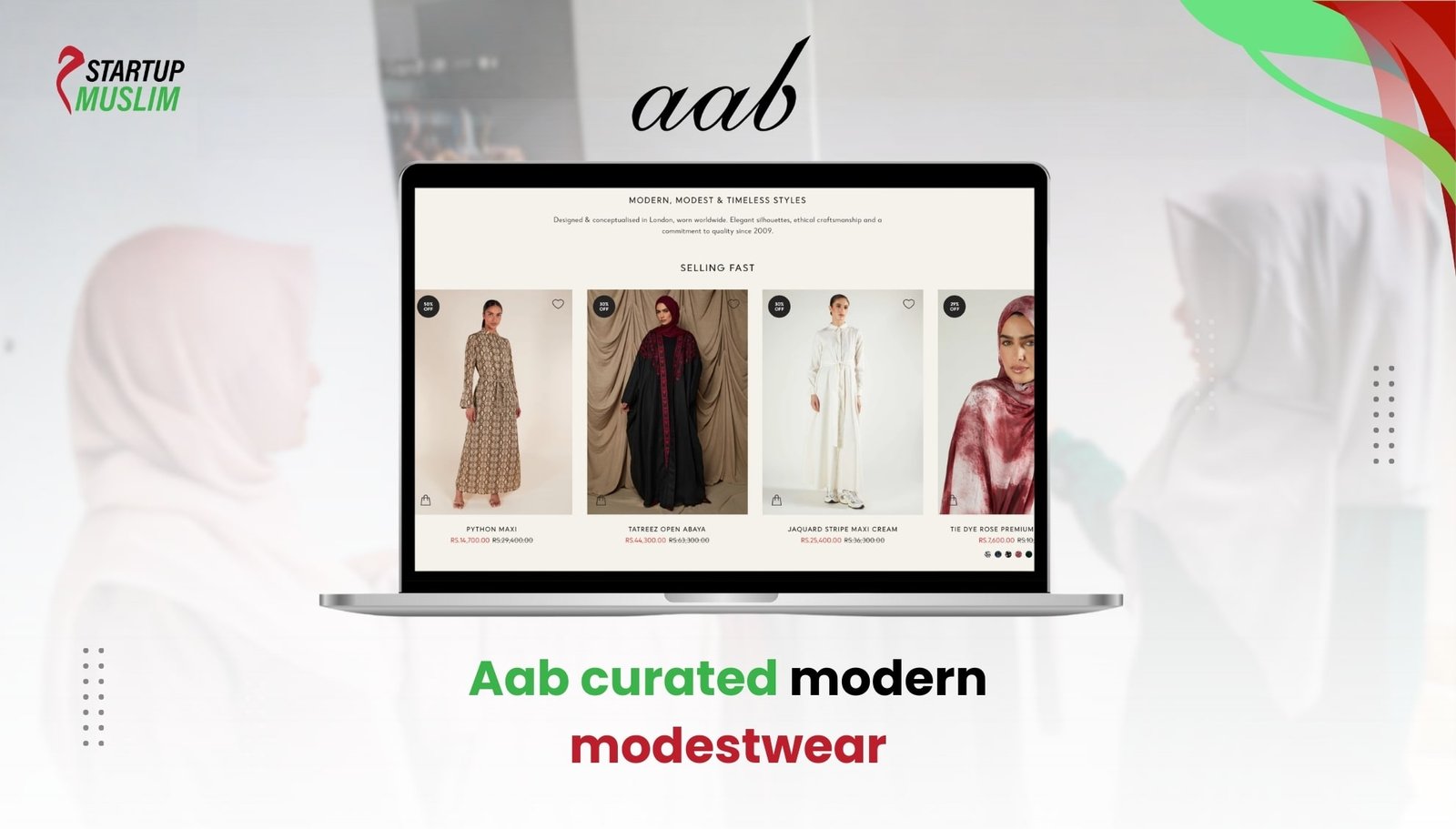
Aab – curated modern modestwear
Aab began as a UK-based modest fashion label and has grown into a recognizable name stocked by bigger retailers. Aab represents the sort of Muslim fashion brands that bridge high-street sensibilities and modest design , ideal if you want contemporary cuts that still meet modesty needs.
Halal food and grocery marketplaces
Crescent Foods and other halal-certified producers
For halal meat and grocery items in Western markets, established halal suppliers (like Crescent Foods in the U.S.) combine national distribution with halal certification and quality controls. These businesses are important if you want consistent sourcing and recognizable supply chains.
Halal-focused e-marketplaces
There are growing, region-specific halal e-marketplaces that list certified producers and halal home-delivery options. The halal e-commerce space is expanding as demand rises globally, and these platforms help centralize halal-certified sellers.
Directories and multi-vendor Muslim business platforms
MuzMarket and MuslimBazaar , directories and multi-seller marketplaces
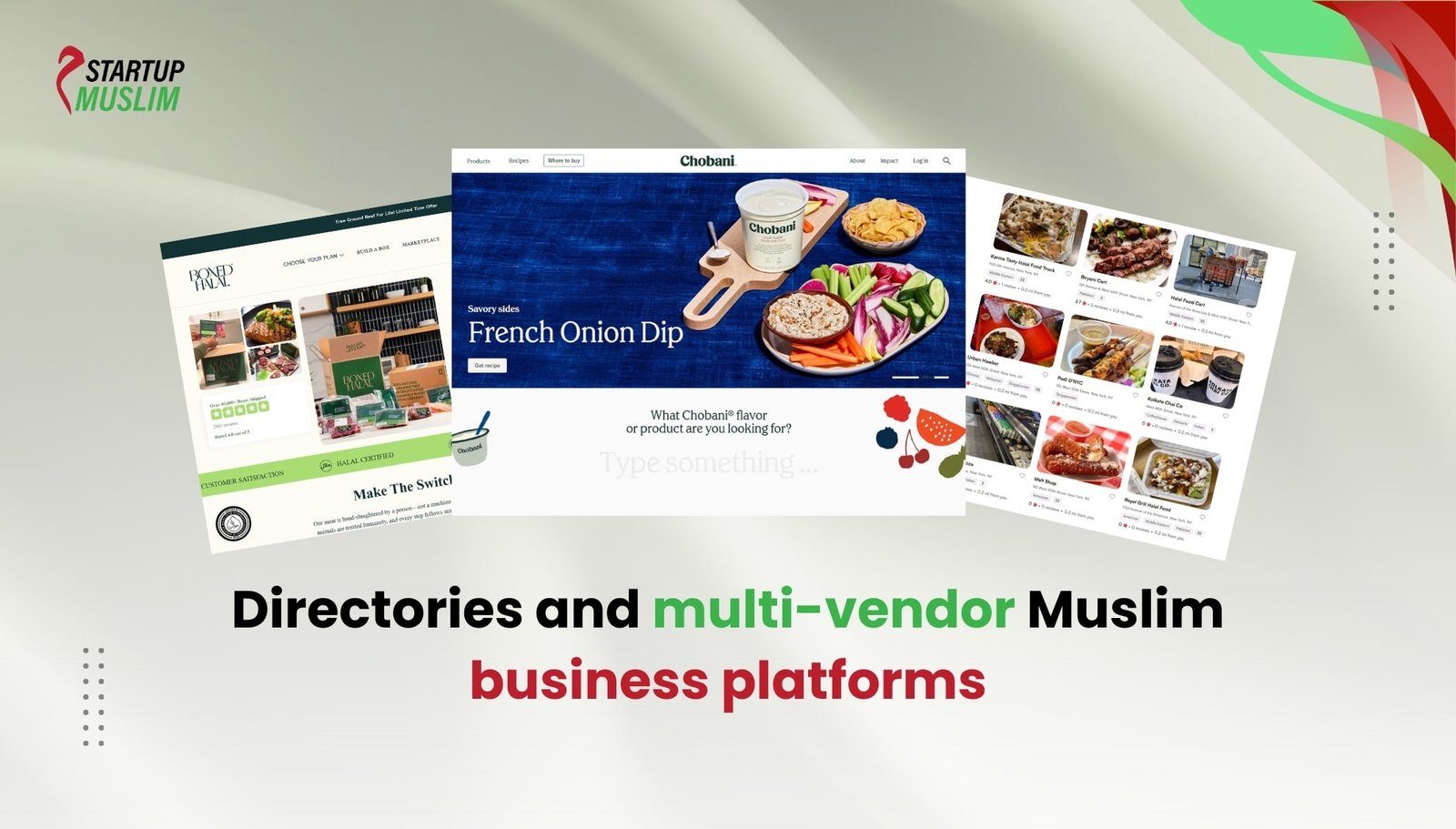
Directories and niche marketplaces such as MuzMarket help small Muslim businesses get visibility by aggregating vendors that sell halal products, modest fashion, Islamic gifts, and professional services. These are useful if you want to explore local or niche Muslim-owned brands across categories.
How to use these platforms: shopper’s playbook
1. Search with intent
Use targeted searches: “modest abaya,” “halal skincare,” or “Islamic calligraphy home decor.” On specialized Muslim shopping websites you’ll find filters that general platforms may not offer (fabric type, halal certification, modest length, prayer-friendly designs).
2. Check seller credentials
Look for vendor bios, business addresses, and customer reviews. For halal food, verify certification or ask vendors about their sourcing. For clothing, read sizing and fabric details carefully , modest cuts vary by brand.
3. Read product descriptions closely
Photos are helpful but descriptions tell the real story: lining, opacity, fabric composition, and washing instructions. Smaller Muslim-owned brands often include personal notes about design or craftsmanship , those are value adds.
4. Support verified small sellers
If the marketplace allows direct communication or custom orders, use it. Small Muslim business platforms often let you request custom tailoring, color variations, or small-batch runs , perfect for modest fashion needs.
For Muslim sellers: choosing the right marketplace
If you’re a creator or entrepreneur selling modestwear, halal foods, Islamic art, or faith-centered services, not every platform will fit your goals. Here’s how to pick one.
Marketplace fit by product type
- Fashion & textiles: platforms that specialize in modest fashion (like Modanisa) will attract targeted traffic. Listing where shoppers already search for hijabs, abayas, and modest dresses increases visibility.
- Food & consumables: halal product marketplaces or national halal distributors work best , they have supply chain knowledge and buyer trust.
- Gifts, faith-based goods, homeware: multi-vendor Muslim shopping websites and directories can help small artisans reach niche buyers.
Fees, logistics and customer service
Compare commission rates, shipping solutions, and dispute policies. Marketplaces that support international shipping, returns, and multiple payment options are preferable if you plan to scale.
Brand voice and presentation
Use high-quality photos, clear measurements, and a concise brand story. Buyers on Muslim business platforms often respond well to authenticity and transparency about materials and production.
How to identify genuinely halal and modest products online
Spotting halal products
- Certification and labeling: Look for recognized halal certification marks or clear statements about production.
- Ingredient transparency: For cosmetics and foods, ingredient lists should be complete.
- Vendor responsiveness: Sellers who answer questions about sourcing and processing are generally more trustworthy.
Spotting modest garments that actually meet needs
- Measurements and fit photos: Look for models with measurements and multiple photos (front, back, close-up).
- Fabric opacity and lining details: Many modest shoppers need opaque fabrics or lined garments , check descriptions.
- Design features: Consider neckline height, sleeve length, and hem length rather than just product titles.
The bigger picture: impact of shopping Muslim-first
Buying from Muslim-owned brands channels money directly into communities, helps preserve crafts, and supports business owners who design with cultural and religious knowledge. Choosing Muslim marketplaces online or listing your products on Islamic eCommerce platforms keeps the ecosystem thriving. Beyond commerce, these exchanges build community resilience and representation within global retail.
Practical tips for conscious shopping
- Use wishlists to collect items across several Muslim shopping websites and compare before buying.
- Read multiple reviews and watch unboxing videos if available.
- Consider local pickups or regional sellers to cut shipping costs and environmental impact.
- When in doubt, contact the seller , small Muslim business platforms usually provide quick, human responses.
Conclusion
The rise of specialized Islamic eCommerce platforms and halal product marketplaces makes it easier than ever to discover quality, ethical, and faith-aligned goods. Whether you’re buying modest wear, halal food, or culturally meaningful gifts, the platforms above (and many more emerging every year) make it simpler to connect with authentic producers. Supporting Muslim-owned brands helps small entrepreneurs scale while giving shoppers a clear way to align purchases with values.
👉🏻From startups to established brands!!
Get featured on Startup Muslim, tell your journey, and inspire others worldwide. Apply to be featured.
Frequently Asked Questions
1)How do I know a marketplace is truly Muslim-focused?
Check the vendor roster and categories; true Muslim marketplaces offer halal food, modest fashion, Islamic decor, and community features.
2) Are mainstream marketplaces like Amazon or Etsy good for Muslim-owned brands?
They offer reach but lack focused curation; many sellers use both mainstream and specialist platforms.
3) Which platform is best for modest fashion internationally?
Modanisa is popular globally; UK-based brands like Aab are also trusted. Choice depends on style, budget, and shipping.
4) How can I verify halal certification online?
Ask for the certification document or certifier’s name; reputable suppliers provide clear info and ingredient transparency.
5) I want to support small Muslim businesses, where should I start?
Use directories and marketplaces like MuzMarket, follow Muslim business platforms on social media, and subscribe to their newsletters.