





Qualities That Make Muslim Entrepreneurs Stand Out in Business


Spend enough time around real businesses, not the loud online ones but the quiet, working ones, and you’ll start noticing patterns. Some businesses don’t rely on hype. They grow slowly, keep their customers, and somehow survive rough patches better than others. A lot of Muslim-run businesses fall into this category.
That’s not a coincidence. The qualities of Muslim entrepreneurs are often shaped by faith, personal discipline, and a strong sense of right and wrong. These qualities don’t make headlines, but they build businesses that last.
Business Guided by Belief
Business Is More Than Income
For many Muslim entrepreneurs, business isn’t just a way to earn. It’s something you’re answerable for. There’s a belief that how money is earned matters just as much as how much comes in.
That mindset naturally slows reckless decisions and encourages thoughtful ones.
Islamic Business Values in Real Life
Islamic business values aren’t usually written on office walls. They show up in small moments: honest pricing, keeping promises, admitting mistakes, and not cutting corners.
These everyday choices quietly shape how a business is perceived.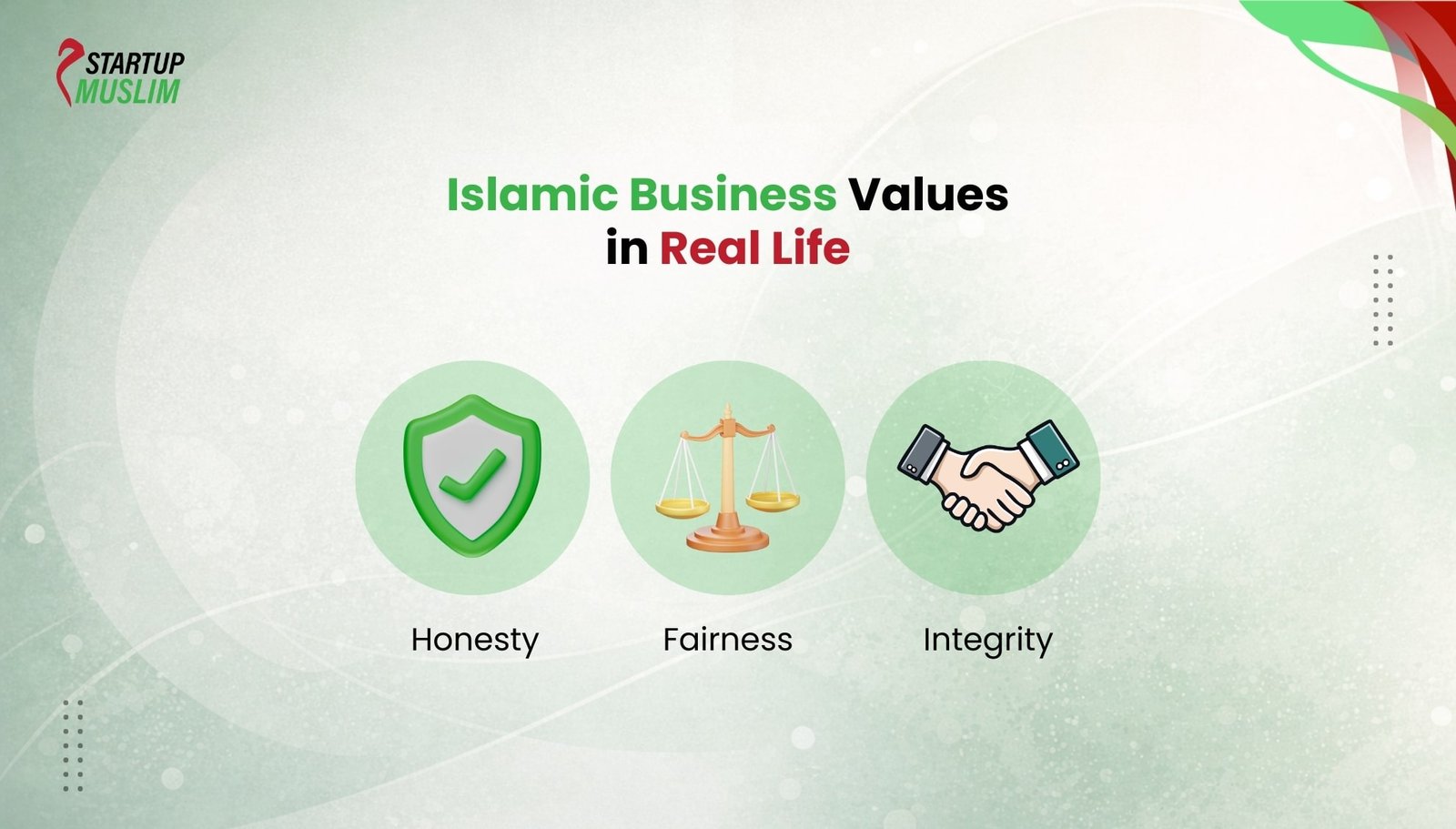
Ethics That Don’t Change With Circumstances
Muslim Business Ethics Are Consistent
One of the strongest traits of Muslim business owners is consistency. Ethical behavior isn’t switched on only when it’s convenient. It stays, even under pressure.
Customers and partners sense that stability, and they trust it.
Fair Treatment Builds Stronger Relationships
Whether it’s employees, suppliers, or clients, fairness plays a central role. Many Muslim entrepreneurs avoid practices that feel unjust, even if they’re technically allowed.
That fairness reduces conflict and builds long-term loyalty.
What Really Defines the Qualities of Muslim Entrepreneurs
Character Shows Through Actions
The qualities of Muslim entrepreneurs often appear in simple habits. Paying people on time. Speaking honestly. Showing up when it matters. These things don’t feel dramatic, but they create strong reputations.
Inner Accountability Matters
Instead of relying on fear of penalties or public opinion, many Muslim entrepreneurs are guided by internal accountability. There’s a sense of responsibility that doesn’t disappear when no one’s watching. That inner check keeps businesses grounded.
The Muslim Entrepreneurial Mindset
Patience Is Part of the Process
The Muslim entrepreneurial mindset values patience. Growth doesn’t have to be rushed, and mistakes don’t mean failure. This mindset helps entrepreneurs stay steady when results are slow.
Effort Without Obsession
Hard work is expected, but outcomes are left to God. That balance reduces panic-driven decisions and keeps ethics intact. It’s a calmer way to build something meaningful.
Leadership That Feels Grounded
Islamic Leadership Qualities in Practice
Islamic leadership qualities focus on service, not control. Leaders are expected to support, guide, and protect the people they’re responsible for. This creates workplaces where people feel respected rather than replaceable.
Owning Decisions
When things go wrong, many Muslim entrepreneurs take responsibility instead of shifting blame. That honesty earns trust from teams and partners alike.
Integrity as a Quiet Strength
Honest Communication
Over-promising might sell fast, but honesty keeps customers. Many Muslim entrepreneurs are careful with claims and transparent in communication. That honesty strengthens brand credibility over time.
Trust Builds Loyalty
When customers feel treated fairly, they come back. They recommend the business. They stick around during tough times. This is one of the overlooked strengths of Muslim entrepreneurs.
Community Is Part of the Business
Success Isn’t Just Personal
Many Muslim entrepreneurs feel connected to their communities. Hiring locally, supporting families, and giving back where possible feels natural, not forced. This sense of shared success strengthens businesses from the inside out.
Giving Without Needing Attention
Charity and social responsibility are often quiet. There’s no need for recognition, just sincerity. That humility is deeply connected to Muslim business ethics.

Financial Discipline and Balance
Careful Use of Wealth
Money is respected, but not chased blindly. Many Muslim entrepreneurs avoid unnecessary debt and focus on steady growth. This discipline helps businesses survive downturns.
Ethical Profit Matters
Profit is important, but not at the cost of fairness. Exploitation or deception is seen as loss, not success.
Resilience During Hard Times
Faith Builds Stability
Challenges don’t disappear, but perspective helps. Faith gives many Muslim entrepreneurs emotional strength during slow periods and failures. They adjust instead of quitting.
Learning From Setbacks
Mistakes are treated as lessons. This attitude allows businesses to evolve instead of collapse.

Adapting Without Losing Values
Modern Markets, Clear Limits
Muslim entrepreneurs work in competitive industries. They adopt technology and trends, but only when they align with values. This keeps progress ethical.
Innovation With Boundaries
Not every opportunity is worth taking. Filtering decisions through ethics leads to smarter, cleaner growth.
Personal Strengths Behind the Business
Discipline and Humility
Self-discipline affects how success is handled. Humility keeps learning alive. These traits quietly shape strong leadership.
Gratitude Over Ego
Success is often met with gratitude rather than arrogance. That attitude keeps ambition healthy.
Thinking Long Term
Building a Legacy
Many Muslim entrepreneurs think beyond short-term wins. They want businesses that can be respected years later. That long-term vision influences daily choices.
Reputation Comes First
Recognition fades. Reputation stays. This belief keeps businesses focused on substance.
Why These Qualities Matter Today
In a world tired of empty promises, values stand out. The qualities of Muslim entrepreneurs align naturally with what people want now: honesty, reliability, and purpose. These businesses may not grow the fastest, but they often grow the strongest.
Conclusion: Business With Meaning
Muslim entrepreneurs show that success doesn’t require abandoning principles. Their strength comes from character, not shortcuts.
The qualities of Muslim entrepreneurs prove that when values lead, business becomes not just profitable, but meaningful.
👉🏻Are you a Muslim business owner?
Share your journey on Startup Muslim, connect with the community, and expand your reach. Apply now.
Frequently Asked Questions
1. What are the main qualities of Muslim entrepreneurs?
Integrity, patience, accountability, fairness, and strong ethical awareness are among the most common qualities of Muslim entrepreneurs.
2. How do Islamic business values influence daily business decisions?
They guide honest communication, fair pricing, ethical leadership, and responsible treatment of people.
3. What defines the Muslim entrepreneurial mindset?
It’s a balance of effort, patience, and trust in outcomes, without sacrificing ethics under pressure.
4. Are Muslim business ethics relevant in modern markets?
Yes. As trust becomes more important, ethical consistency has become a real advantage.
5. Can non-Muslims apply these principles?
Absolutely. The strengths of Muslim entrepreneurs are universal and useful for any business.