


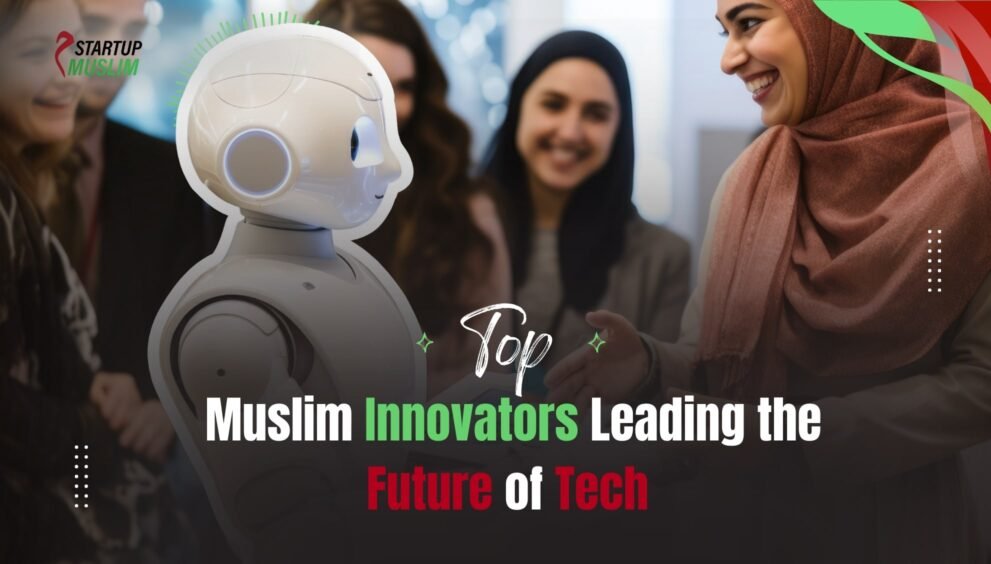
Top Muslim Innovators Leading the Future of Tech

The world of technology is being reshaped by a diverse set of minds , and Muslim innovators are among the most creative, influential and mission-driven of them. From AI and education to mobile advertising and emotion-sensing software, a new generation of Muslim tech innovators is designing products, companies and ethical frameworks that will shape how we work, learn and relate to machines.
In this post I unpack who they are, what they’ve built, and why their work matters for the future of tech , with concrete examples, data-backed milestones, and practical takeaways for founders, students, and curious readers.
Why this moment matters
Values meet engineering
What distinguishes many of these founders is how cultural values, ethical thinking and social missions are baked into product decisions , whether that’s education for all, privacy-preserving healthcare, or designing AI with human dignity at the center.
Profiles: six Muslim-led tech stories you should know
Jawed Karim – the engineer behind YouTube’s first upload
From East Germany to a global video era
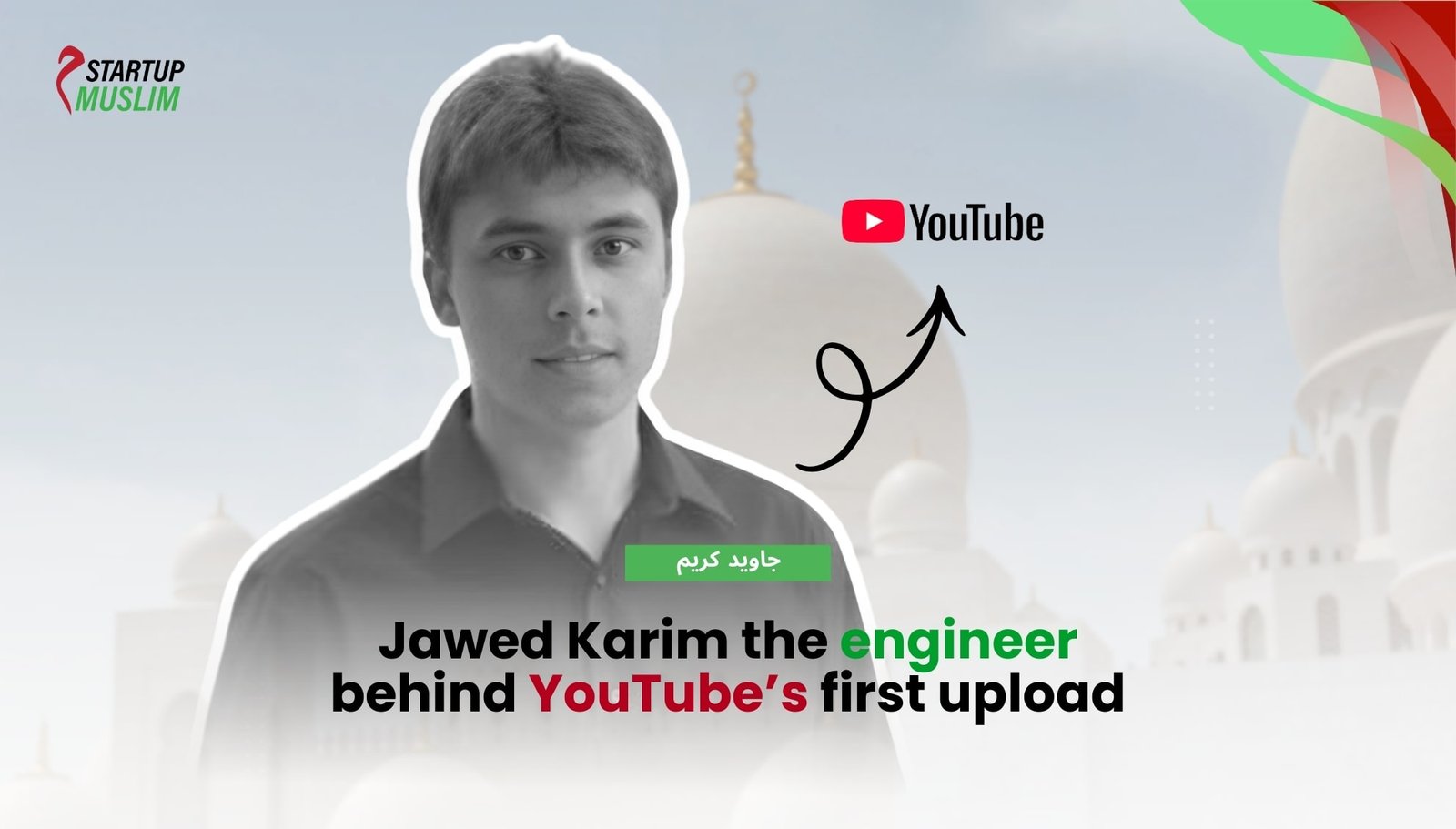
Jawed Karim, a German-American software engineer of Bangladeshi and German parentage, co-founded YouTube and uploaded the platform’s very first video, “Me at the zoo,” in April 2005. Karim’s early engineering work (including at PayPal) helped establish the technical foundations for a product that transformed how people create and consume media worldwide. His role is a reminder that engineers with immigrant and Muslim backgrounds have been quietly shaping massive global platforms.
Sal Khan – scaling education with code and compassion
Free learning for millions
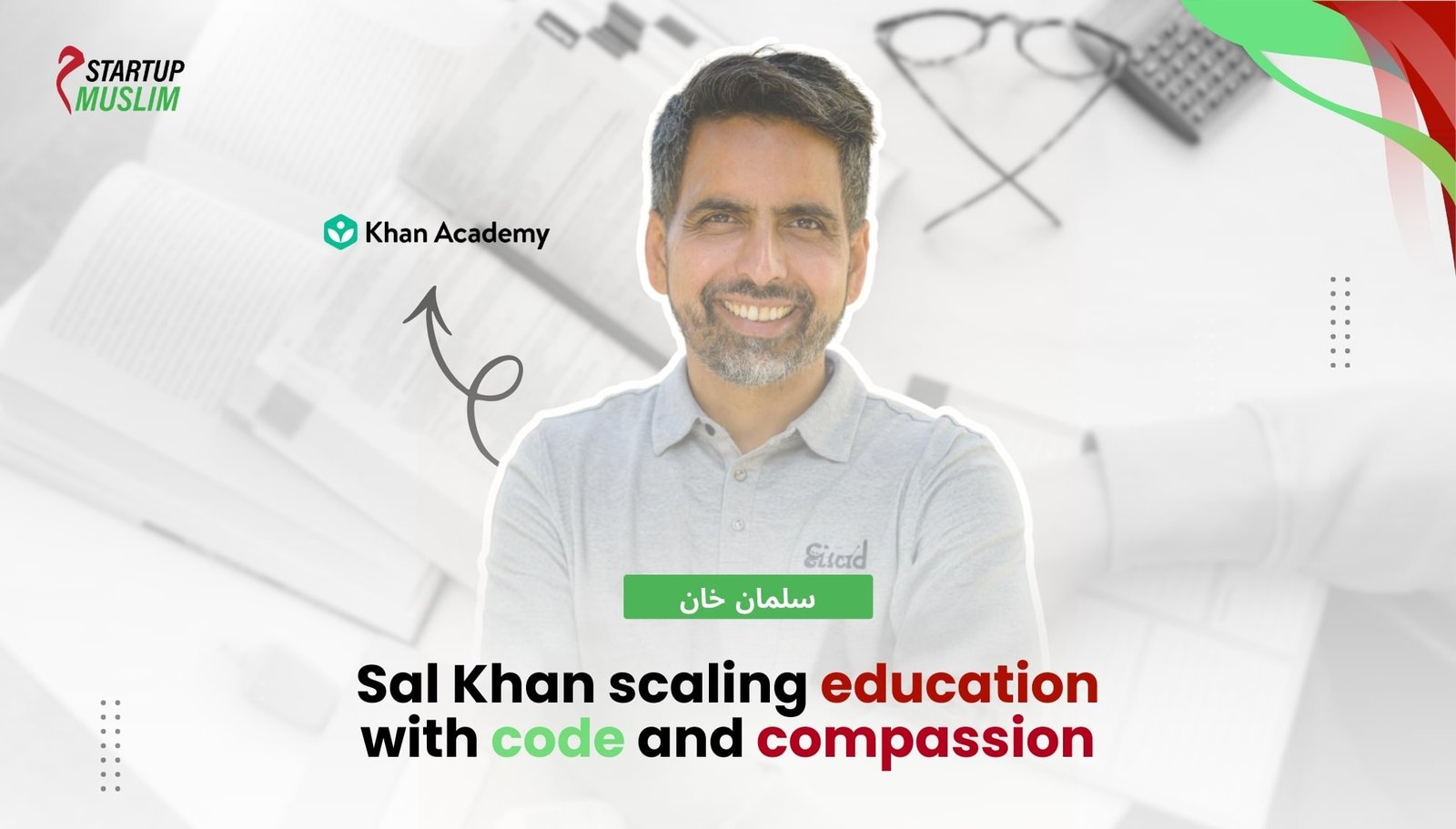
Salman “Sal” Khan founded Khan Academy to provide free, high-quality educational content online. What started as a set of YouTube tutorials evolved into a global non-profit that serves millions of learners with interactive lessons, practice exercises, and teacher tools. Khan’s work illustrates how digital products can be used to broaden access to learning at scale , a core strand of future tech that mixes pedagogy, software engineering and community design.
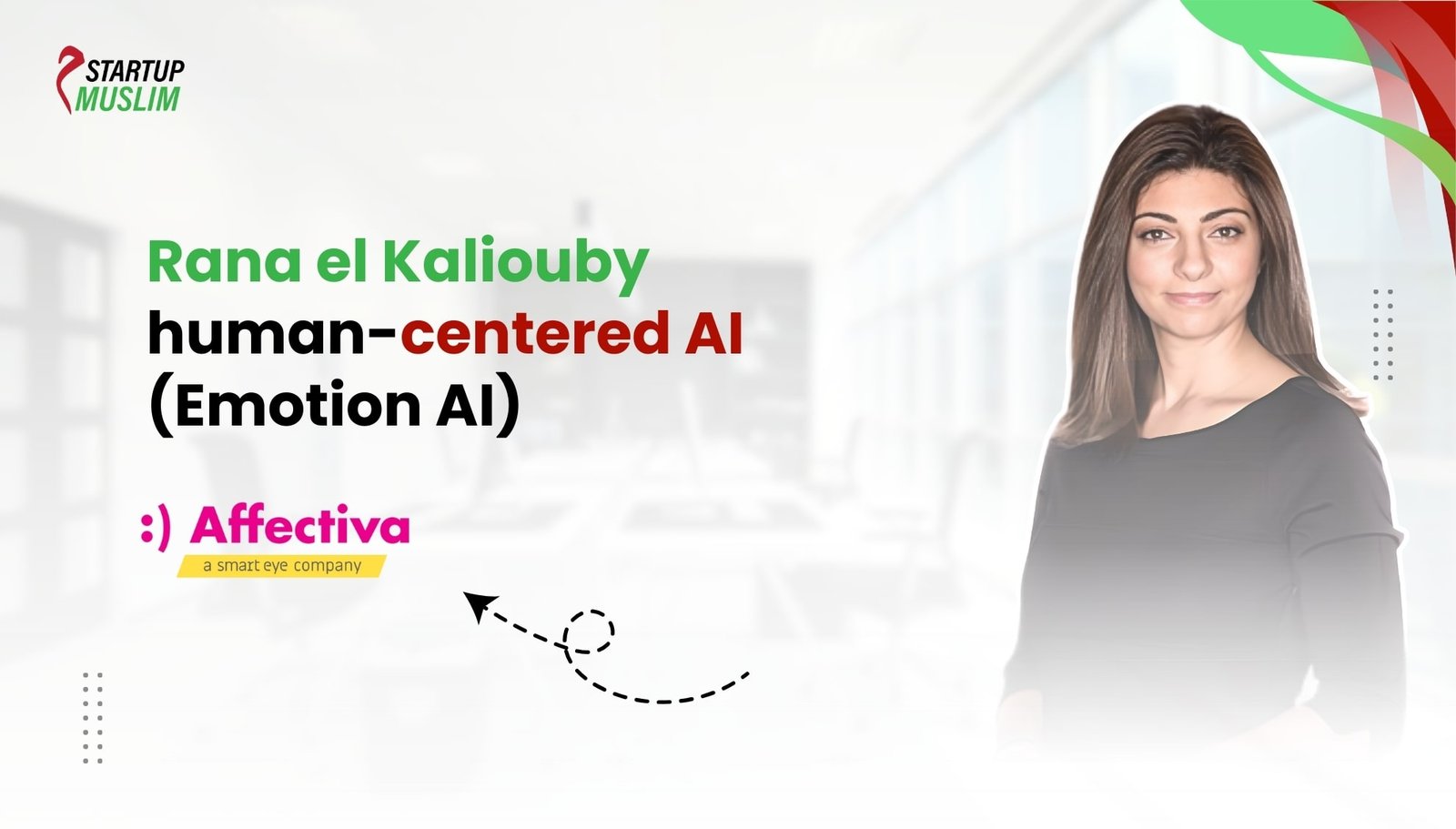
Rana el Kaliouby – human-centered AI (Emotion AI)
Building machines that understand feeling
Rana el Kaliouby, co-founder and CEO of Affectiva, has been a visible voice in emotion AI , technology that tries to detect human emotions from facial cues and other signals. An Egyptian-American computer scientist and entrepreneur, el Kaliouby pushed the field forward while arguing for ethical boundaries and human-first design. Her story shows how Muslim innovators are not only creating capabilities but also shaping the moral conversation around them.
Omar Hamoui – the mobile ads pioneer
From Wharton to a $750M Google exit
Omar Hamoui founded AdMob while at Wharton, building one of the first major mobile advertising platforms. Google acquired AdMob in 2010 for roughly $750 million — an outcome that demonstrates how founders from Muslim backgrounds have been central to the mobile and app economy’s maturation. Hamoui’s subsequent involvement in venture and philanthropy exemplifies a founder→investor path that accelerates other startups.
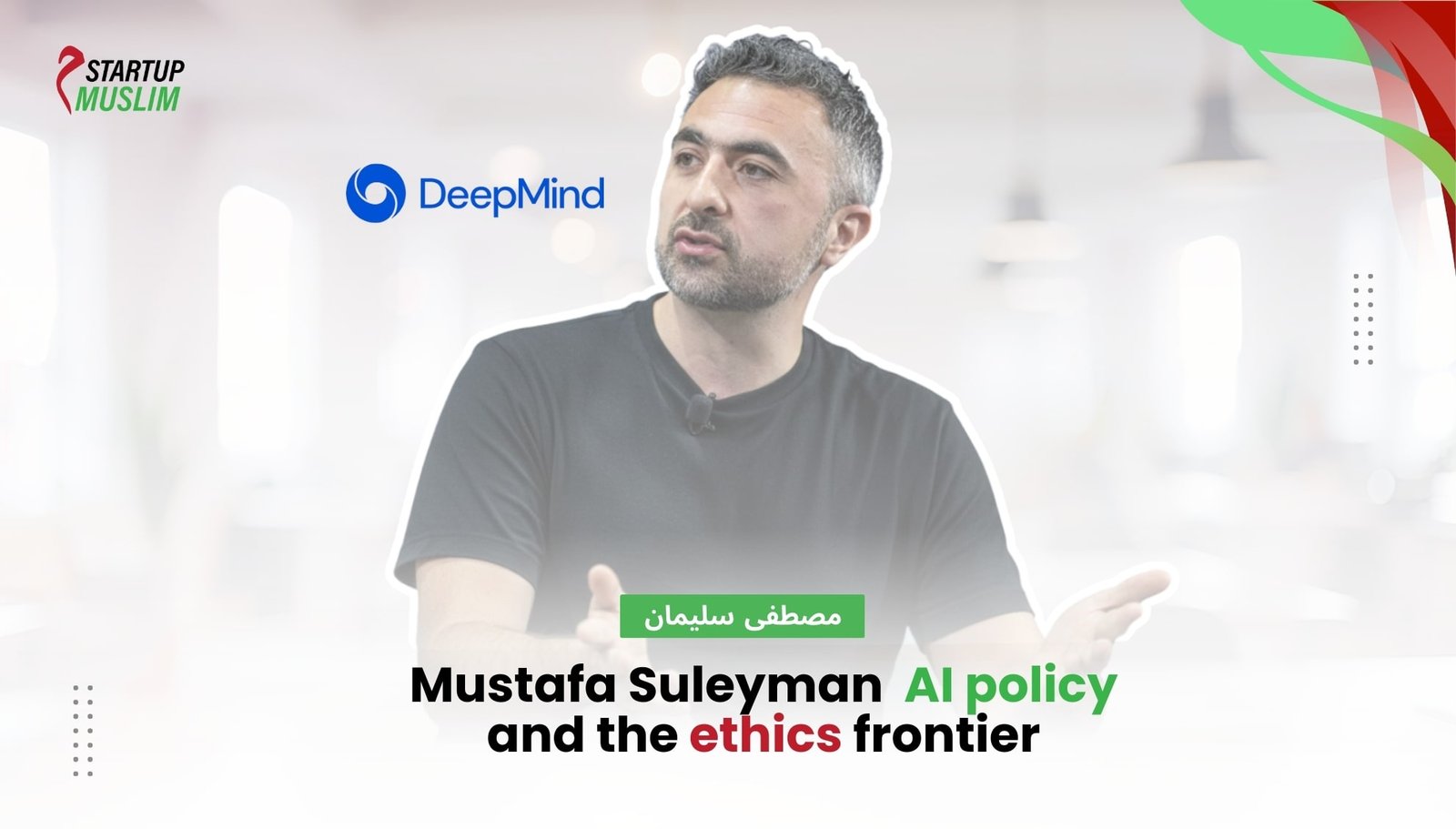
Mustafa Suleyman – AI, policy and the ethics frontier
DeepMind to Microsoft AI leadership
Mustafa Suleyman co-founded DeepMind (one of the most consequential AI labs) and later moved into consumer and policy-facing AI roles. A high-profile figure in debates about AI safety and governance, Suleyman’s career blends product strategy, ethical engagement, and efforts to steer AI toward societal benefit. His journey highlights a powerful trend: Muslim innovators are taking leadership positions at the intersection of technical capability and public responsibility.
A snapshot of promising Muslim tech entrepreneurs globally
Examples from fintech, medtech and consumer tech
Beyond the household names above, there’s a broad pipeline of founders building everything from halal fintech rails to climate-smart agritech and telemedicine platforms. Curated lists and industry roundups spotlight dozens of Muslim tech entrepreneurs who are actively shaping sectors like GenAI, fintech, and healthcare. For readers exploring founders or investment themes, these lists are a helpful starting point.
Themes shaping future tech by Muslim innovators
1. Education & democratized learning
Platforms like Khan Academy demonstrate how technology turns scarce expertise into public goods. Many Muslim innovators in edtech prioritize accessibility, multilingual content, and culturally relevant curricula , widening participation in STEM and digital skills across the Global South.
2. Ethics-first AI
From Rana el Kaliouby’s focus on human-centered affective computing to Mustafa Suleyman’s public work on AI governance, Muslim-led teams frequently surface questions about fairness, consent, and human dignity. Embedding ethics in product roadmaps is becoming a competitive differentiator.
3. Fintech & alternative financial rails
Islamic finance principles and underserved markets have generated a wave of fintech innovation , digital payment networks, Sharia-compliant investment platforms, and cross-border remittance tools. Islamic tech startups that solve practical problems for Muslim consumers are scaling quickly in regional hubs.
4. Mobile-first consumer products
Founders like Omar Hamoui show how mobile infrastructure can unlock monetization models and services at scale. Mobile-first thinking , low bandwidth, offline features, and regional payment methods , is core to many Muslim-led technology companies targeting emerging markets.
5. Health and wellbeing
From AI diagnostics to telemedicine, Muslim innovators are investing in health technologies that respect privacy and improve access. Partnerships with hospitals, universities, and NGOs are common, reflecting a mission-driven approach to product-market fit.
How they build differently: lessons from their playbooks
Start with a real local problem
Many successful teams begin by solving a concrete need , whether it’s tutoring for exam systems, mobile ad monetization for app developers, or culturally relevant financial services. Grounded product discovery keeps early teams focused and fundable.
Mix technical rigor with cultural fluency
Technical excellence matters, but so does cultural and linguistic fluency. Founders who understand the lived experience of their users can craft simple, high-impact features that competitors miss.
Fundraise with credibility and partnerships
High-profile exits and funding rounds (and curated lists of most-funded startups) show that investors are increasingly willing to back Muslim-led technology companies when founders can demonstrate unit economics and market traction.
Build ethics and compliance into the stack
Whether dealing with biometric data, educational records, or financial transactions, teams that bake privacy and regulatory compliance into products avoid costly pivots and build trust — which is especially important when serving conservative or privacy-sensitive populations.
Practical guide: if you’re a founder, student, or investor
For founders
- Validate locally, scale globally: get 100 paying users in a target market before raising big rounds.
- Document ethics decisions: include privacy and cultural safeguards in your pitch deck.
- Network intentionally: join founder communities that focus on Islamic tech, MENA startups, or diaspora founders.
For students & early engineers
- Focus on foundational skills (data structures, ML basics, cloud computing) plus domain expertise (education, healthcare, finance).
- Contribute to open-source projects; small contributions often become big introductions to hiring networks.
For investors
- Look for teams that combine technical depth with customer empathy.
- Measure traction using region-appropriate KPIs (DAU in low-bandwidth markets, revenue per active user, LTV:CAC in fintech).
The ecosystem today – signs of momentum
There are growing directories, awards, and lists that surface innovative Muslim-led technology companies and startups. These curated resources are useful for sourcing talent, partnerships, and signals of market traction. As capital and attention flow into regional hubs, we can expect more founders to move from regional success to global scale, particularly in AI, fintech, education, and health.
Risks, debates and responsibilities
Tech concentration and access
While examples of success multiply, access to capital, mentorship, and engineering talent remains uneven. Accelerators and ecosystem builders must expand beyond capitals to reach smaller cities and underrepresented groups.
Ethical complexity
Technologies like emotion AI or health diagnostics carry risks of misuse. Innovators must guard against bias, surveillance, and mission drift by partnering with clinicians, ethicists, and civil-society groups early on.
Narrative pitfalls
Not every founder from a Muslim background prioritizes religion in their work ; and not every successful Muslim founder wants to be reduced to identity-based storytelling. Celebrate achievements without flattening individual complexity.
Closing: why this matters for “the future”
Muslim tech innovators are contributing to sectors that actually matter, be it education, health, finance or Al. Their work is not confined to a single niche, instead it is spread to every domain.
Muslim tech innovators are building real, durable value across sectors that matter: education, health, finance and the ethics of AI. Their work is not a niche; it’s a major thread in the tapestry of global tech. From local Islamic tech projects to large companies run by Muslim experts, it’s clear that these innovators will help guide the next decade of technology and the habits that come with it.
👉🏻Building a Muslim-led business?
Get discovered on Startup Muslim by a values-driven global community that supports growth. Submit your application!
FAQs
1)Who counts as a “Muslim tech innovator”?
A Muslim tech innovator is someone of Muslim background building or leading tech products, companies, or research, including founders, engineers, and product leaders.
2)Are there many Muslim-led technology companies?
Yes, numbers are growing across regions, from early-stage Islamic tech startups to well-funded regional scaleups.
3)What fields are Muslim innovators focusing on?
Common areas include edtech, fintech (Sharia-compliant), health tech, AI, and mobile consumer products.
4)How can a Muslim founder get started in tech?
Start by solving a community problem, create a prototype, gather feedback, and use mentorship or accelerator programs.
5)Where can I find reliable lists of Muslim startups and founders?
Curated reports and platforms profiling Muslim entrepreneurs provide vetted companies, funding data, and sector insights.