

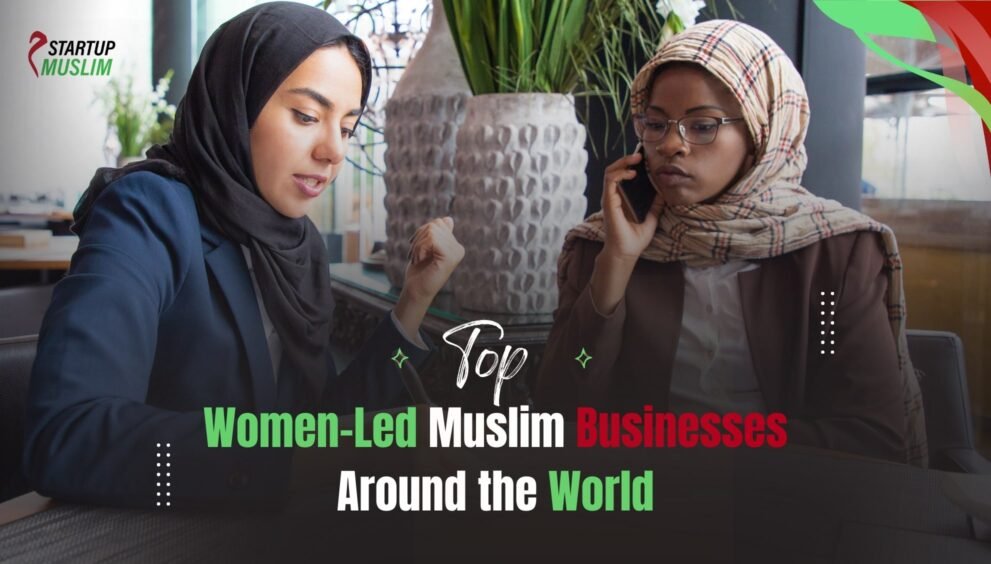
Top Muslim Women-Led Businesses Around the World

Something meaningful is happening across global business spaces, even if it doesn’t always make noise.
More and more Muslim women-led businesses are growing into trusted, respected brands without hype or shortcuts. These ventures aren’t only about revenue. They’re about identity, purpose, and long-term impact.
From fashion studios to tech startups and publishing houses, female Muslim entrepreneurs are building companies that feel personal yet scale globally, on their own terms
The Global Shift: Muslim Women Stepping Into Leadership
For years, Muslim women were spoken about more than they were listened to, especially in business. That’s changing.
Today, Muslim women CEOs are leading companies across continents. Some spotted market gaps. Others built what didn’t exist for them. Many simply refused to wait for permission.
What unites them isn’t industry or geography, but resilience, strong values, and patience. These are not overnight wins. They’re years of steady work by successful Muslim businesswomen who stayed the course.
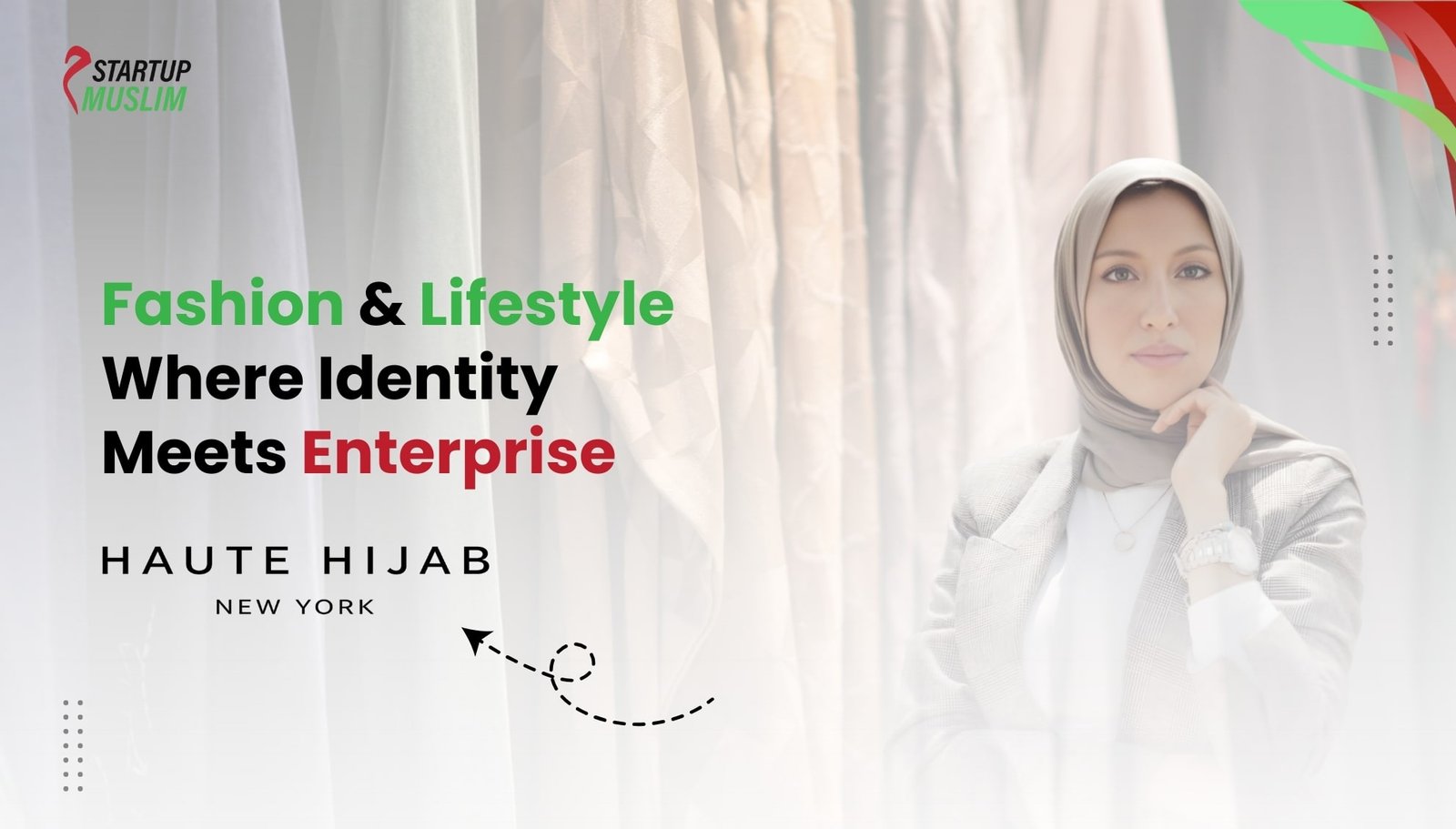
Fashion & Lifestyle: Where Identity Meets Enterprise
Haute Hijab – Melanie Elturk
- Started from a simple need: a hijab that felt modern and dignified
- Grew into one of the most recognized women-owned Muslim brands in the U.S.
- Founded by a former lawyer who embraced uncertainty
Haute Hijab’s strength isn’t just design, it’s intention. The brand speaks to Muslim women navigating faith, work, and visibility with quiet confidence.
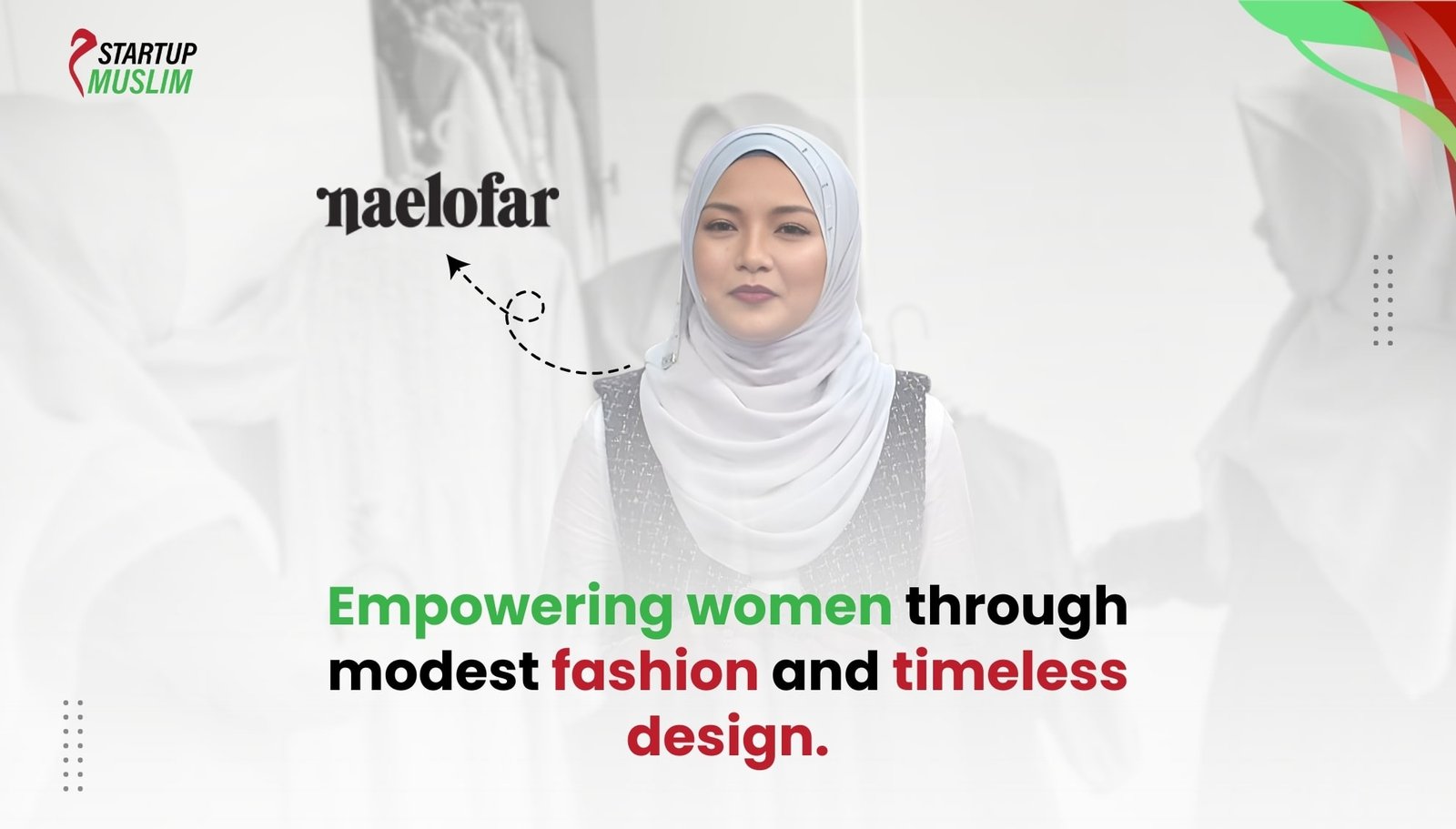
Naelofar – Neelofa
In Malaysia, modest fashion and Neelofa are almost inseparable.
- Built around premium, wearable scarves
- Expanded to dozens of countries
- Led by one of Southeast Asia’s most visible Muslim women founders
Her success didn’t follow trends. It followed consistency, discipline, and faith-based branding done right.
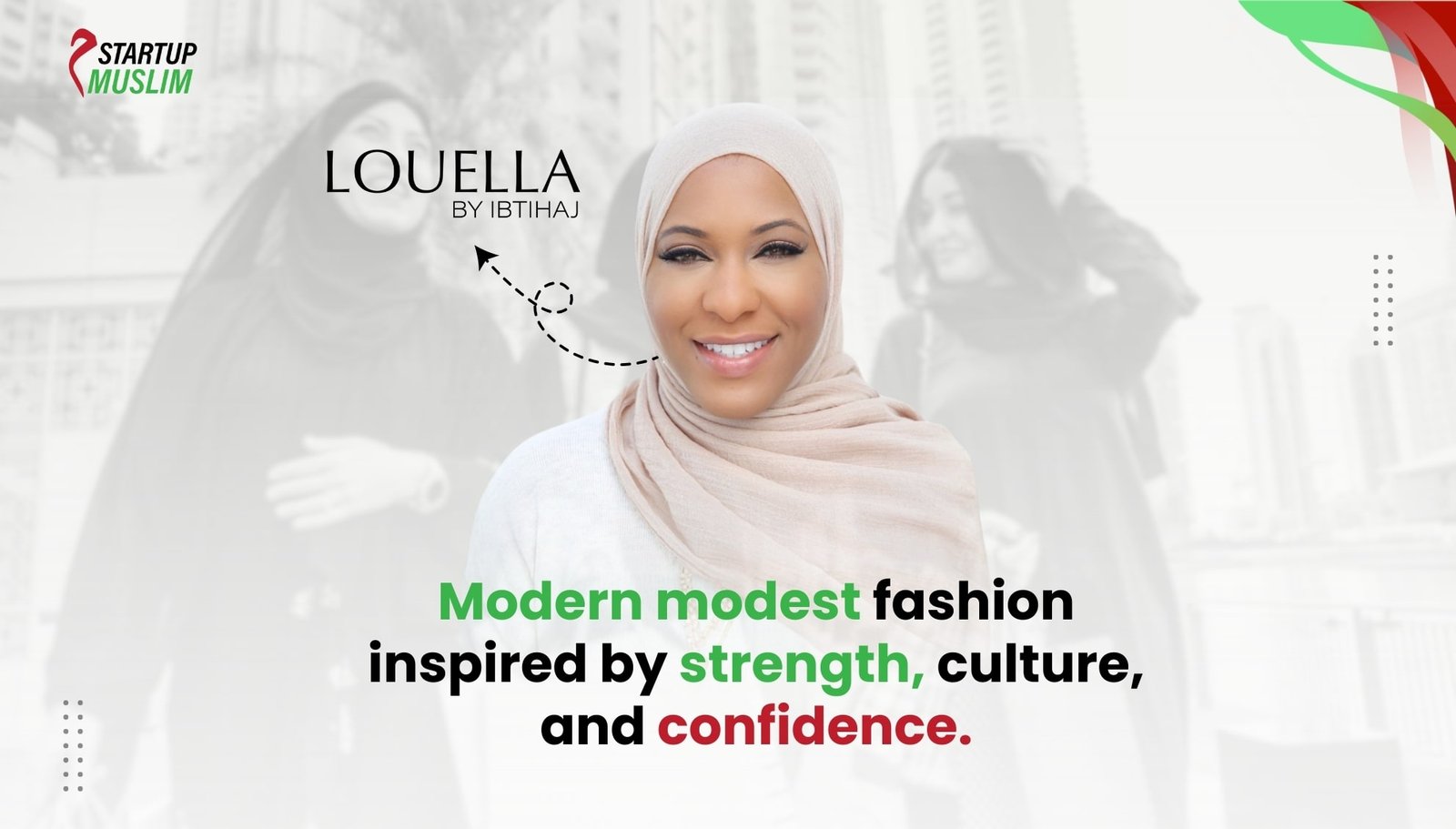
Louella by Ibtihaj – Ibtihaj Muhammad
Olympian Ibtihaj Muhammad carried her lived experience into fashion.
- Modest clothing that feels strong and unapologetic
- Designed for women who often feel “out of place” in public spaces
Louella isn’t flashy, and that’s the point. It’s thoughtful, personal, and powerful. This is how inspiring Muslim women leaders turn experience into value.
Technology & Digital Platforms: Building Where It’s Hardest
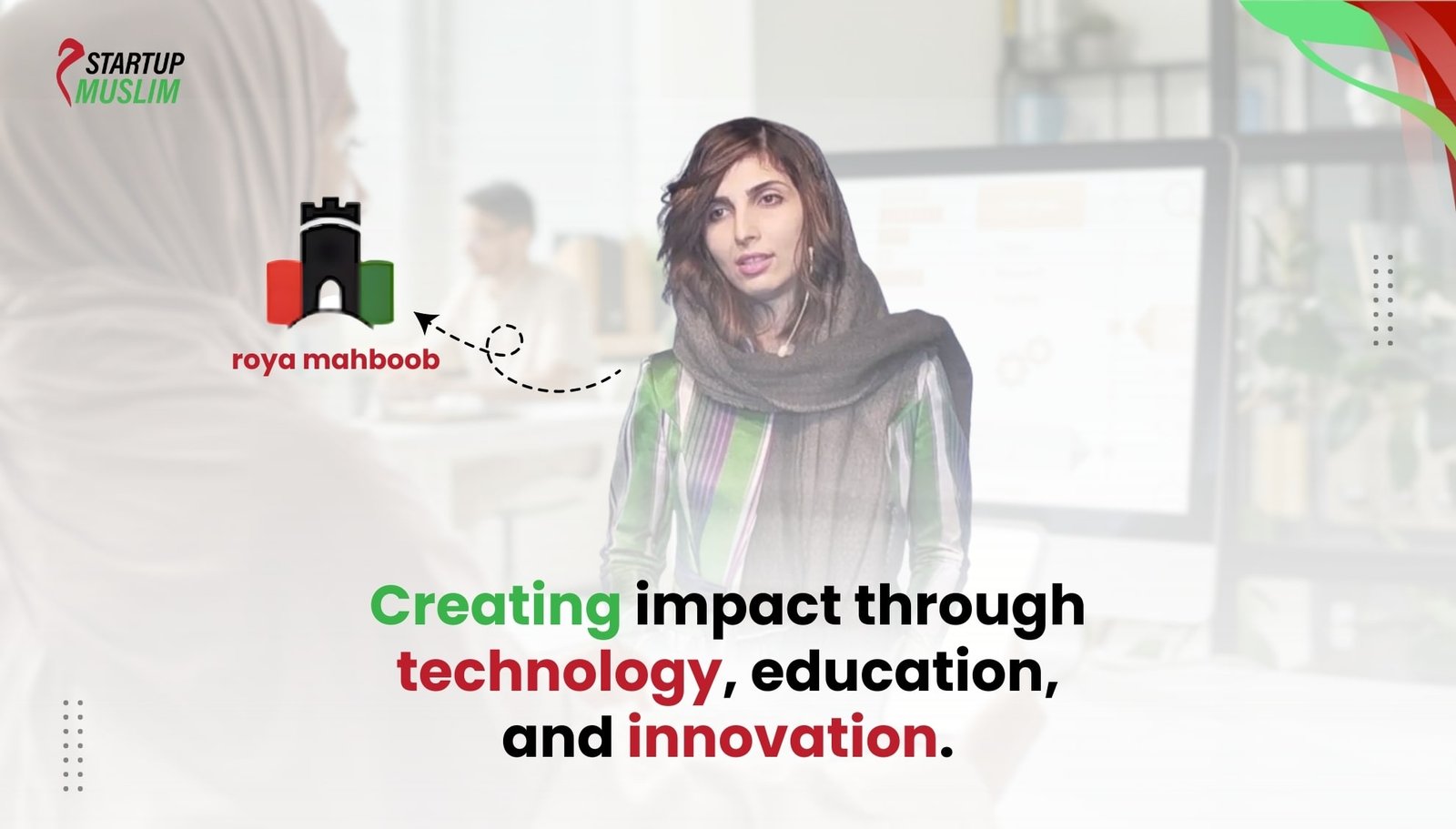
Afghan Citadel Software Company ; Roya Mahboob
Starting a tech company is hard anywhere. Doing it as a woman in Afghanistan takes rare courage.
- Founded to provide tech services and opportunities for women
- One of the earliest Muslim women CEOs in the region
Roya Mahboob’s work goes beyond profit. It’s about access, education, and showing what’s possible. Her journey proves entrepreneurship can be an act of resistance.
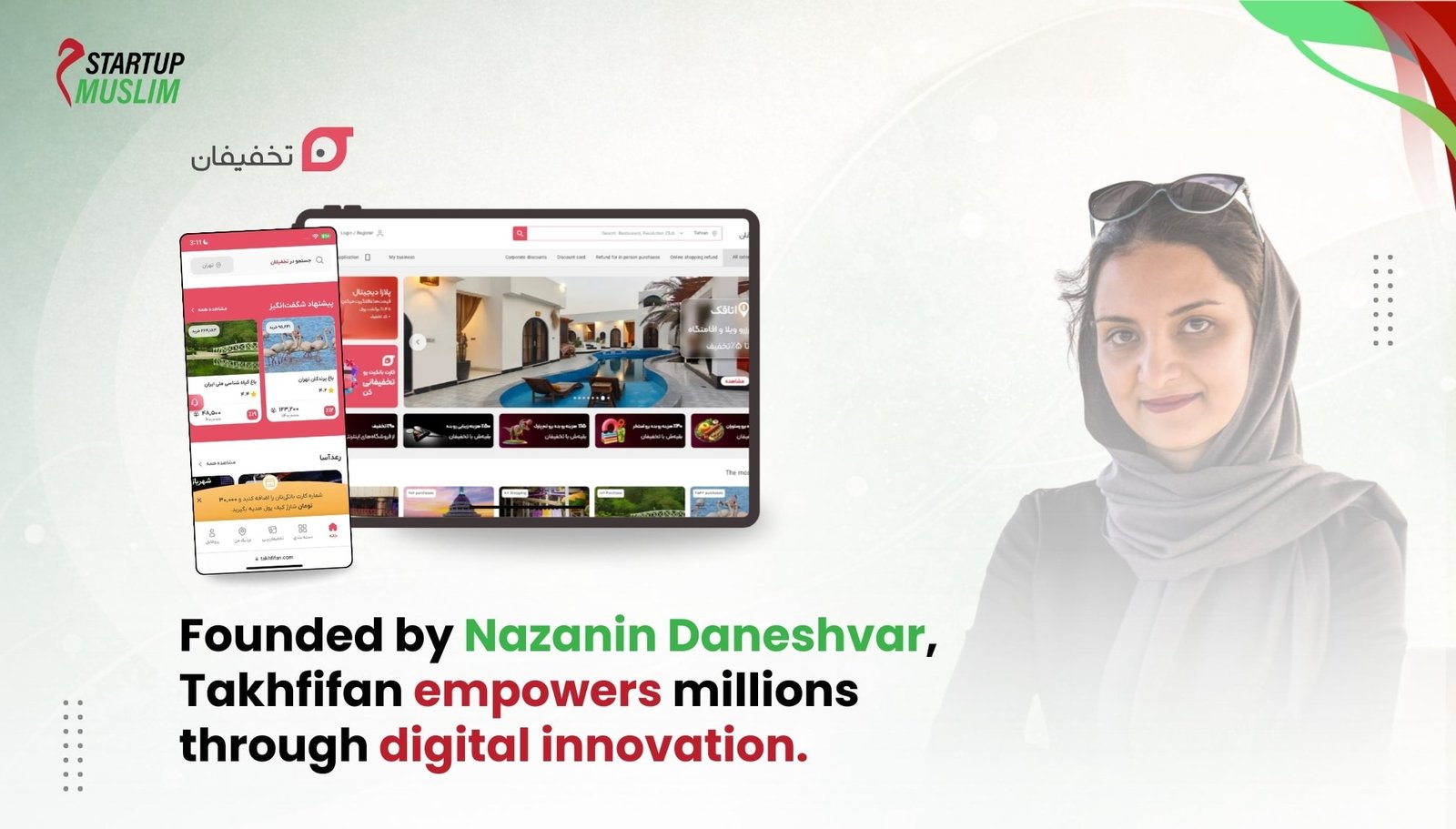
Takhfifan – Nazanin Daneshvar
Nazanin Daneshvar didn’t wait for Iran’s startup scene to mature, she helped build it.
- Founder of a major e-commerce and discount platform
- Launched when few women were visible in tech
Her path shows that innovation doesn’t need perfect conditions. It needs courage, timing, and determination, traits common among female Muslim entrepreneurs.
Publishing, Media & Representation
Ruqaya’s Bookshelf – Asmaa Hussein
Some businesses begin because something important is missing.
- Created to address the lack of inclusive Muslim children’s books
- Focuses on faith-affirming, stereotype-free storytelling
What stands out isn’t just representation, but quality. Asmaa Hussein shows that cultural impact and sustainability can coexist, something many successful Muslim businesswomen strive for.
Blue-Tin Productions – Hoda Katebi
Hoda Katebi works where fashion, media, and activism meet.
- Built a cooperative supporting immigrant and refugee women
- Focuses on ethical, deliberate production, not fast fashion
Among Muslim women founders, her work reflects a growing shift toward values-first, community-centered entrepreneurship.
Social Impact & Community-Centered Enterprises
Zaman International – Najah Bazzy
Zaman International wasn’t built as a side charity. It was built as a system.
- Addresses poverty, education, and basic needs
- Operates locally and internationally
Najah Bazzy blends compassion with structure and strategy. Her work shows what Muslim women-led businesses can look like when community is the foundation, not an afterthought.
What These Women Share (Even When Their Industries Don’t)
Despite working in completely different fields, these leaders have striking similarities:
- They didn’t wait for validation
- They built slowly and intentionally
- They stayed rooted in values while scaling
- They created space for others along the way
Most importantly, they didn’t try to fit into existing molds. They reshaped them. That’s the quiet strength behind many Muslim women founders today.
Why Their Stories Matter More Than Ever
Visibility changes possibility. When we highlight women-owned Muslim brands and celebrate female Muslim entrepreneurs, we expand what leadership looks like; not just for Muslim women, but for business as a whole.
These stories challenge narrow definitions of success. They remind us that ambition and faith don’t cancel each other out. They can reinforce each other.
And for young women watching from the sidelines, they offer something invaluable i.e proof.
Supporting the Next Wave of Muslim Women Entrepreneurs
If these stories resonated with you, there are simple ways to show support:
- Buy from women-owned Muslim brands
- Share their work, not just their aesthetics
- Mentor, collaborate, or invest where possible
- Talk about success without gatekeeping it
Every ecosystem grows stronger when support becomes intentional.
Final Reflection
The women featured here didn’t build businesses to “represent” anyone. They built them because they had something meaningful to offer.
That’s what makes their work last. Across fashion, tech, publishing, and social enterprise, Muslim women-led businesses are shaping industries with depth, integrity, and vision. Their impact isn’t loud, but it’s lasting. And honestly? This is only the beginning.
👉🏻Your business deserves visibility!!
Get featured on Startup Muslim, be seen globally, and build lasting recognition. Apply today.
Frequently Asked Questions
1) What is a Startup Muslim?
Startup Muslim is a platform that highlights and supports Muslim founders and businesses worldwide. It shares stories, insights, and practical resources to help entrepreneurs grow and connect with a wider community.
2) Why focus on Muslim-owned startups?
Many Muslim founders build businesses rooted in ethical, faith-aligned values while serving fast-growing global markets. Startup Muslim exists to give these ventures the visibility and support they often lack.
3) Are the featured businesses only from Muslim-majority countries?
No. Startup Muslim features Muslim-led businesses from all over the world, including Europe, North America, Africa, South Asia, and beyond.
4) Can my startup be featured?
Yes. Muslim founders and Muslim-led businesses across all industries and growth stages are welcome to apply for a feature.
5) Why are Muslim startups gaining global attention?
They combine strong business models with transparency, social impact, and ethical practices while serving a rapidly expanding global audience.