


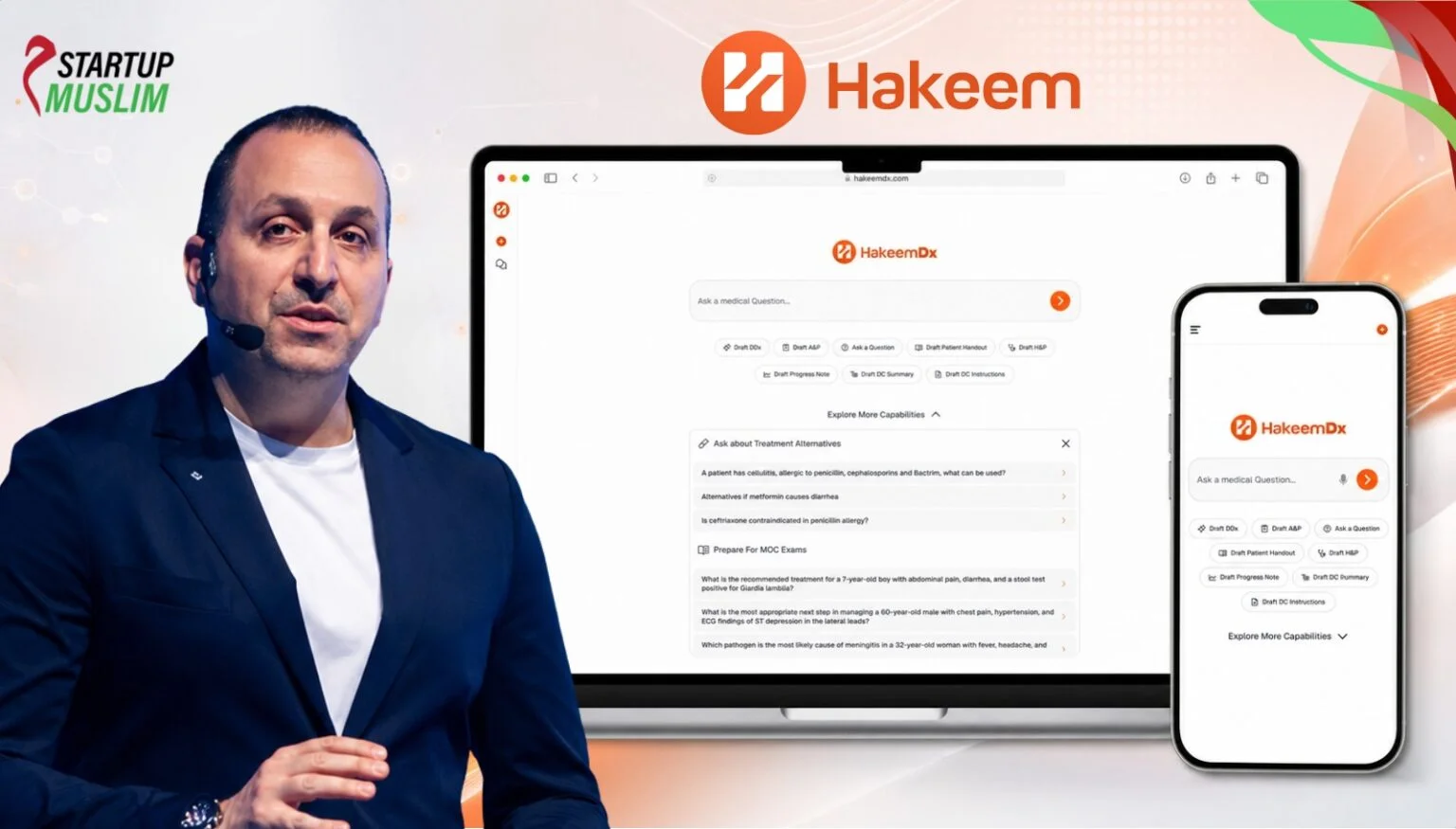
Bringing Real-Time AI Assistance Into Healthcare Systems
Saudi Arabia-based healthtech startup Hakeem Health has raised $1.65 million in a funding round led by Merak Capital, with participation from Sanabil 500, as the company looks to scale its AI-powered clinical decision support platform across the Gulf region.
Founded in 2022 by Bilal Adi and Mohammed Ayyad, Hakeem Health is building technology designed to assist clinicians at the point of care through real-time, evidence-based medical guidance. The company operates on a SaaS model and targets institutional healthcare systems including hospitals, universities, and healthcare payers across the GCC.
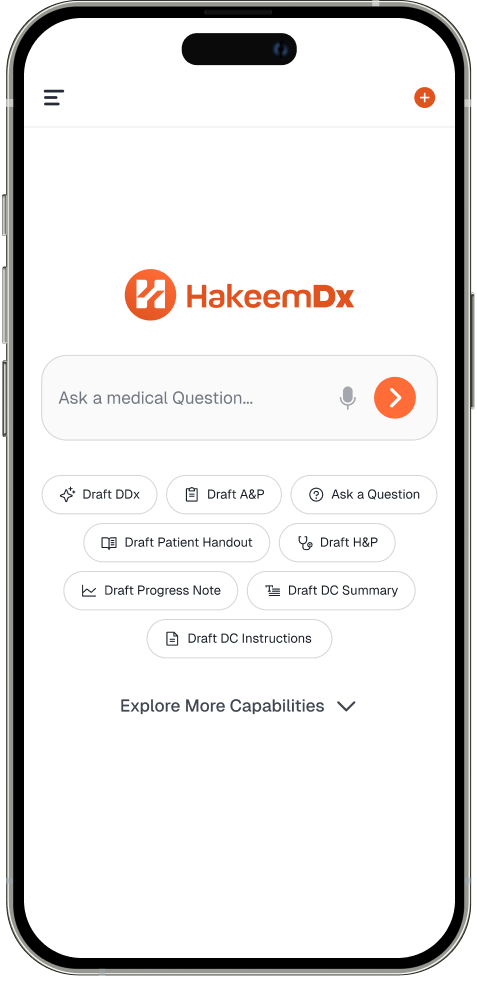
The new funding will primarily support the expansion of its flagship platform, HakeemDx, which integrates directly into hospital infrastructure to help clinicians make faster and more accurate decisions.
Building an AI Layer for Clinical Decision-Making
Healthcare systems generate vast amounts of patient data, but clinicians often face challenges accessing and interpreting relevant information quickly during consultations and treatment decisions. Hakeem Health is focused on addressing this gap by embedding AI directly into existing healthcare workflows.
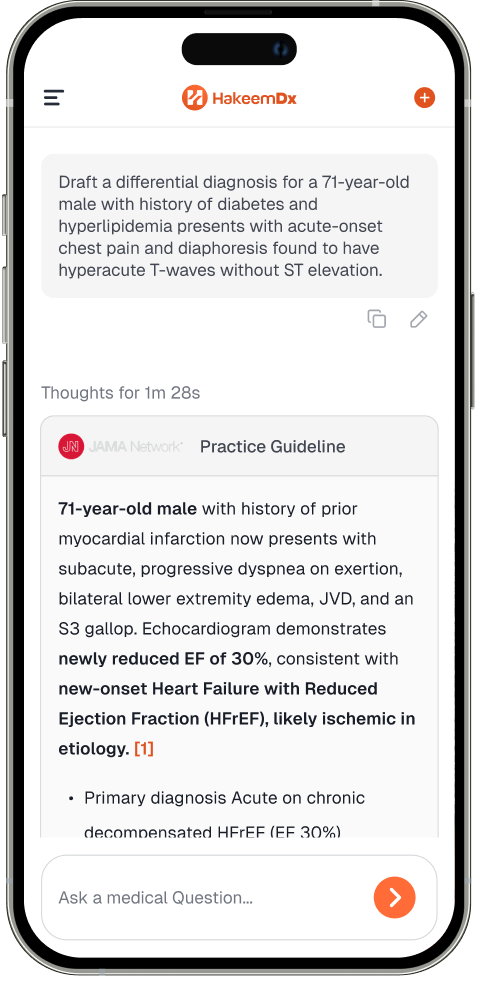
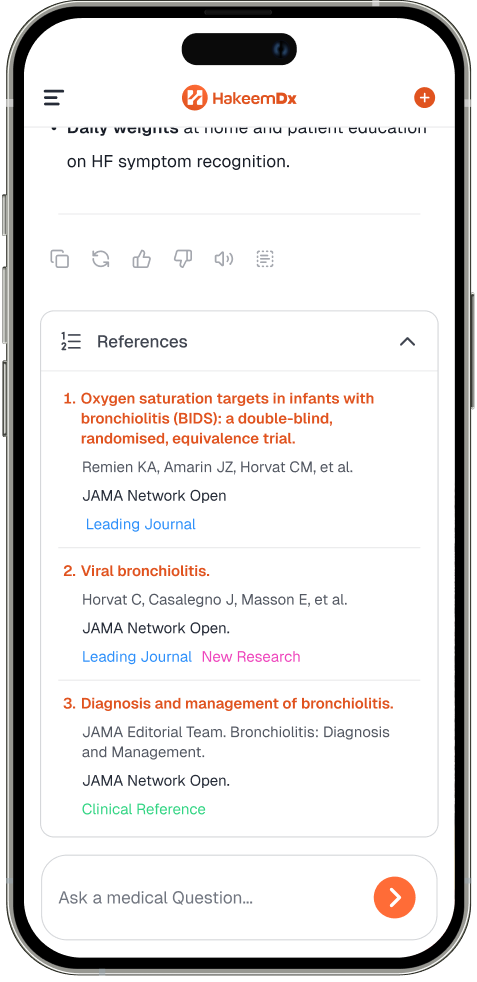
Its platform, HakeemDx, integrates with electronic medical records, laboratory systems, and other hospital infrastructure to provide real-time bilingual clinical guidance in both Arabic and English. By delivering evidence-based recommendations directly at the point of care, the system aims to reduce medical errors and improve patient outcomes.
The company positions the platform not as a replacement for clinicians, but as an intelligent assistant that enhances decision-making in high-pressure medical environments.
Scaling Through Institutional Adoption
Unlike many consumer-focused healthtech startups, Hakeem Health is focused on institutional deployment. The company’s SaaS model is designed around recurring contracts with healthcare organizations, creating long-term integration into hospital and healthcare systems.
This approach gives the company exposure to a significant regional market. According to Hakeem Health, there are more than 2,000 hospitals across key target markets including Saudi Arabia, the UAE, and Egypt.
As healthcare systems across the Gulf accelerate digital transformation initiatives, demand for AI-enabled clinical infrastructure is expected to increase. Hakeem Health is positioning itself within this shift by focusing on tools that improve operational efficiency while supporting clinical quality.
Investor Confidence in AI-Driven Healthcare
The funding reflects growing investor interest in artificial intelligence applications within healthcare, particularly solutions capable of delivering measurable operational and clinical improvements.
Merak Capital, a Saudi investment firm licensed by the Capital Market Authority, described healthcare as one of the sectors where AI can generate significant impact. The firm noted that Hakeem Health addresses critical challenges in clinical decision-making by helping clinicians make faster and more accurate assessments.
The investment also aligns with broader national priorities under Saudi Arabia’s Vision 2030 initiative, which places strong emphasis on digital transformation, healthcare innovation, and the development of knowledge-based industries.
Expanding Across the GCC
For Hakeem Health, the funding marks the next phase of regional expansion. Founder and CEO Bilal Adi stated that the company’s mission is to help clinicians make better decisions faster so that patients receive better care.
He noted that the investment will enable the company to scale HakeemDx across hospitals and healthcare systems throughout the GCC while continuing to develop AI solutions designed specifically for clinical environments. As adoption increases, the company aims to strengthen its position as a regional infrastructure layer for AI-assisted healthcare delivery.
The Growing Role of AI in Healthcare Infrastructure
Hakeem Health’s emergence reflects a broader trend in healthcare technology, where AI is increasingly being integrated into operational and clinical workflows rather than existing as standalone tools.
Clinical decision support systems are becoming particularly important as healthcare systems manage rising patient volumes, increasing complexity, and growing pressure to improve efficiency without compromising quality of care.
By integrating directly into hospital systems and delivering contextual recommendations in real time, platforms like HakeemDx represent a shift toward more intelligent healthcare infrastructure.
Building Trust in Clinical AI
One of the defining challenges for AI in healthcare is trust. Clinicians require systems that are accurate, explainable, and capable of functioning reliably within regulated medical environments.
Hakeem Health’s focus on evidence-based guidance, bilingual accessibility, and direct system integration reflects an effort to build tools that clinicians can practically adopt rather than experimental technologies disconnected from clinical workflows.
As healthcare providers across the GCC continue investing in digital transformation, companies capable of combining AI capability with operational trust are likely to play a central role in shaping the next phase of healthcare delivery.
For Hakeem Health, the opportunity lies not just in building software, but in becoming part of how medical decisions are made across the region.
