


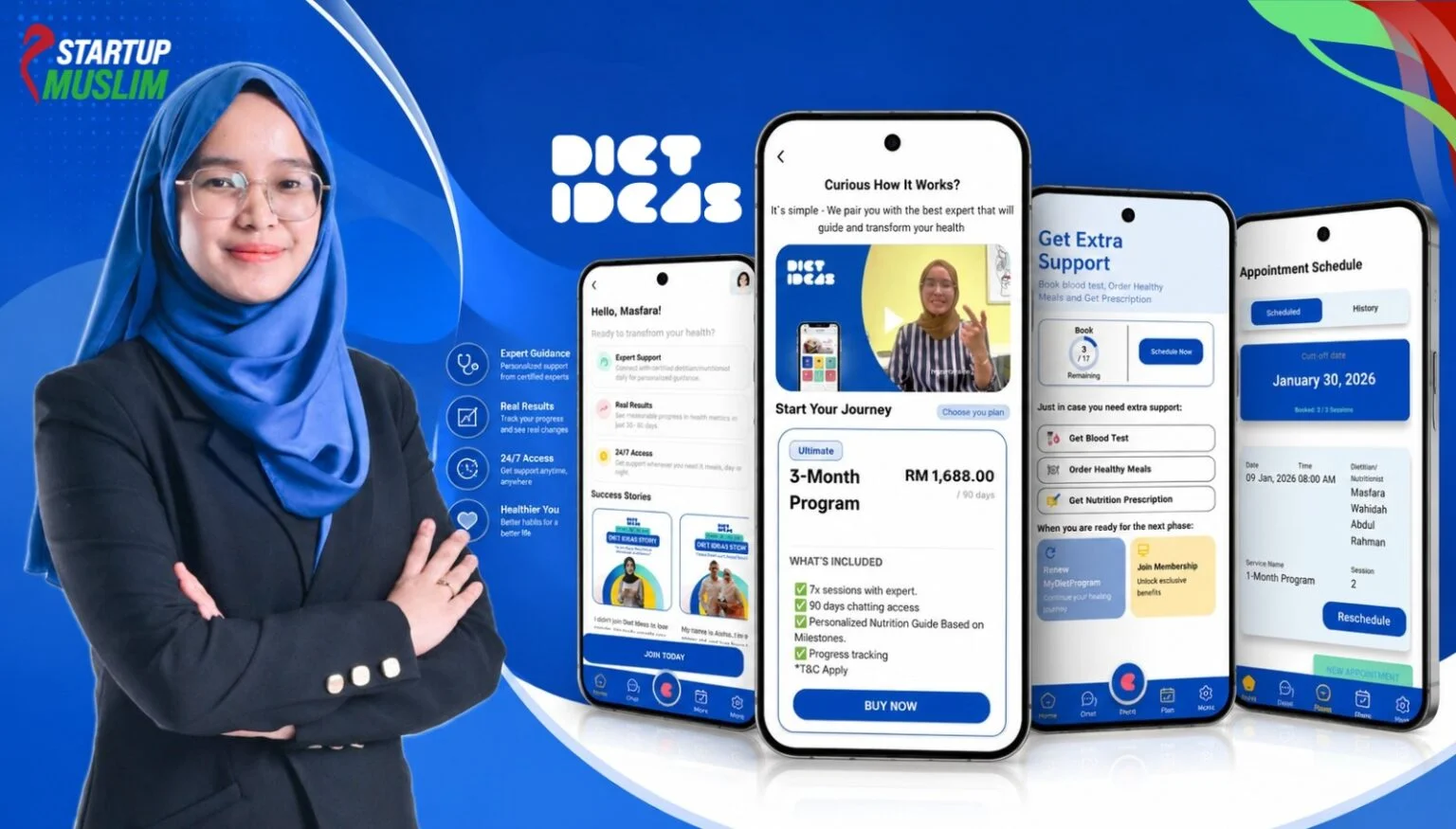
From Aspiring Lawyer to Founder in Preventive Healthcare
For Masfara Wahidah Abdul Rahman, the journey into nutrition and entrepreneurship was never part of an original master plan. Growing up in Malaysia, she initially wanted to become a lawyer. In fact, she only discovered the field of dietetics while filling out her university applications. The term sounded unfamiliar and intriguing enough for her to take a leap of curiosity.
Instead of pursuing law, she replaced every university choice on her application with dietetics programs across Malaysia. That decision would eventually shape the future of Diet Ideas, a health and nutrition platform now focused on preventive healthcare, personalized nutrition, and sustainable lifestyle transformation.
During university, however, Wahidah quickly realized she did not fit the traditional path expected from dietetics graduates. She could not imagine herself working permanently inside hospitals, managing food service operations, or pursuing academia. Instead, she began documenting everything she learned through a personal blog.
What started as a simple outlet for sharing lecture notes and insights unexpectedly attracted aspiring nutrition students and people seeking dietary advice from across Malaysia, Singapore, Brunei, and even Australia. That early audience became her first glimpse into a much larger opportunity.
Discovering the Gap Between Nutrition and Accessibility
After completing her studies, Wahidah worked within the supplement industry before later joining a digital health startup based in India. The experience exposed her to the possibilities of combining nutrition with technology to scale healthcare accessibility.
Over time, one pattern became impossible to ignore. Many people wanted to improve their health but struggled to access consistent, personalized nutrition guidance. Others cycled through restrictive diet trends that were unsustainable and often damaging both physically and emotionally.
The issue became especially visible while working with elderly clients, where nutrition directly influenced independence, quality of life, and chronic disease management. That realization became the foundation for Diet Ideas.
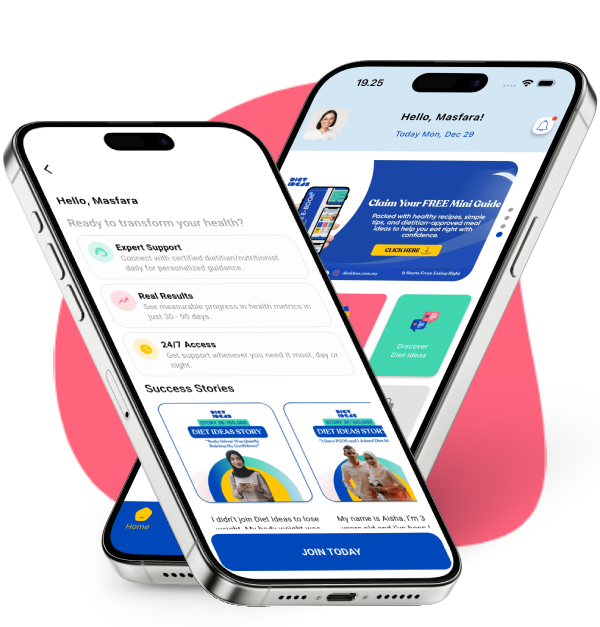
Rather than positioning itself as another weight-loss brand, the company was built around the idea that preventive healthcare should be practical, accessible, and sustainable. The platform allows users to choose different pathways toward better health, including healthier meal options, functional foods, supplements, and personalized guidance from certified nutritionists and dietitians.
The broader mission is to help people improve long-term health outcomes while reducing preventable chronic diseases through better daily habits.
Building a Nutrition Ecosystem Instead of a Diet Brand
One of the defining aspects of Diet Ideas is its rejection of one-size-fits-all health solutions. Wahidah believes that sustainable wellness requires personalization because every individual has different lifestyles, medical conditions, emotional relationships with food, and health goals. The company therefore focuses less on short-term dieting and more on building systems that support healthier living over time. “We believe everything starts from eating right,” she explains.
This philosophy has shaped the company’s evolution into a broader nutrition ecosystem that combines education, technology, personalized support, and health products under a unified platform.
The startup also reflects a growing shift within healthcare itself, where prevention and lifestyle management are increasingly recognized as essential components of long-term health outcomes.
Fighting Misinformation in the Nutrition Industry
Building a health company around evidence-based nutrition has not been easy. According to Wahidah, one of the company’s biggest challenges has been operating within an industry heavily influenced by misinformation, unrealistic expectations, and quick-fix diet culture. Consumers are often conditioned to expect rapid transformations, making it difficult to educate people about sustainable health improvement.
This created both operational and financial pressure for the business. Diet Ideas had to invest heavily in education, trust-building, and market awareness before consumers could fully understand the company’s long-term approach to wellness. At the same time, the startup discovered that certain products and operational models were difficult to scale sustainably.
Rather than aggressively expanding at the cost of stability, the company chose to rethink its structure, consolidate offerings, and focus on scalable systems, infrastructure, and strategic partnerships within Malaysia first. For Wahidah, entrepreneurship taught an important lesson: growth should never come at the expense of sustainability.
Scaling Preventive Healthcare Through Technology
Although Diet Ideas currently operates primarily within Malaysia, Wahidah has always envisioned the company as a globally recognized preventive health platform originating from the region.
The company’s long-term strategy focuses on expanding accessibility through digital health solutions, scalable nutrition programs, partnerships, and technology-driven support systems.
The objective is not simply to sell products but to create a trusted destination where people can access reliable nutrition guidance and sustainable health solutions regardless of where they live.
This approach positions Diet Ideas within a broader global movement toward preventive healthcare, where nutrition, behavioral change, and lifestyle management play increasingly important roles alongside traditional medical treatment.
Leadership Built Around Empowerment and Impact
As a founder who entered entrepreneurship at a relatively young age, Wahidah describes herself as someone still constantly learning and evolving.
The values guiding Diet Ideas revolve around transparency, sustainability, growth, and meaningful impact. Internally, she emphasizes creating a culture where employees feel trusted to contribute ideas rather than simply agreeing with leadership decisions. “I intentionally avoid creating a ‘yes boss’ culture,” she says.
This emphasis on openness and independent thinking reflects her broader leadership philosophy that innovation happens when people feel safe challenging ideas constructively.
At the client level, empathy remains central to the company’s approach. Rather than using fear-based messaging around health, Diet Ideas focuses on guiding people through realistic and sustainable changes that fit their actual lives.
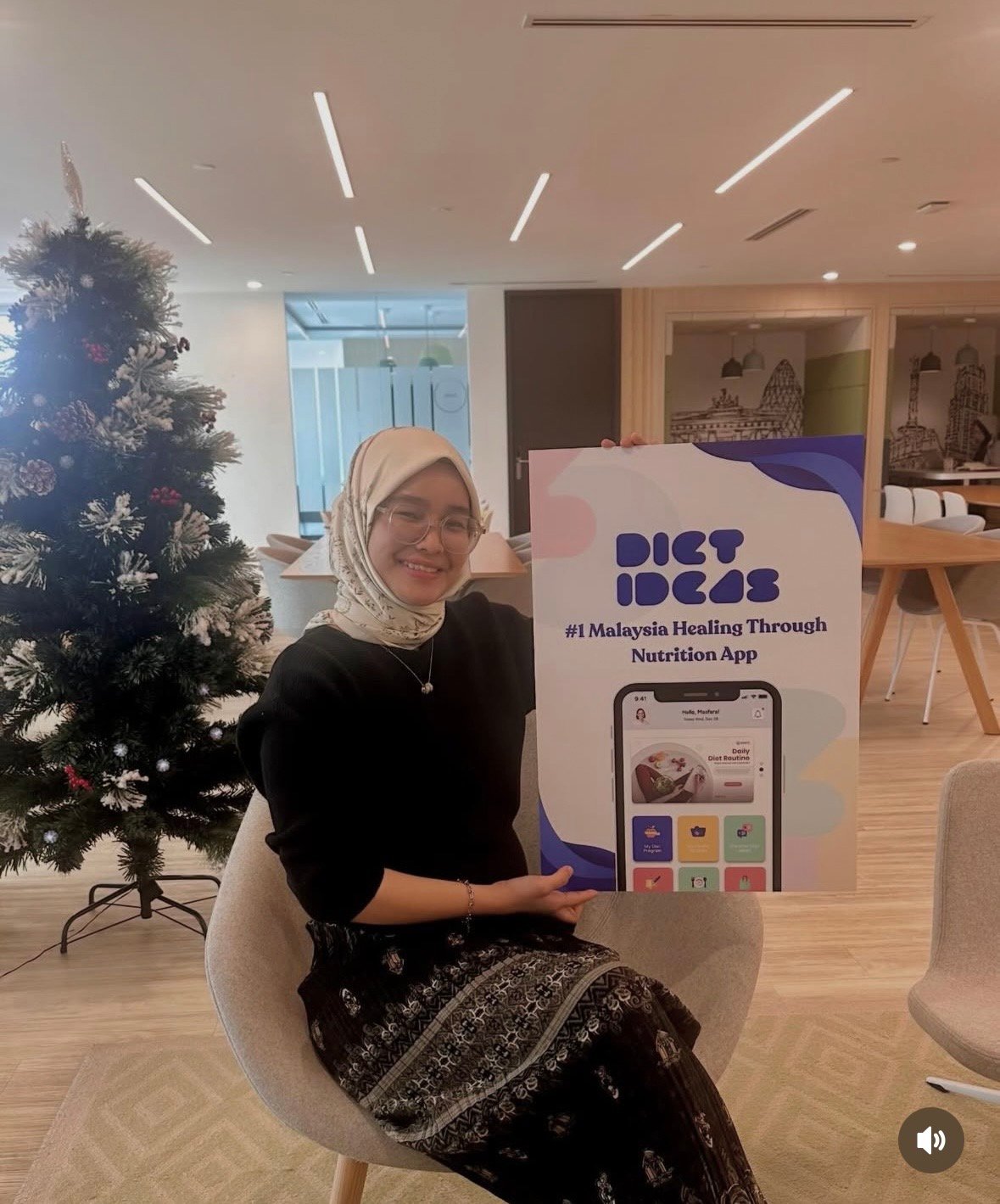
Advice for Muslim Entrepreneurs
For young Muslim entrepreneurs, Wahidah emphasizes purpose, patience, and integrity. She encourages founders to focus on solving real problems while staying committed to ethical business practices and long-term consistency rather than chasing rapid success. She also speaks about the importance of barakah in business, describing meaningful impact and integrity as more valuable than growth without purpose.
Her own entrepreneurial journey reflects this philosophy. Diet Ideas was not built overnight, nor through aggressive shortcuts, but through years of experimentation, adaptation, and gradual refinement.
Building a Healthier Future Through Nutrition
When Wahidah speaks about legacy, the conversation extends beyond company growth. She hopes Diet Ideas will contribute to creating a healthier society by helping people take control of their wellbeing before chronic disease develops. She also hopes the company becomes an example for women and young Muslim entrepreneurs who want to build businesses rooted in purpose while remaining commercially sustainable.
Ultimately, her vision is larger than nutrition itself. If Diet Ideas succeeds, it will not simply be remembered as a wellness brand from Malaysia. It will be remembered as a company that helped make preventive healthcare more accessible, sustainable, and human-centered for everyday people.
