





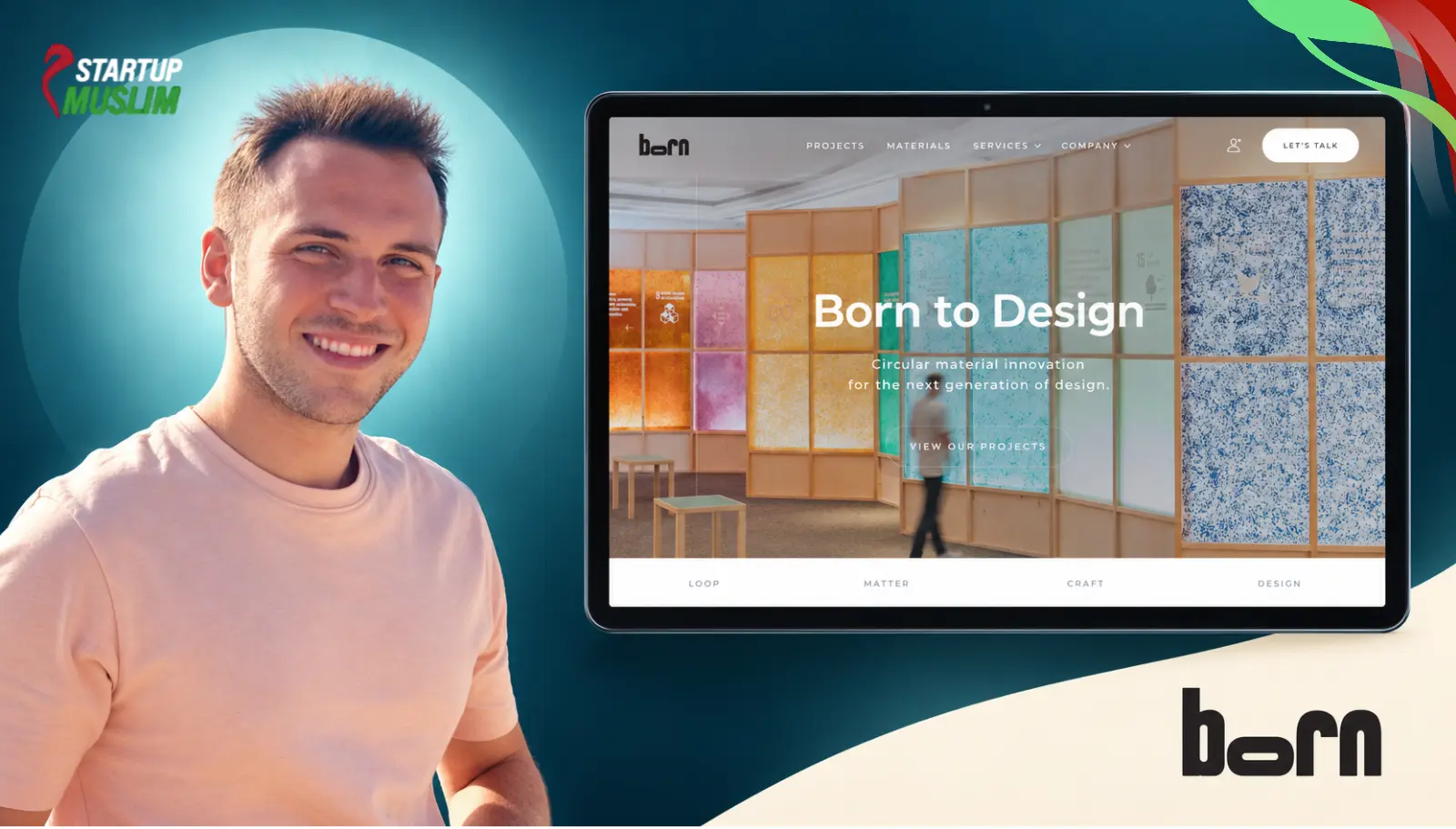
Alperen Asım Akbaş Wants to Change How the World Thinks About Recycled Materials
For years, sustainability in architecture and interior design has often been treated as a trade-off. Designers may want to reduce waste and use recycled materials, but they must also consider appearance, performance, cost and how a material fits into a finished space. Alperen Asım Akbaş, founder of Born Material, believes recycled materials should not have to compromise on design.
His company transforms post-industrial and consumer polystyrene waste into premium surfaces for furniture, interiors, lighting and product design. The aim is to create materials that people choose not only because they are recycled, but because they offer genuine design value. For Akbaş, this idea grew out of a career in architecture, where he learned to look beyond individual materials and consider the experience they help create.
“So Born Material was not a move away from architecture.”
That distinction helps explain the thinking behind his business. Akbaş is applying the principles of design to the material itself, exploring how discarded plastic can become part of the next generation of architectural and interior products.
From Architecture to a Different Kind of Design
Akbaş studied architecture at Istanbul Technical University, where his education focused on how people experience spaces. He was interested not only in the form of a building, but also in how people see, touch, hear and interact with their surroundings. His early experiences ranged from archaeological excavation work to architecture, urban design, international competitions in Barcelona, retail design and store development.
These different settings taught him to connect design with people, context and production. Sustainability became a stronger focus later in his professional career, particularly after he worked with the architectural team behind the first retail store in Türkiye to achieve LEED Platinum certification. His subsequent work on sustainable retail projects led him to think more deeply about resource use, materials and waste.
He began to question whether discarded materials could serve a different purpose.
“Does waste really have to remain waste, or can design and manufacturing give it new value?”
For Akbaş, the answer was not simply to recycle more plastic. It was to develop a material that designers would want to use. Born Material brought together his architectural background, growing interest in sustainability and desire to build a company of his own.
Turning Plastic Waste Into a Design Material
Born Material starts by sorting waste according to material type, colour and the visual character the team wants to achieve. It then develops surfaces from its existing collection or works with clients and designers to create project-specific materials. The company aims to reveal the aesthetic and technical qualities already present in the waste, without adding fillers or binders.
Its surfaces offer different patterns, colours and levels of opacity, allowing them to be considered for furniture, interior applications, lighting and product design. The company also works with processing and fabrication techniques familiar to manufacturers of conventional sheet materials, making it easier for design teams to explore possible uses.
But Akbaş does not believe recycled content alone makes a product competitive.
“A designer should choose Born because it is strong in terms of aesthetics, technical performance and design potential, with sustainability adding another important layer of value.”
That is a key part of the company’s approach. Sustainability may open the conversation, but the material must still meet the expectations of the people who specify, manufacture and use it. For Born Material, the challenge is to make recycled plastic a credible design choice in its own right.




The Challenge of Asking the Market to Try Something New
A new material has to earn trust before it can become part of established design and manufacturing processes. Architects and brands want to know how it can be processed, where it can be used, how durable it is and which fabrication methods will work. When Born Material first entered the market, the team could answer some of these questions only in theory.
Completing its first large-scale project was a turning point. The experience gave the team a real application to learn from and helped it answer questions with greater confidence. Each subsequent project has offered another chance to test the material and understand how it performs in different settings.
The technical process remains ongoing. The team continues to study how variations in the material respond to heat and pressure, how surfaces can be machined and formed, and which production methods deliver the best results for different applications. Akbaş sees this work as a continuing part of developing the business, rather than a phase that will simply end once the product reaches the market.
“We do not see the material as something finished and fixed.”
The company’s early progress has also depended on partners willing to take a chance on a new idea. Akbaş credits his first business partner with providing an opportunity to work on a large-scale application early in the journey. He is equally grateful to the architects, designers and brands prepared to experiment with unfamiliar materials and bring circular design into real projects.
Why Seeing and Touching the Material Matters
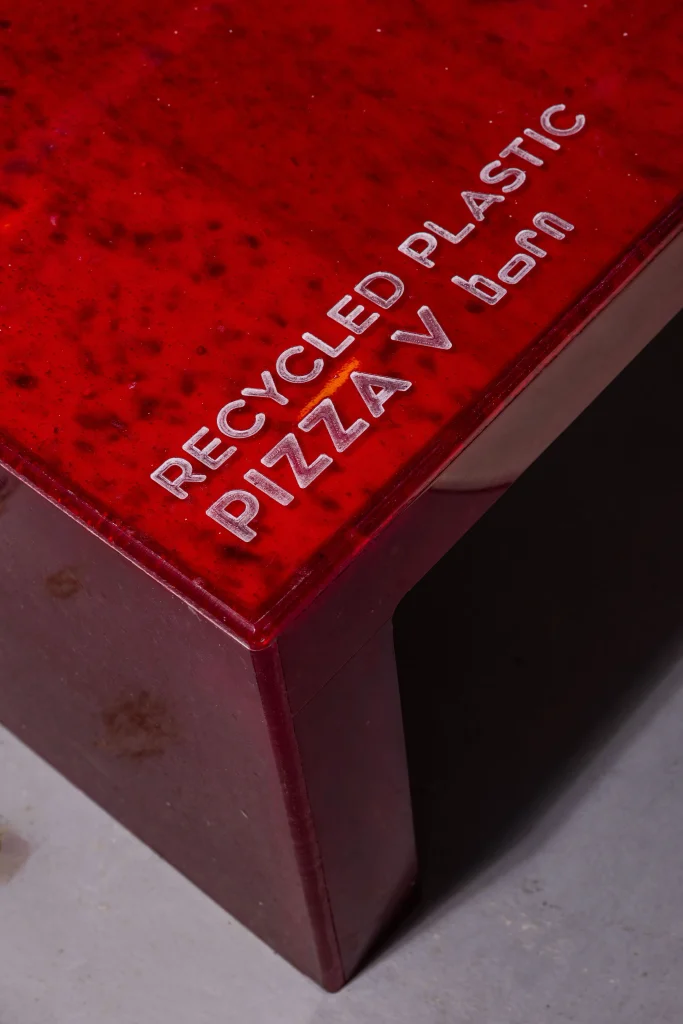
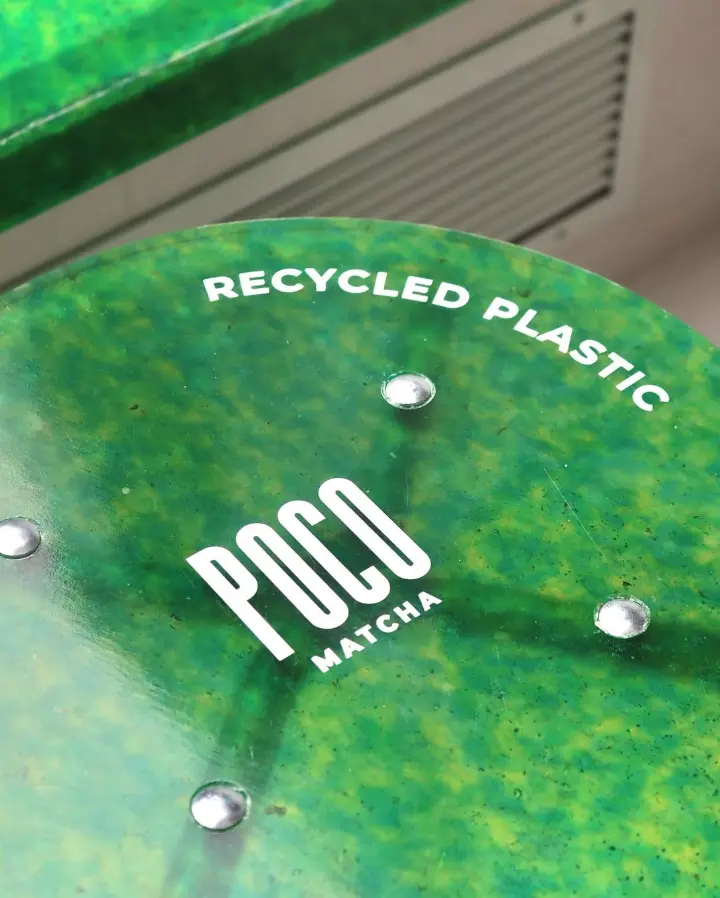
For Born Material, a photograph cannot fully communicate what makes its surfaces distinctive. Akbaş says the material’s depth, texture and translucency become easier to appreciate when people can see and touch it in person. Samples, prototypes and real applications therefore play an important role in introducing the product to prospective customers.
“The material explains itself better than we can.”
Once clients experience the surface directly, the conversation can move beyond the fact that it is recycled. They can consider how it might work in a particular space or product, followed by practical questions about durability, fabrication and cost. Where necessary, Born Material develops prototypes with clients before moving into larger projects.
The company has worked with brands including Pizza V and Poco Matcha, and its work has been showcased at Milan Design Week and sustainability events in Türkiye. These platforms help it reach architects, designers, brands and potential partners beyond its existing network. They also create opportunities to discuss material waste and circular design across the wider industry.
For a young materials company, visibility can help open doors. But the long-term test is whether the material can deliver what a project needs once the exhibition is over and production begins.
Building a Business Around Circular Design
Born Material’s core business is the production and sale of panels, supported by services that can include fabrication, CNC processing, design support and application solutions. Its customers range from residential clients and architecture firms to businesses in retail, hospitality, furniture and product design. Akbaş sees growth potential in sectors where material choices affect both function and appearance.
The company is also working to make its environmental impact more measurable. It tracks the amount of recycled plastic used in projects by weight and volume, allowing it to share project-specific figures with clients. Its Zero Waste installation, for example, incorporated approximately one tonne of recycled plastic.
Akbaş is careful about the limits of these measurements. He says the company wants to avoid environmental claims it cannot properly measure or verify, and plans to strengthen its approach through more detailed life-cycle data, resource and energy measurements, and independent environmental assessments as Born grows.
The company also aims to keep its material recyclable, with reuse, recovery and reprocessing helping to keep it in circulation for as long as possible. This reflects a wider ambition to look beyond the first use of a product and consider what happens to the material over time.
A Global Ambition Beyond Recycled Panels
Building a company around a new material means dealing with a steady stream of challenges. Production, customers, timing, cash flow and unexpected problems all demand attention. Akbaş says one of the most important lessons has been learning to solve problems step by step instead of expecting to have every answer at once.
“Persistence is not about having all the answers. It is about continuing to move forward, one step at a time, and finding a solution to the problem in front of you.”
Over the next five to ten years, he wants Born Material to grow into a global materials company developing circular surfaces, products and material systems for architecture, interiors and design. That will require increased production capacity, larger formats, new technical capabilities, international expansion and lasting partnerships with designers, brands and manufacturers.
He also sees the potential to move beyond the company’s current material category. The knowledge it is building around waste, design, manufacturing and circularity could support entirely new materials and applications. For Akbaş, growth is not just about producing more panels, but about building the expertise needed to develop what comes next.
His ambition reaches beyond Born Material itself. He wants recycled materials to become a normal part of the choices available to designers working on premium projects, rather than a separate category selected only when sustainability is a priority.
“They should become part of the standard material palette of premium architecture and design.”
That shift will depend on materials that can meet the demands of real projects while offering a clear reason to be chosen. Born Material is still developing its capabilities, expanding its applications and learning through production. Akbaş’s goal is to help create a future in which designers no longer see circular materials as a compromise, but as some of the best options available.


