


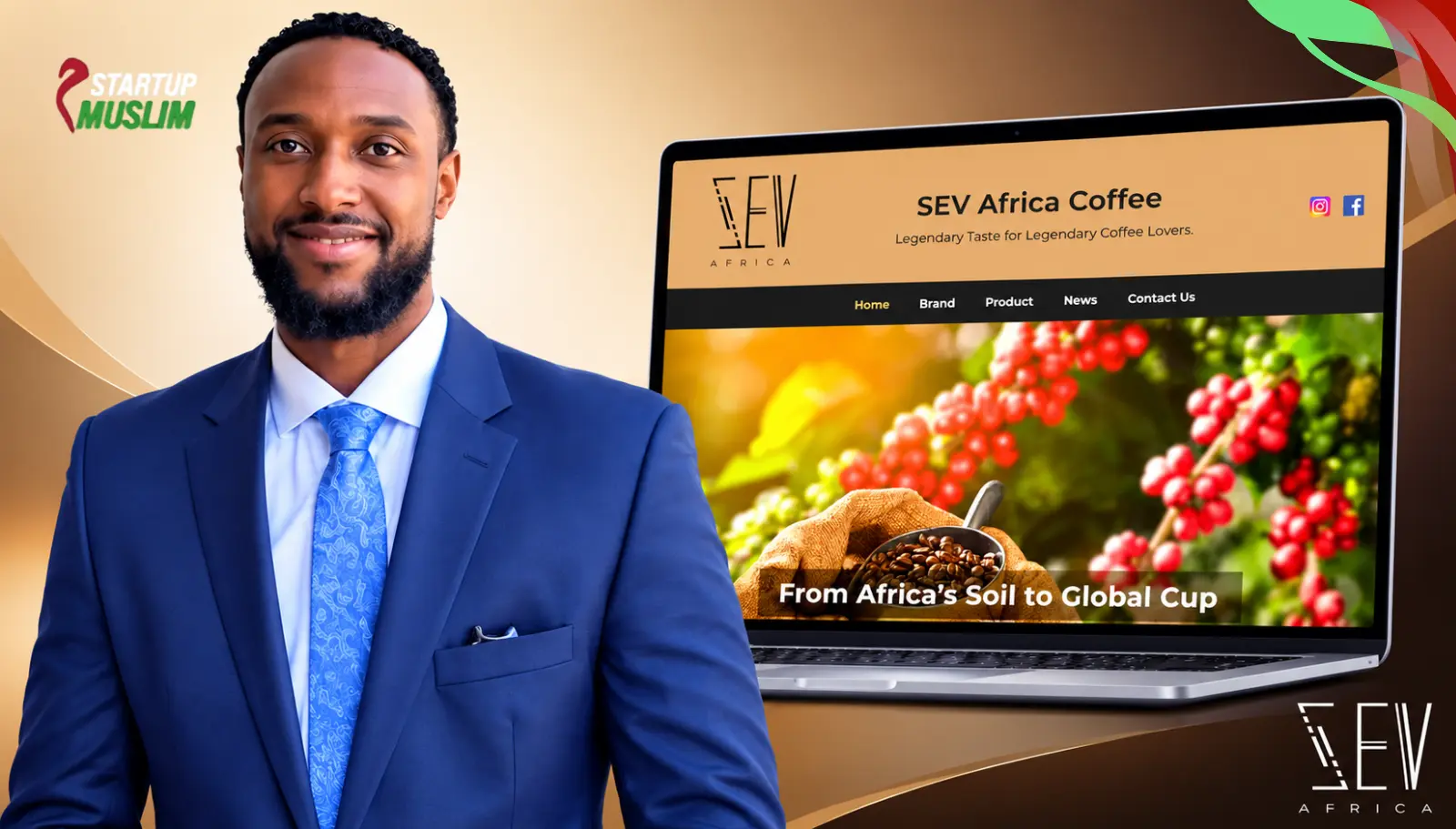
An NCAA basketball championship, a career in public health and economic development, and a coffee roastery in Istanbul may seem like chapters from very different lives. For Dahir Nasser, they are connected by a common idea: excellence is built through discipline, community and the freedom to create something meaningful.
With Kenyan Somali and Caribbean American roots, Nasser has spent much of his life moving between cultures, professions and communities. His journey has taken him from Southern California to East Africa and Europe, with each experience shaping how he sees business and opportunity. Today, through SEV Africa Coffee & Tea Lab, he is bringing distinctive African coffees and teas to new audiences, while developing SEVEN, a broader vision for premium African products.
The business is more than a coffee venture. It is an opportunity to connect African heritage with international customers, create new experiences around food and hospitality, and give African products a stronger place in global markets.
A Family Story Connected to Three Continents
Nasser’s background brings together several parts of the African diaspora. His father’s family is Kenyan Somali, with Darod–Dhulbahante roots, while his mother’s side is Caribbean American. His maternal grandfather, Dinsmore Herbert, came from Barbados, and much of Nasser’s own life was shaped in Southern California.
These different histories have influenced how he understands identity, belonging and opportunity. He sees entrepreneurship as one way to carry something forward from previous generations while creating possibilities for the next. As a father, he thinks about what his daughters will inherit from him, not only in terms of family history but also the confidence to pursue their own paths.
His earliest meaningful connection to the coffee business came through his uncle Ahmed, the founder of Java House. Nasser spent a summer with him in Toronto during the company’s early years, observing the strategy, patience and work ethic required to build a business before its potential became visible to others.
That experience became more tangible during his first trip to Kenya in 2011. He visited a Java House location and later celebrated his birthday at a newly opened branch with family and friends. Seeing people enjoy something that had once been an idea gave him a different appreciation for what entrepreneurship could create. It was not simply about selling a product; it was about building a place where people could gather and share an experience.
Lessons From Sport and Public Service
Coffee is not the first industry in which Nasser has pursued an ambitious goal. His professional journey has included athletics, public health, policy and economic development, each offering a different understanding of leadership and achievement.
He was part of a national championship basketball team at California State Polytechnic University, Pomona. The experience taught him the value of preparation, teamwork and collective performance. In competitive sport, individual talent matters, but success depends on people working toward a shared objective.
His later work in community health, public policy and economic development brought a different set of questions into focus. He became more interested in who benefits from growth, how communities gain access to opportunity, and what allows people to shape their own futures. These concerns have continued into his work as an entrepreneur.
The connection between these experiences is visible in the way he approaches SEV. He wants to build a commercially sound business, but he also wants it to reflect values that matter to him: ownership, fairness, education and meaningful participation. For Nasser, success is not only about the final result. It is also about how people are treated along the way.
Building SEV Africa Around the Story Behind the Cup
The idea for SEV Africa grew from the combination of family connections to coffee, Nasser’s interest in African history and culture, and his desire to create something with an international audience. He saw an opportunity to introduce people to the variety of African coffees and teas while developing a brand that could offer more than a standard retail experience.
His wider family and business network includes Kafe Koko in Kenya and his cousin Dr. Nasra Ali, co-founder of Kaldi Africa in Lagos, Nigeria. Through Kaldi Africa, she has helped develop a specialty coffee business focused on roasting, training and raising the standard of the coffee experience. Her work reinforces an idea that has become important to Nasser: African businesses should be able to participate in more than the production of raw materials. They can also build expertise, develop brands and create customer experiences.
SEV’s name reflects the cultural influences behind the business. It connects to the Turkish word sevmek, meaning to love, expressing the brand’s affection for Africa and the people it hopes to bring together. It also draws from the number seven, which appears in the seven days of the week, seven continents, seven seas and seven heavens. The company’s logo forms an S from two numeral sevens, reflecting its ambition to bring people joy throughout the week and build a brand that can travel around the world.
The company describes its identity as born in Kenya, shaped in America and developed in Türkiye. That combination is not simply a marketing line. It reflects Nasser’s own life and the way he hopes customers will experience the brand: rooted in African heritage, influenced by different cultures and open to people from everywhere.
Bringing African Coffee to Istanbul
SEV’s operations connect three important locations: Nairobi, Los Angeles and Istanbul. Nairobi provides links to family, sourcing relationships and coffee expertise. Southern California represents more than three decades of personal relationships and experience, while Istanbul serves as the company’s operating base.
The Istanbul Coffee & Tea Lab brings roasting, product development and hospitality together in one place. It is where the company can work on its products, serve customers and learn directly from their preferences. The facility includes a 30-kilogram batch roaster, giving SEV the ability to roast coffee and develop different offerings.
The choice of Istanbul also creates an opportunity to introduce African coffee to customers through familiar and new preparation styles. Someone might discover the brand through an espresso, a V60 filter coffee, or Turkish coffee with cardamom. Tea offers another entry point, with products such as rooibos, karkade and Somali tea helping introduce customers to a wider range of flavours and traditions.
Nasser sees each product as a way to start a conversation about its origin and the people behind it. However, he also understands that storytelling alone cannot build a lasting food and beverage business. Quality, consistency, pricing and customer experience all have to work together. A product may attract someone because of its story, but the taste and service need to give them a reason to return.
More Than Coffee: Building a Platform for African Products
SEV Africa is developing beyond roasted coffee. Its current and planned offerings include Turkish coffee, cold brew, capsules and curated gift boxes, alongside tea and other products. The company is also developing a subscription offer and an East Africa Coffee Experience designed to introduce customers to coffees from Kenya, Ethiopia and Uganda through guided tasting and storytelling.
These initiatives reflect a larger ambition called SEVEN. Coffee and tea are the starting point, but Nasser sees opportunities to introduce other premium African products, including cocoa, chocolate, vanilla and spices. The goal is to create a destination where customers can discover African quality and craftsmanship across different categories.
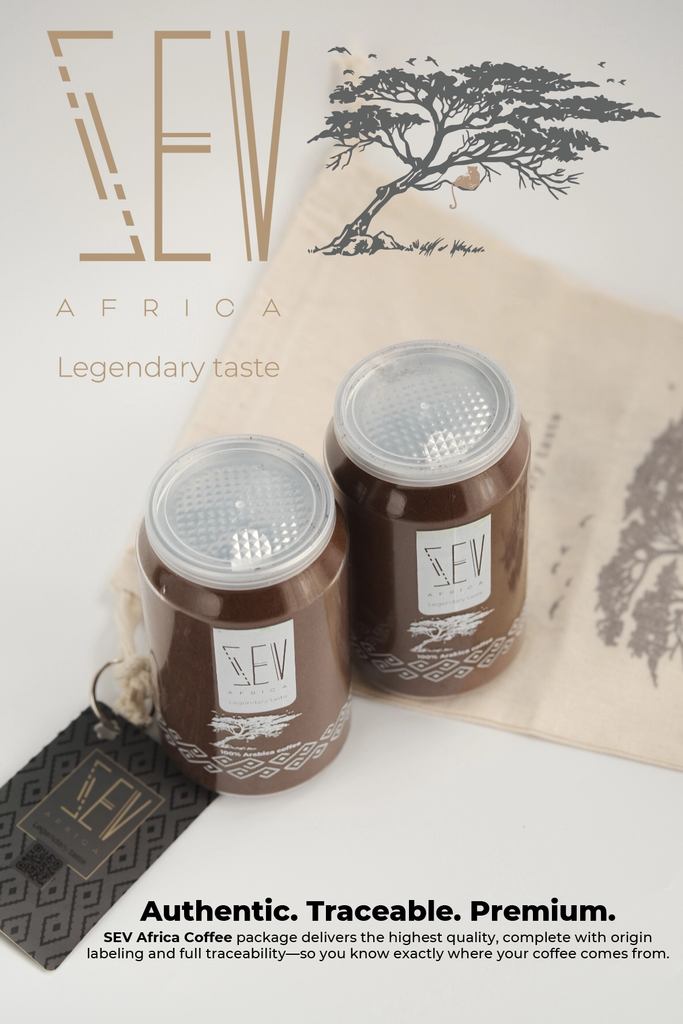
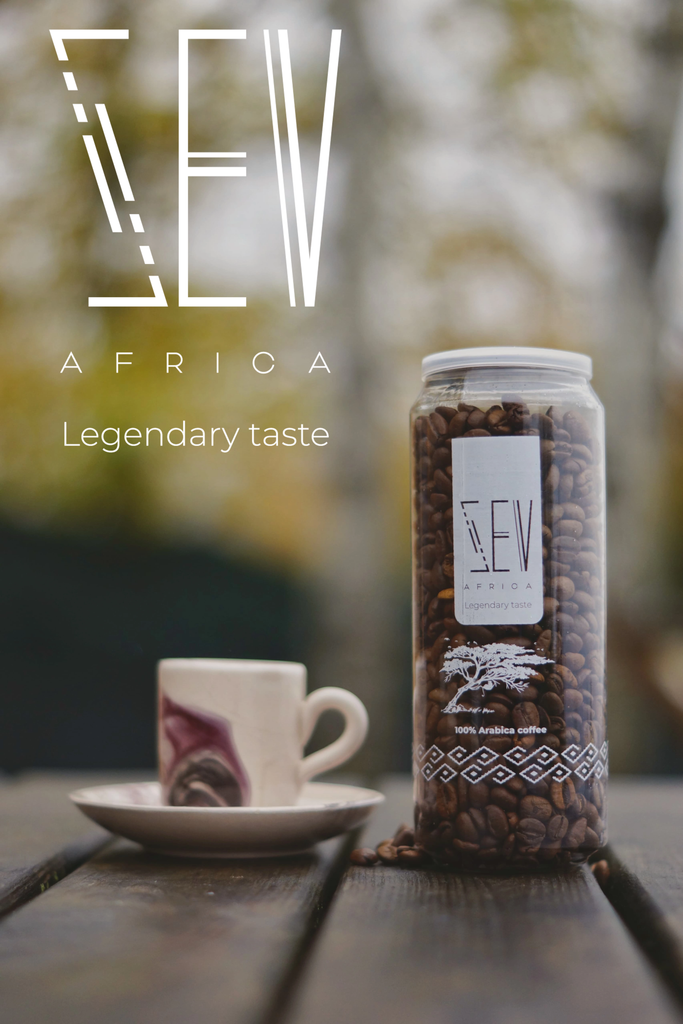
For Nasser, this expansion is also connected to ownership. He wants African businesses and people in the diaspora to take part in developing products, building brands and reaching international customers. He believes the value of African products should not end when raw materials leave the continent. More opportunities can be created through processing, roasting, packaging, product development and distribution.
His public-health and economic-development background also shapes how he thinks about the supply chain. He wants to strengthen long-term purchasing relationships, establish clear terms and improve visibility into where products come from. As the company grows, he hopes to make the benefits for producers and partners clearer through the relationships it builds and the opportunities those relationships create.
The Reality of Building an International Business
Developing a physical business in another country has brought practical challenges. Facility work, equipment, approvals, staffing and cash flow have all required attention, while delays can increase costs and put pressure on a small operation. Nasser has had to revisit budgets, narrow priorities and step away from opportunities when the financial case did not make sense.
His international experience has helped him understand different markets, but it has not removed the difficulties of operating across borders. Relationships need to become working agreements, and good intentions need to be supported by reliable shipping, payments, consistent products and repeat orders.
He also recognises that customer preferences change from one market to another. A product that works in Istanbul may need a different approach in Nairobi or Los Angeles. His strategy is to listen first, learn from customers and grow at a pace the business can support.
For the next stage, SEV is developing its North American market entry through consumer experiences and relationship-building. The company wants to understand what customers enjoy and use that feedback to shape its future products and distribution. Its subscription offer and East Africa Coffee Experience are also still in development, with the company planning to invite interested customers to help shape them.
A Vision Rooted in Heritage, Built for the World
Over the next five years, Nasser wants SEV Africa to become a respected name in African coffee, tea and hospitality, supported by reliable operations and sales relationships across Türkiye, North America and selected additional markets. The broader SEVEN vision would bring more premium African products into the same platform as the business develops.
His ambition is commercial, but it is also personal. He wants to create a business that gives people more ways to experience African products and helps African entrepreneurs participate in the value created around them. He also wants his daughters to grow up seeing their heritage as a source of confidence and possibility.
Faith plays a role in how he approaches leadership. Nasser says it brings him back to intention and responsibility, reminding him to consider how he pursues success, treats people and uses the opportunities he has been given. He tries to reflect those principles in everyday decisions: keeping commitments, communicating honestly and taking responsibility when things go wrong.
For someone whose journey has moved through sport, public service and entrepreneurship, the next chapter is still being written. But the idea connecting those experiences remains clear: build with purpose, pursue excellence and create something that brings people together.
With SEV Africa, Nasser is taking that idea into every cup, introducing customers to the diversity of African coffee and tea while building toward a much wider vision for African products on the global stage.
