





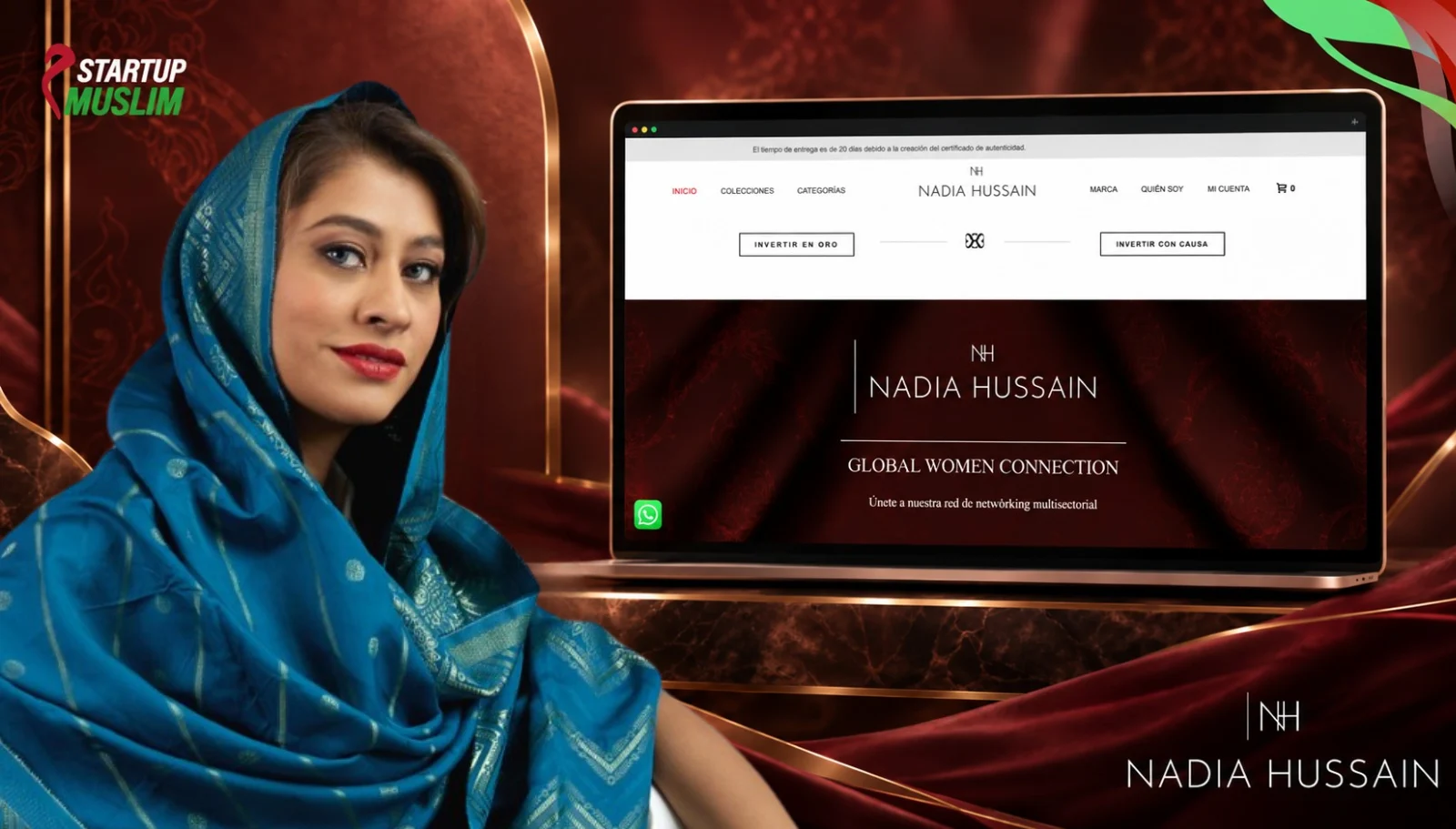
It was a way of bringing together two parts of her identity that had spent years developing separately. Born in Mexico with Pakistani roots, Hussain built a professional career across finance, technology, artificial intelligence, digital transformation and business development. Then she found a medium through which those worlds could meet: jewellery.
Today, through Nadia Hussain Jewellery, she is bringing 21-karat gold jewellery originating from Multan, Pakistan, to the Mexican market. But the ambition extends beyond selling jewellery. Hussain wants to introduce Mexican consumers to Pakistan’s craftsmanship, history and cultural heritage while demonstrating that luxury can also represent wealth preservation, identity and storytelling.
Her journey offers a different perspective on entrepreneurship: sometimes the most interesting businesses emerge not from abandoning one’s previous experience, but from connecting everything that came before.
When Finance, Technology and Heritage Converged
Hussain’s professional background might seem far removed from jewellery. Her career has developed at the intersection of finance, technology, artificial intelligence, digital transformation, strategy and business development, including her role as founder of PathIA Global Solutions, an ecosystem focused on using technology, AI and data to provide entrepreneurs and businesses with financial and business intelligence tools. She is also involved with We Are The Robots and Advantage, working across technology, innovation, infrastructure and business solutions.
Alongside her companies, Hussain has spent years participating in business chambers, associations and women’s organisations, particularly around innovation and technology. Those experiences taught her how ideas become business models and how relationships between companies, institutions, technology and people can create opportunities. But another part of her identity remained less visible in those ventures: her Pakistani heritage. Jewellery became the vehicle through which she could bring together the country where she was born and the culture from which her family originated.
“Nadia Hussain Jewellery does not represent a departure from finance or technology,” she says. “It is another expression of the same vision: creating value.”
Building a Pakistan–Mexico Bridge Through Jewellery
The opportunity Hussain sees is both commercial and cultural. Mexico is familiar with jewellery, gold and luxury, but she believes the artistic heritage of Pakistan, and particularly the traditions of Multan, remains relatively unfamiliar to the Mexican market.
Multan, known as the City of Saints, has a long history of craftsmanship and Sufi culture. Hussain’s collections draw inspiration from historical figures and traditions associated with the city, including Shah Rukn-e-Alam and Shamsuddin Sabzwari. Rather than presenting those stories as something that belongs only to Pakistan, however, she wants to translate them into a contemporary language that customers from different cultural and religious backgrounds can understand. That philosophy is captured in the brand’s tagline: “Because every story counts.”

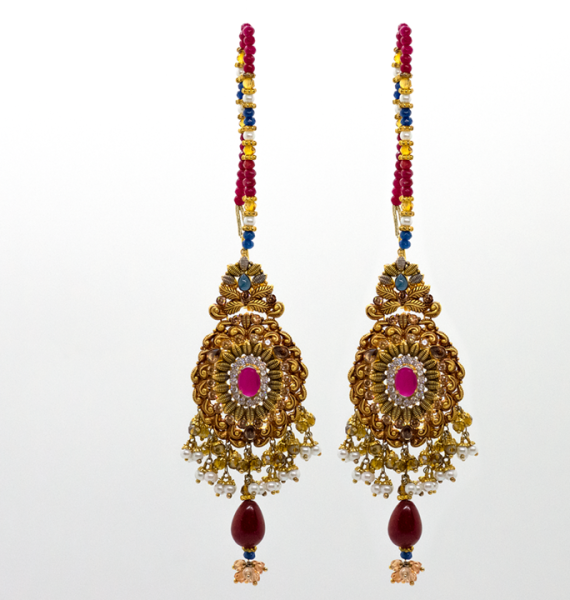

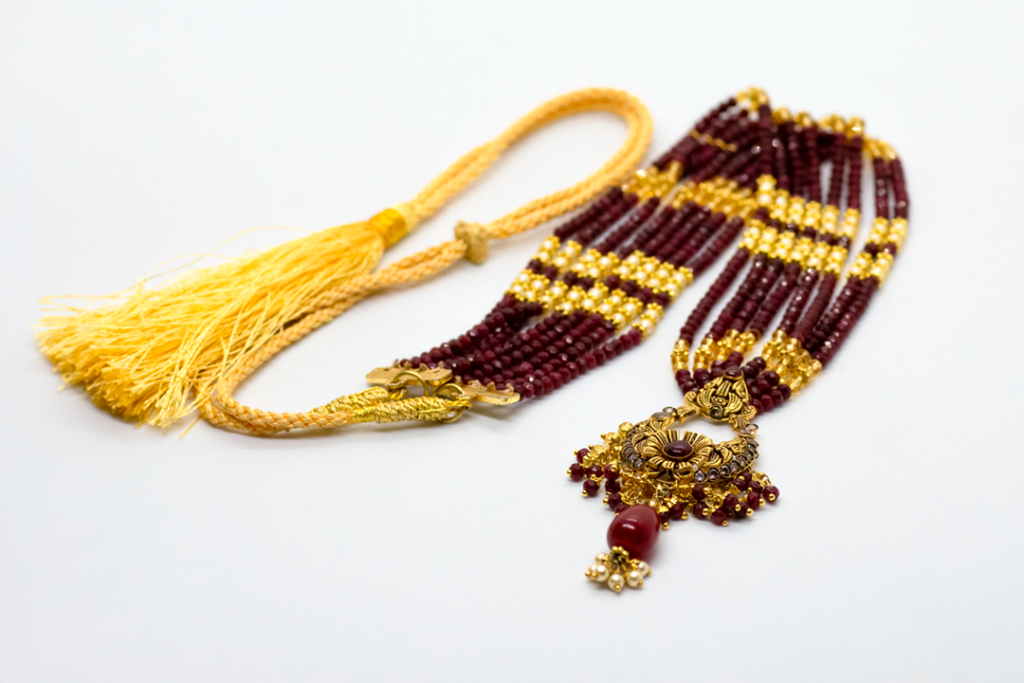
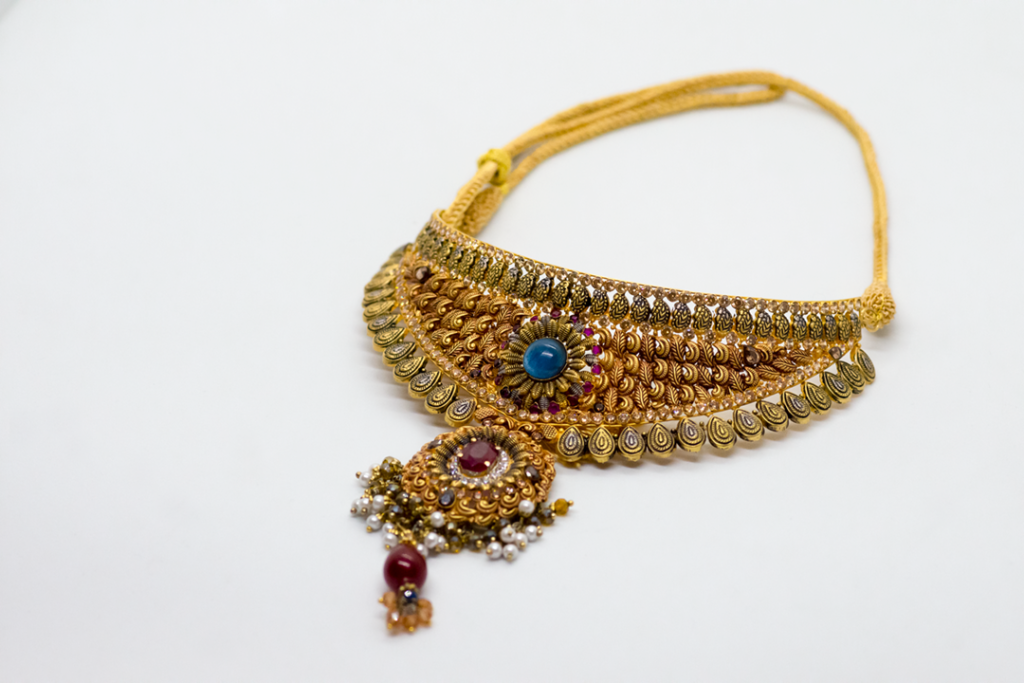
For Hussain, jewellery becomes more valuable when the person wearing it understands the story behind it. A piece can represent spirituality, love, strength, identity, transformation, loss or belonging, and ultimately becomes part of the story of the person who chooses to wear it.
Where Gold Meets Financial Intelligence
This is where Hussain’s financial background becomes particularly relevant. In South Asian culture, gold has traditionally carried a meaning that goes beyond adornment. It can be an asset, a form of wealth preservation and something passed from one generation to another. Hussain wants to bring that perspective into the Mexican market, encouraging customers to think about jewellery not only in terms of design, but also in terms of composition, authenticity and the value that can be preserved over time.
That thinking shapes how she presents the products. The company’s website can show historical purchase values alongside current values for certain pieces, helping customers consider the financial dimension of their purchase rather than viewing jewellery exclusively as a discretionary luxury. The distinction is important. Hussain is not arguing that every jewellery purchase should be treated simply as an investment. Rather, she wants consumers to understand what they are purchasing and the different forms of value contained in it.
“True luxury can also be intelligent,” she says. It is a positioning that fits naturally with her professional background. Finance taught her to look at numbers and value; technology taught her to think about systems and transformation. Jewellery gives her a way to apply those instincts to something deeply connected to culture and emotion.
Why 21-Karat Gold Matters
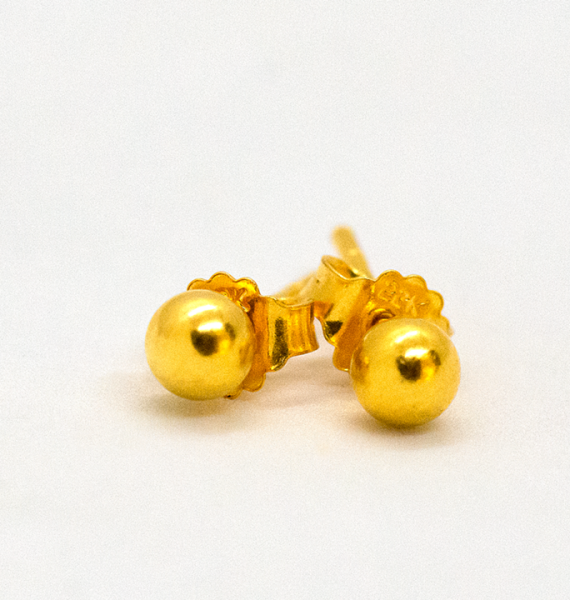
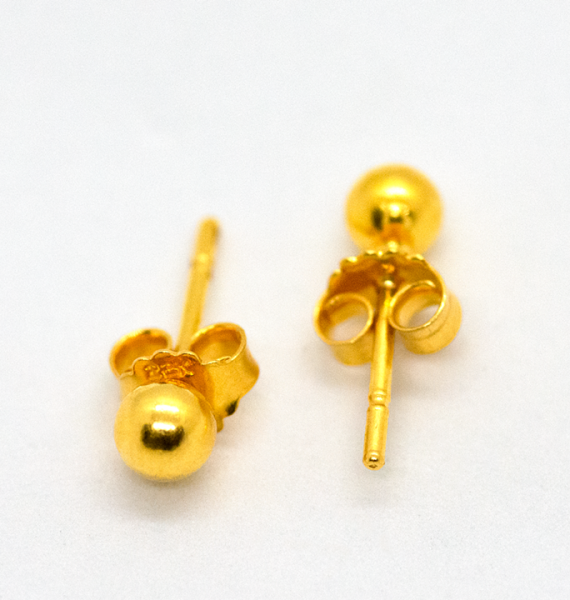
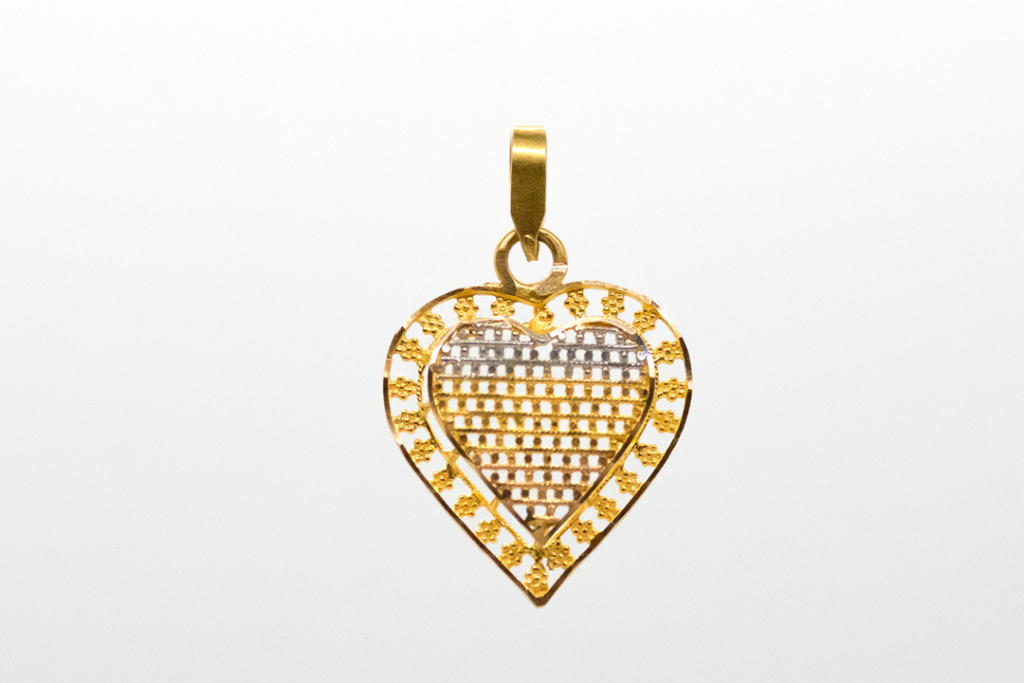
The product itself is also part of the cultural bridge Hussain is building. Many of Nadia Hussain Jewellery’s pieces are made from 21-karat gold and sourced from Multan, reflecting a South Asian tradition in which higher-purity gold has historically played an important role in family wealth and heritage. Hussain sees this as an opportunity to introduce Mexican consumers to a different relationship with gold.
The proposition is not limited to karatage. Craftsmanship, design techniques and the cultural meaning behind each piece are equally important. For customers accustomed to different gold standards and jewellery traditions, discovering 21-karat gold can become an entry point into a broader conversation about Pakistani craftsmanship.
That creates an unusual proposition for a jewellery brand. The customer is not simply buying an unfamiliar design from another country. They are being invited to understand why the material, craftsmanship and origin matter. For Hussain, preserving that origin is essential. She does not want to adapt Pakistani jewellery so aggressively for the Mexican market that its identity disappears. Instead, the goal is to make the story understandable without removing what makes the jewellery distinctly Pakistani.
Trust Is the New Luxury Infrastructure
Selling high-value jewellery online introduces another challenge: trust. When a customer cannot physically inspect a piece before purchasing it, the brand has to communicate authenticity, composition and provenance with greater precision. Hussain believes that reputation alone is no longer sufficient to establish that trust. The company’s gold-line pieces come with certificates of authenticity, while the brand provides information about the characteristics and story of the jewellery. Her approach is heavily influenced by her experience in finance, technology and business processes, where traceability and transparency are central to building confidence.
That philosophy leads to a broader view of what luxury can mean in the digital era. Traditionally, luxury brands have relied heavily on heritage, reputation and exclusivity. Hussain wants information to become another pillar of that relationship. When a customer spends a significant amount on a piece, she believes they should understand what they are buying, what it is made from and where it comes from. For Hussain, information is part of the product.
From Jewellery Brand to Cross-Border Business Ecosystem
The jewellery company is ultimately part of a much larger entrepreneurial vision. Hussain wants Nadia Hussain Jewellery to become an international brand associated with the convergence of history, heritage, design and investment, while presenting a different perspective on Pakistan and South Asian culture to the world. But she also sees the company as a potential gateway between Mexico and Pakistan for opportunities that extend well beyond jewellery.
Her broader career has reinforced that belief. Through PathIA Global Solutions, We Are The Robots, Advantage and her involvement with organisations including AMMJE Mexico City, COPARMEX Mexico City, CANACINTRA and Fundación Palma, she has seen how businesses grow through ecosystems rather than in isolation. Networks, trust, institutions, technology and relationships can be as important as the original product.
That perspective also informs her work supporting women entrepreneurs. Hussain argues that the biggest barrier is often not talent but access: access to financing, technology, information, networks and the spaces where important decisions are made. For her, women’s economic empowerment should go beyond teaching women how to start businesses; it should help them build financially sound, technologically competitive companies capable of scaling.
That may ultimately be the most interesting part of Hussain’s entrepreneurial journey. Jewellery is the product, but connection is the business thesis.
She is connecting finance with luxury, technology with tradition, Pakistan with Mexico, heritage with contemporary design, and cultural storytelling with commerce. What began as a personal attempt to reconcile two parts of her identity is becoming a broader proposition about how businesses can move ideas, products and opportunities across borders. And perhaps that is why the brand’s central message, “Because every story counts,” carries particular weight. Hussain spent years navigating different industries and cultures before realising she did not have to choose between them. She could build something that brought them together. She could build a bridge.


