


Where Financial Inclusion Meets Agriculture
When policymakers discuss financial inclusion, the conversation almost always revolves around banking access, digital payments, and microfinance. Billions of dollars have been invested globally to connect underserved populations to the formal financial system. Yet for Mujtaba Khalid, Co-Founder and CEO of Bagh-e, those efforts have often overlooked a more fundamental question: What happens after someone gains access to finance?
After spending more than fourteen years working in Islamic finance across multiple jurisdictions, Mujtaba began to notice a recurring pattern. Governments, regulators, financial institutions, NGOs, and development agencies were making remarkable progress in expanding access to financial services. Digital wallets were opening, payment systems were improving, and financial technology was reaching previously underserved communities. However, many of the people these initiatives sought to empower—particularly smallholder farmers—continued to struggle economically.
His work took him across Africa, Central Asia, South Asia, and Southeast Asia, where agriculture remains the backbone of many economies. Throughout these regions, he found that smallholder farmers consistently represented one of the most financially excluded segments of society. In Pakistan alone, around 90% of farmers cultivate fewer than ten acres, making them highly productive contributors to the nation’s food security but often invisible to formal financial institutions.
Traditional lending models simply were not designed for them. Farmers rarely possess conventional collateral, maintain formal financial records, or generate predictable monthly cash flows. As a result, banks frequently classify them as high-risk borrowers. Without access to affordable financing, many farmers cannot purchase quality seeds, fertilizers, pesticides, or irrigation inputs at the right time. Lower investment inevitably translates into lower productivity, trapping farming families in a cycle of low yields and low incomes.
For Mujtaba, this represented more than a financing problem—it was an economic opportunity waiting to be unlocked. If smallholder farmers could improve their productivity by even 30 to 35 percent, the benefits would extend far beyond individual households. Rural incomes would rise, food production would increase, and national economies could experience a significant multiplier effect.
That realization eventually prompted one of the biggest decisions of his career.
Rather than continue building financial inclusion initiatives from within established institutions, Mujtaba stepped away from his position as Head of Islamic Finance at the Bahrain Institute of Banking and Finance (BIBF), where he had also served on the board of the Central Bank of Bahrain’s Waqf Fund. He enrolled at Harvard University as an Edward S. Mason Fellow, pursuing a Master’s in Public Administration with the intention of broadening his perspective before launching a venture of his own.
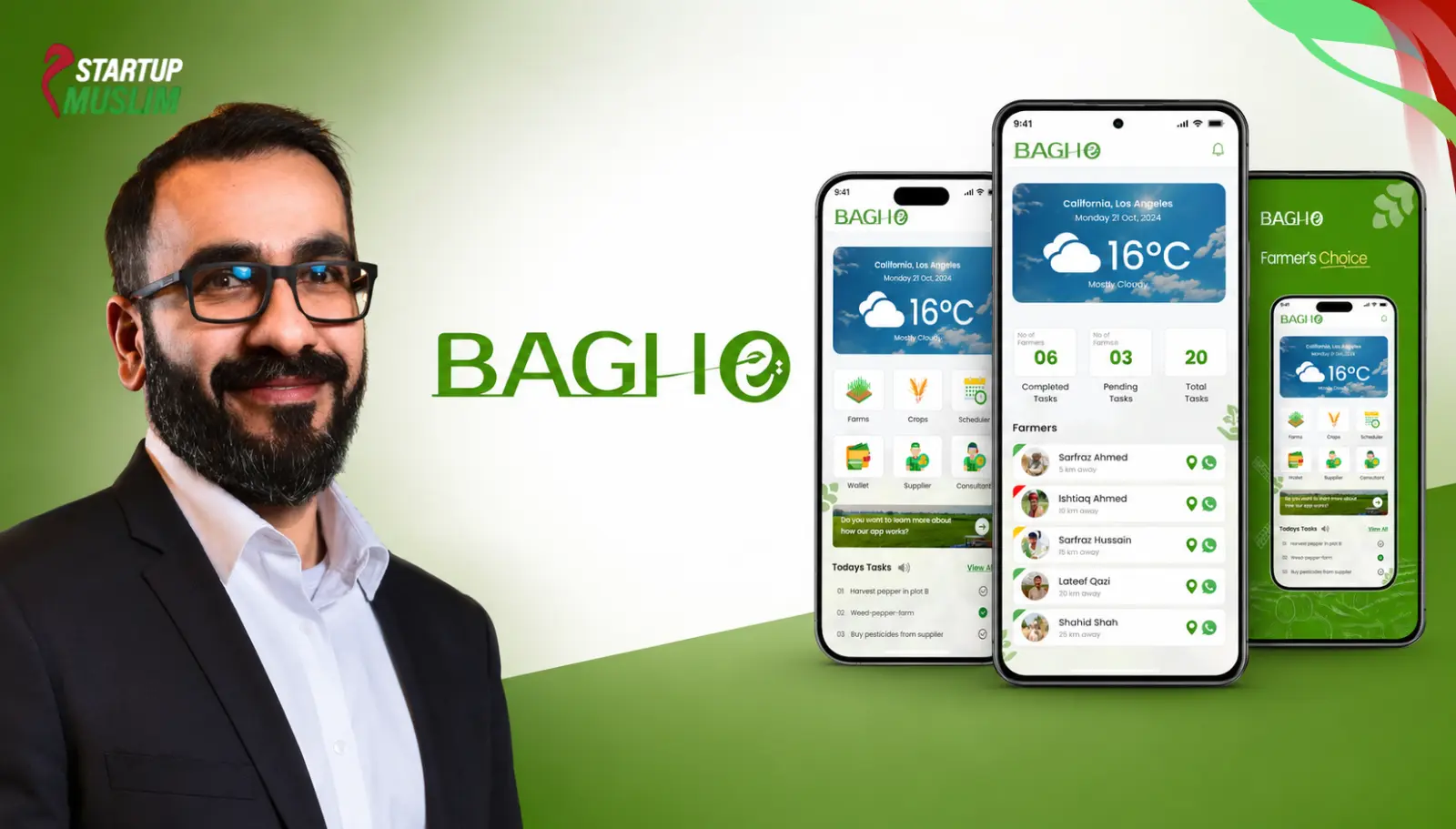
It was inside the Harvard Innovation Labs that Bagh-e began taking shape. Instead of building another fintech focused solely on credit, Mujtaba envisioned something much more ambitious—a platform that would combine Islamic finance, agronomy, technology, and market access into a single ecosystem designed around one objective: helping farmers earn more.
Building an Ecosystem Instead of Another Lending Platform
Unlike conventional agricultural lenders, Bagh-e starts with a simple premise: financing alone does not solve farmers’ problems.
“When people hear financial inclusion, they often think about loans,” Mujtaba explains. “But financing without guidance doesn’t necessarily improve outcomes.”
That philosophy has shaped every aspect of Bagh-e’s business model.
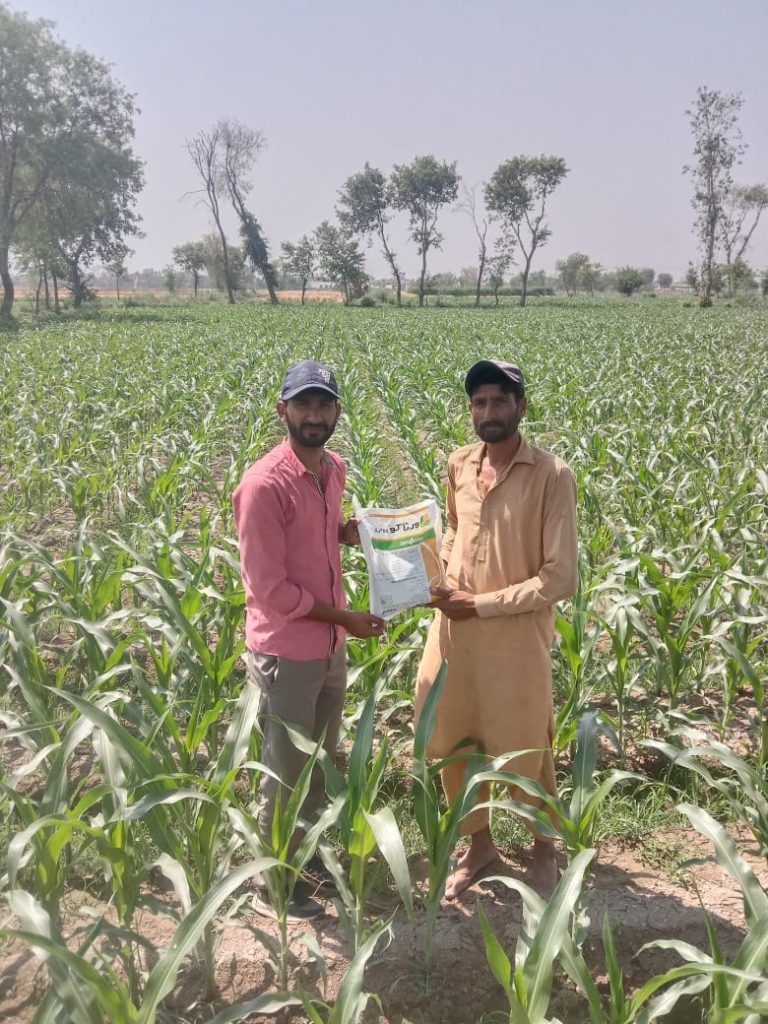
When a farmer joins the platform, Bagh-e first collects three critical pieces of information: the geolocation of the farm, soil characteristics, and water availability. Combined with seasonal data, this information enables the platform to recommend the crops most suitable for that specific plot of land. Once the farmer selects a crop, Bagh-e generates a personalized week-by-week cultivation plan that outlines everything from land preparation and irrigation schedules to fertilizer application and crop management.
The financing process is equally structured. Rather than providing unrestricted cash, Bagh-e uses a ring-fenced financing model. If a farmer requires fertilizer during a particular week of the growing cycle, the platform generates a QR code that can only be redeemed at approved agricultural suppliers for the exact quantity of inputs recommended. This ensures financing is used precisely as intended while minimizing misuse and improving productivity.
Technology, however, is only one part of the equation. Every farmer is paired with an agricultural expert who monitors progress throughout the crop cycle, conducts periodic field visits, and provides practical advice whenever challenges arise. At harvest time, Bagh-e aggregates produce from multiple farmers and negotiates with larger buyers, helping farmers secure stronger prices than they could individually. Under its partnership-based model, approximately 70–80% of the profits flow back to the farmer.
This integrated approach reflects Mujtaba’s belief that financing, agronomy, and market access cannot be separated.
He compares solving only one of these challenges to “having a sports car with only one wheel.” No matter how powerful the engine may be, progress remains impossible unless every component works together. Perhaps the most distinctive feature of Bagh-e is its Shariah-compliant partnership model.
Unlike conventional agricultural loans, where lenders earn fixed interest regardless of whether farmers succeed or fail, Bagh-e participates in the crop cycle alongside its farmers. If yields improve and profits increase, both parties benefit. If challenges arise, the company shares in the outcome rather than transferring all the risk to the farmer.
This alignment fundamentally changes the relationship between financier and farmer. Instead of maximizing loan repayments, Bagh-e is incentivized to maximize agricultural success.
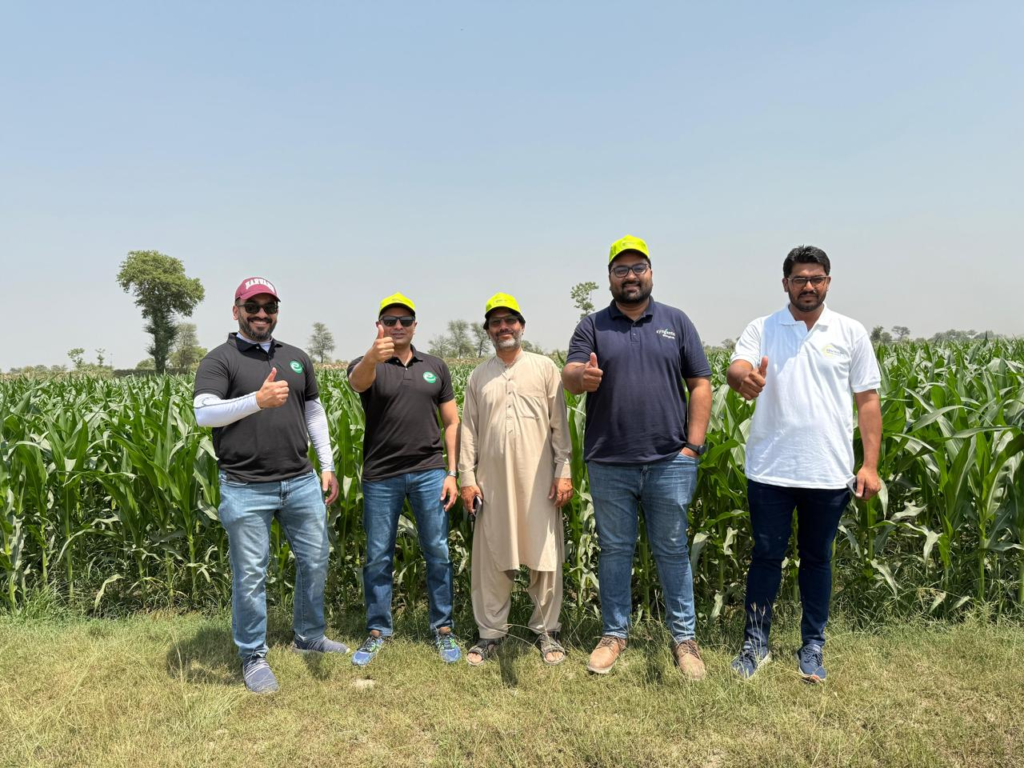
That philosophy has already attracted partnerships with international agricultural leaders including Syngenta and Cargill, while pilots covering approximately 400 acres across Punjab have helped validate the company’s model. Bagh-e has also received industry recognition by winning the Climate Resilience category of the Global Impact Challenge organized by Bank Negara Malaysia, while securing second place among nearly 2,600 Pakistani fintech startups at Allied Bank’s Financial Innovation Hackathon.

Building the Future of Shariah-Compliant Digital Agriculture
While Bagh-e is fundamentally a technology company, Mujtaba believes its greatest challenge has never been technology itself.
It has been trust. Building products for rural communities requires understanding how farmers think, make decisions, and evaluate risk—lessons that cannot be learned in boardrooms or classrooms.
“I often say I learned things in the fields of Punjab that they definitely do not teach at Harvard,” he reflects.
His experience has reinforced an important principle: financial inclusion begins with clarity.
Farmers do not need complicated financial terminology or sophisticated technological explanations. They need to understand exactly how a product works, what it costs, how it benefits them, and what they can realistically expect in return. That philosophy shapes the design of Bagh-e’s platform, where complex agronomic and financial processes are translated into simple, step-by-step actions farmers can easily follow.
Looking ahead, Mujtaba is optimistic about the role emerging technologies such as artificial intelligence, satellite imagery, and precision agriculture will play in transforming farming across emerging markets. Yet he remains pragmatic. Sophisticated technology will only succeed if it becomes affordable enough for smallholder farmers and remains largely invisible to them.
“The farmer doesn’t need to understand AI,” he explains. “They simply need practical advice at the right moment.”
Over the next two years, Bagh-e plans to expand the number of farmers and acres served while strengthening partnerships with banks, agricultural suppliers, buyers, and government institutions. Beyond Pakistan, the company also intends to explore expansion into other countries where smallholder farmers face similar challenges around financing, productivity, and market access.
Ultimately, however, Mujtaba’s vision extends beyond building another successful agritech company. He wants Bagh-e to become the leading Shariah-compliant digital agriculture platform serving millions of farmers across emerging markets—not because of the recognition such a title might bring, but because of the lives it could transform. If farmers can access fair financing, better agricultural practices, and stronger markets, the impact will ripple through families, rural communities, national food security, and entire economies.
For Mujtaba, entrepreneurship is not simply about building technology. It is about restoring dignity to some of the world’s most underserved communities and proving that Islamic finance can be a powerful catalyst for inclusive economic development. The rest, as he says, he leaves in the hands of Allah.
