
Saudi Arabia’s artificial intelligence ambitions are increasingly moving beyond compute and infrastructure toward a more practical question: how can AI understand and operate within the language, documents and workflows of the region?
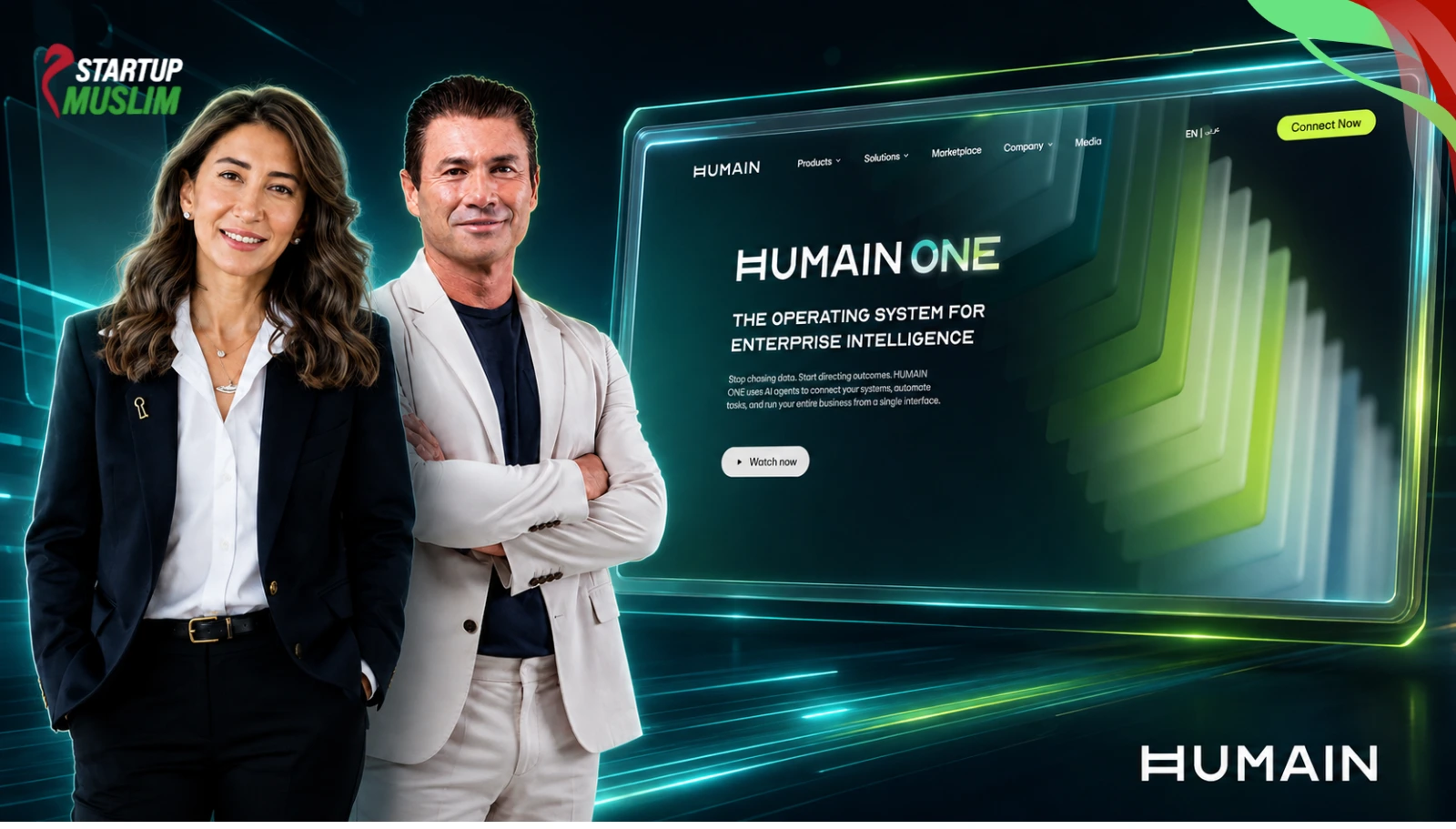
That question is at the center of a new strategic investment and partnership between HUMAIN, Arabic.AI and Tarjama. Announced on September 1, the collaboration combines HUMAIN’s AI infrastructure, computing capabilities and advanced models with Arabic.AI’s Arabic-first translation and document intelligence technologies and Tarjama’s more than 18 years of language technology and enterprise delivery experience.
The financial terms of HUMAIN’s investment were not disclosed. The stated objective, however, is clear: accelerate the deployment of Arabic and multilingual AI solutions among Saudi enterprises and eventually take those capabilities into international markets.
From Arabic Language Technology To Enterprise AI
Arabic remains one of the more challenging languages for enterprise AI, particularly when organizations need accuracy, consistency, regulatory controls and domain-specific understanding rather than general-purpose conversational capabilities.
Arabic.AI has built its technology around that challenge. Its platform includes an Arabic-first translation management system, Arabic translation models and document intelligence capabilities designed to be embedded directly into enterprise workflows. Tarjama, meanwhile, brings nearly two decades of language technology and enterprise delivery experience to the partnership.
HUMAIN brings a different but complementary layer: locally operated AI infrastructure, advanced compute and AI models. Together, the companies are positioning the partnership as a way to move Arabic AI from experimentation into production environments faster.
Three Enterprise Applications
The initial collaboration will focus on three areas with immediate relevance to large organizations.
The first is translation management. Arabic.AI’s Cleverso platform is designed to provide organizations with an Arabic-first environment for managing translations, including controlled glossaries, translation memory and greater control over linguistic assets. The goal is to replace fragmented translation processes with a centralized technology layer that can operate across an enterprise.
The second is archive digitization. The technology is designed to transform legacy documents, records and media into searchable Arabic knowledge, including the ability to process handwritten and degraded material. For organizations holding decades of historical records, this could turn archives from static repositories into usable information assets.
The third is document intelligence. AI agents will be developed to read, analyze and assist with contracts, tenders and regulatory filings, including clause-level extraction and automated compliance checks, while retaining human oversight.
A Strategic Fit For Saudi Arabia
For Saudi Arabia, the partnership fits into a much broader push to establish capabilities across the entire AI stack. HUMAIN has been building infrastructure and AI capabilities designed for deployment in Saudi Arabia and international markets, while the Kingdom continues to invest heavily in digital infrastructure and AI. Just one day before this announcement, HUMAIN announced a partnership with DataVolt to develop an initial 100-megawatt data center at Oxagon in NEOM.
The Arabic.AI investment adds an important application layer to that strategy. Rather than treating Arabic as simply another language that global AI systems need to support, the partnership is focused on building technology around the specific requirements of Arabic-speaking enterprises.
“Arabic Is Where Enterprise AI Is Tested Hardest”
Tareq Amin, CEO of HUMAIN, said the partnership is intended to combine HUMAIN’s full AI stack with the language expertise of Arabic.AI and Tarjama to deliver reliable, production-ready tools for translation, document intelligence and multilingual AI.
“Arabic remains one of the most complex and important languages for enterprise AI to serve effectively,” Amin said.
Nour Al Hassan, Founder and CEO of Arabic.AI, described the opportunity even more directly, saying: “Arabic is where enterprise AI is tested hardest, and it is what we have built for.” She said the partnership will bring Arabic.AI’s platform, products and expertise directly to Saudi enterprises.
From Ambition To Production
The companies plan to work initially with early enterprise customers in Saudi Arabia, with the first solutions unveiled at LEAP 2026.
For Arabic.AI, the partnership provides access to HUMAIN’s infrastructure and a powerful channel into the Saudi enterprise market. For HUMAIN, it brings specialized Arabic-language technology and years of enterprise implementation experience into its growing AI ecosystem.
The significance therefore extends beyond a single investment. It represents a bet that the next generation of enterprise AI in the Arab world will require more than powerful models—it will require AI that understands the language, records, regulations and workflows of the organizations using it. And Saudi Arabia increasingly wants to build that capability at home.
