
From Building the First Local Solution to Defining the Next Category
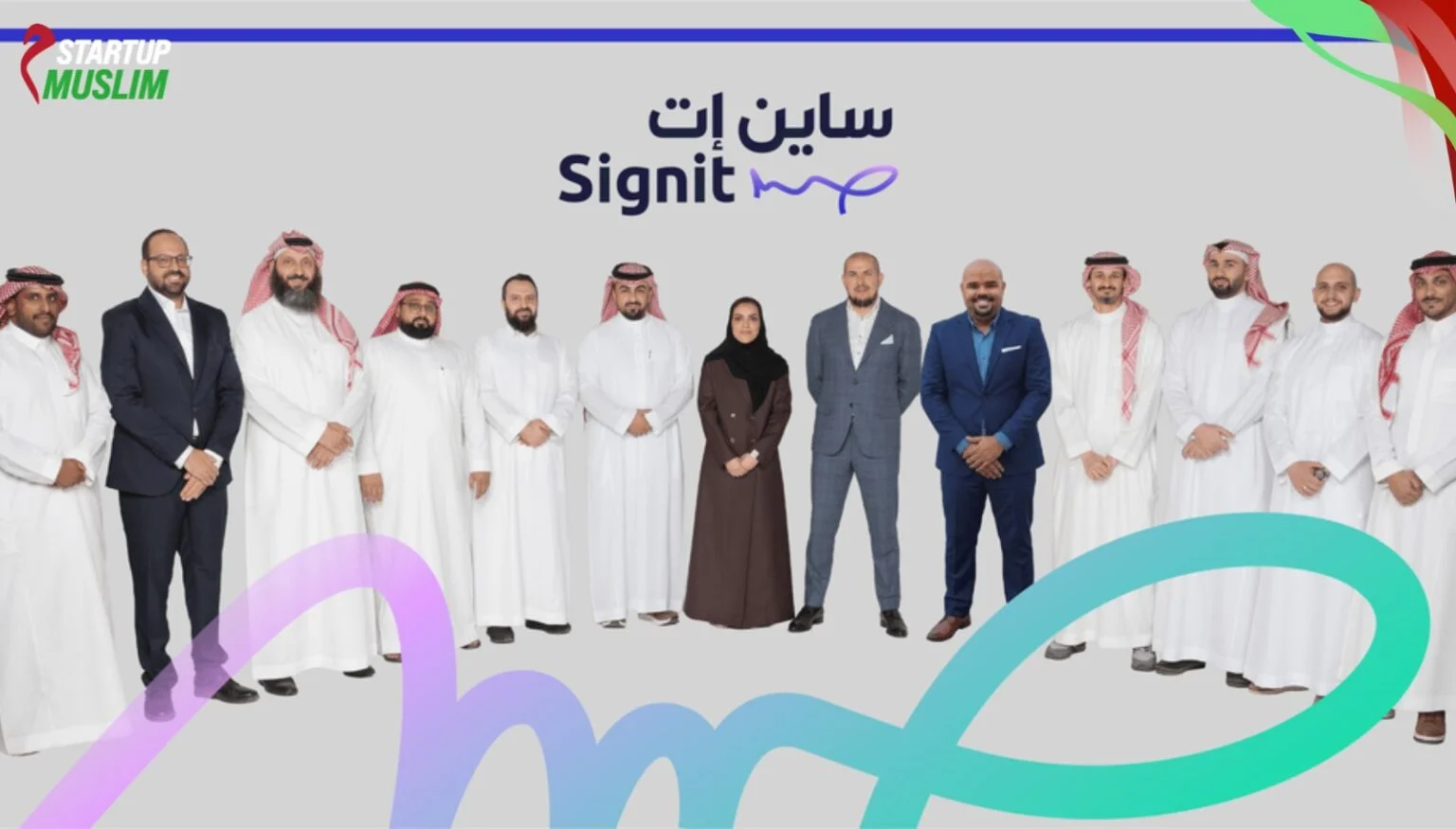
Saudi-based technology company Signit has raised $15 million in a Series A funding round as it looks to expand its role in the Kingdom’s digital infrastructure. The round was led by Raed Ventures, with participation from STV, Seedra Ventures, Takamol Ventures, and Suhail Ventures.
Founded in 2021, Signit entered the market at a time when organizations in Saudi Arabia had limited options for digital signatures. Most relied on international platforms that lacked Arabic support, local compliance, and data sovereignty. Others depended on white-labeled solutions that were not designed specifically for the region. Signit addressed this gap by building a platform tailored for Saudi Arabia from the ground up.
Today, the company serves more than 700 customers across government, financial services, healthcare, and enterprise sectors. It is also licensed as a Trust Service Provider by the Saudi Digital Government Authority, placing it within a regulated framework that supports secure and compliant digital transactions.
Expanding Beyond Signatures to Full Contract Lifecycle
From the beginning, Signit’s vision extended beyond digital signatures. While signing is a critical step, it represents only a small part of the overall contract process. The real inefficiencies lie in drafting agreements, negotiating terms, managing approvals, tracking obligations, and maintaining compliance.
“We always knew signing was just one step,” said Mohamed El Abbouri, Co-Founder and CEO of Signit. “The biggest losses happen around the contract, not at the moment of signature.”
With its Series A funding, the company is expanding into AI-powered Contract Lifecycle Management. The goal is to provide organizations with a unified platform that handles the entire lifecycle of a contract, from creation and negotiation to execution and ongoing management.
AI as a Core Foundation
A defining aspect of Signit’s approach is how it integrates artificial intelligence into its platform. Instead of adding AI as a feature, the company is building its system with AI at the core.
The platform is designed to function as an intelligent contract assistant. It can draft agreements, review clauses, assist in negotiations, track obligations, and identify potential risks. Automated workflows are handled by AI systems while human decision-makers remain in control. “AI is what made this vision scalable,” said El Abbouri. “Not as an add-on, but as the foundation of how the product works.”
Investors view this approach as a key differentiator. Omar Almajdouie, Founding Partner at Raed Ventures, noted that Signit has already built a strong e-signature business and is now positioned to define the next phase of the market. Dr. Mazin Alzaidi, General Partner at STV, added that applying AI at the core of contract management systems places the company in a strong position to lead the next generation of enterprise platforms.
Building in a Market Ready for AI
Signit’s growth aligns with Saudi Arabia’s broader push toward digital transformation and artificial intelligence. The Kingdom has declared 2026 as the Year of AI, signaling a national focus on building advanced technology infrastructure.
For Signit, this alignment reinforces both timing and direction. The company operates within a regulatory framework supported by the Digital Government Authority, which plays a key role in enabling the adoption of secure digital trust services across sectors.
The combination of government support, regulatory clarity, and increasing demand for digital solutions creates a strong foundation for companies operating in this space.
Strengthening the Infrastructure of Trust
In addition to expanding its product capabilities, Signit plans to invest in strengthening its certificate infrastructure. This layer ensures that every digital signature remains legally binding and compliant with local regulations.
In sectors such as government and financial services, trust and compliance are critical. By reinforcing this infrastructure, Signit is positioning itself not just as a software provider, but as a core component of the digital trust ecosystem.
Scaling Toward Enterprise Adoption
Since its launch, Signit has achieved early traction by serving organizations that require high levels of reliability and compliance. Its adoption across regulated industries reflects both the strength of its product and the relevance of its solution.
With the new funding, the company plans to expand its AI capabilities, scale its platform across Saudi Arabia and the broader region, and continue refining its contract management solutions. Its long-term ambition is to become the default contract platform for enterprise and government organizations in Saudi Arabia.
A Shift in How Contracts Are Managed
Signit’s evolution reflects a broader transformation in enterprise software. Traditionally, contract management has been fragmented, with different stages handled across separate tools and systems.
This fragmentation often leads to inefficiencies, delays, and increased risk. By integrating the entire lifecycle into a single platform powered by AI, Signit is addressing these challenges at a structural level.
Contracts are no longer just documents to be signed and stored. They are becoming dynamic systems that influence operations, compliance, and decision-making.
As organizations continue to digitize their workflows, platforms that combine intelligence with trust are likely to define the next phase of enterprise infrastructure. Signit is positioning itself at the center of that shift.
