


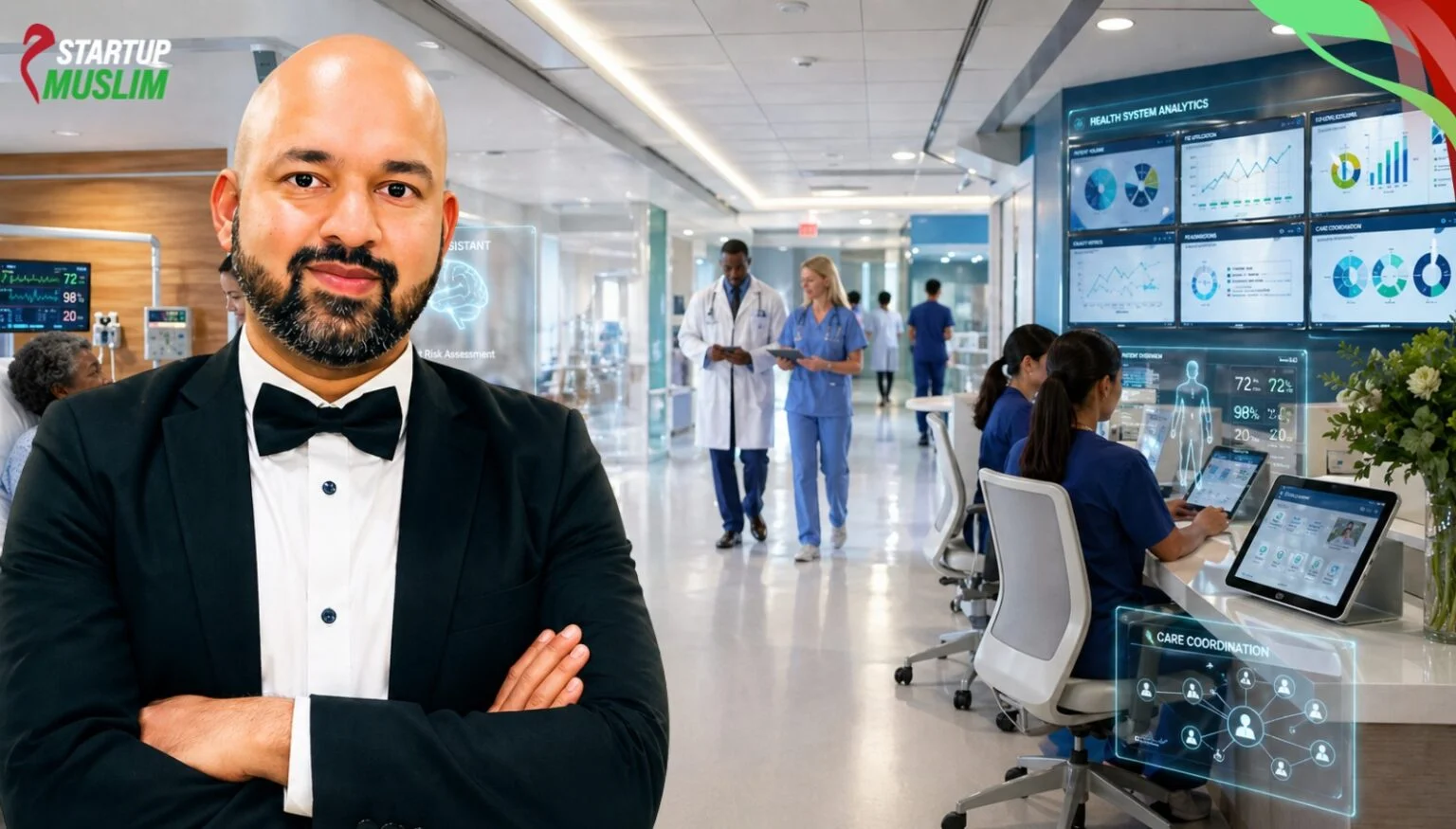
In healthcare, the gap between clinical excellence and operational efficiency is rarely discussed—but it is consistently felt. Providers trained to deliver care spend significant portions of their time navigating billing systems, managing patient follow-up, and addressing administrative gaps that compound quietly in the background. Revenue is lost not through clinical failure, but through operational friction.
For Ibraz Shaikh, this was not an abstract observation. It was something he witnessed firsthand, across more than 15 years of working inside hospitals, clinics, and healthcare organizations throughout the United States. MedSync365 and SurgiCore Medical Group were built from that experience.
A Career Shaped by Both Sides of Healthcare
Shaikh’s entry into healthcare came through pharmacy. Holding a Bachelor’s degree in the field, he began his career in clinical environments before moving into medical device sales, healthcare software, and eventually revenue cycle management.
This trajectory gave him an uncommon vantage point—one that sat at the intersection of patient care and business operations. Where many professionals develop expertise in one or the other, Shaikh spent years developing fluency in both.
“Over the years, I have worked closely with physicians, hospitals, and healthcare organizations in the U.S., gaining deep insight into both patient care and healthcare business operations,” he explains.
What that insight revealed was consistent: providers were not struggling because of poor care. They were struggling because the systems surrounding that care were fragmented, outdated, and poorly integrated.
Identifying the Operational Gap
The problems Shaikh observed were not rare edge cases. Billing inefficiencies leading to denied claims. Patient engagement strategies that amounted to little more than appointment reminders. Marketing functions managed informally, if at all. Technology systems that existed in silos rather than working in coordination.
Individually, each issue was manageable. Collectively, they created a structural drag on how practices operated and grew. “Healthcare providers excel clinically but often struggle operationally,” Shaikh notes. “Billing inefficiencies, poor patient engagement, and lack of technology integration were problems I kept encountering, regardless of the size or type of organization.”
The absence of a coherent, integrated solution—one that addressed billing, marketing, and patient engagement together rather than separately—became the foundation for what he would go on to build.
Building an Integrated Response
MedSync365 was designed to bring these functions under one operational framework. The company offers services across medical billing, healthcare marketing, and AI-powered patient engagement—with the underlying premise that these areas are interdependent and most effective when managed together.
The AI-powered engagement layer is central to this offering. By automating patient communication, follow-up workflows, and appointment management, the platform aims to reduce administrative burden on clinical staff while ensuring that the touchpoints between visits are not left to chance.
SurgiCore Medical Group operates alongside MedSync365, extending Shaikh’s presence into the direct delivery side of healthcare—reflecting an approach that is as much about building care infrastructure as it is about supporting it.
“The most exciting part is the impact,” he says. “Helping clinics grow, improve patient care, and operate efficiently creates a ripple effect in healthcare.”
The Cost of Starting in a New Market
Shaikh’s path to building these companies was not without friction. An early expansion into the Dubai market exposed the practical difficulties of establishing a service business in an unfamiliar environment—higher operating costs, longer sales cycles, and referral networks that had to be built largely from scratch.
“Starting in a new market like Dubai with high costs and slower initial traction was challenging,” he acknowledges. “I overcame it through persistence, adapting strategies, and strengthening referral networks.”
The experience reinforced an approach to growth that prioritizes steady iteration over aggressive expansion—a disposition that now shapes how both MedSync365 and SurgiCore are being scaled.
Looking ahead, Shaikh’s plans are dual-track: scaling service operations across the U.S. market, where demand for outsourced revenue cycle and patient engagement solutions continues to grow, while developing specialized healthcare centers in the UAE.
Values as a Way of Operating
Shaikh describes his leadership philosophy in terms that center on trust and long-term relationship building—principles he views as inseparable from effective business practice, particularly in an industry where providers are entrusting outside partners with their revenue and their patient relationships.
Honesty, transparency, and consistency, he says, are not aspirational values—they are operational ones. They determine who he hires, how he structures client relationships, and which opportunities he pursues.
For younger entrepreneurs navigating the early stages of building, his guidance is grounded in the same principles. “Stay sincere in your intentions, be patient, and never compromise your values,” he says. “Barakah comes from doing things the right way. Invest in relationships—they are key to long-term success.”
A Legacy Defined by Impact, Not Scale
When Shaikh speaks about what he hopes to leave behind, the conversation shifts away from business metrics. “I want to build impactful healthcare systems that empower providers and improve patient care,” he says. “Personally, I hope to be remembered as someone who operated with integrity, helped others grow, and stayed true to his principles.”
MedSync365 and SurgiCore Medical Group are still in their early stages. Client outcomes have not yet been publicly disclosed, and the fuller scale of Shaikh’s vision remains ahead of him.
But the problem he has identified is real, the experience he brings is substantive, and the approach he has taken is deliberate. In a sector that has seen many promises of transformation, that may be the most credible place to start.
