


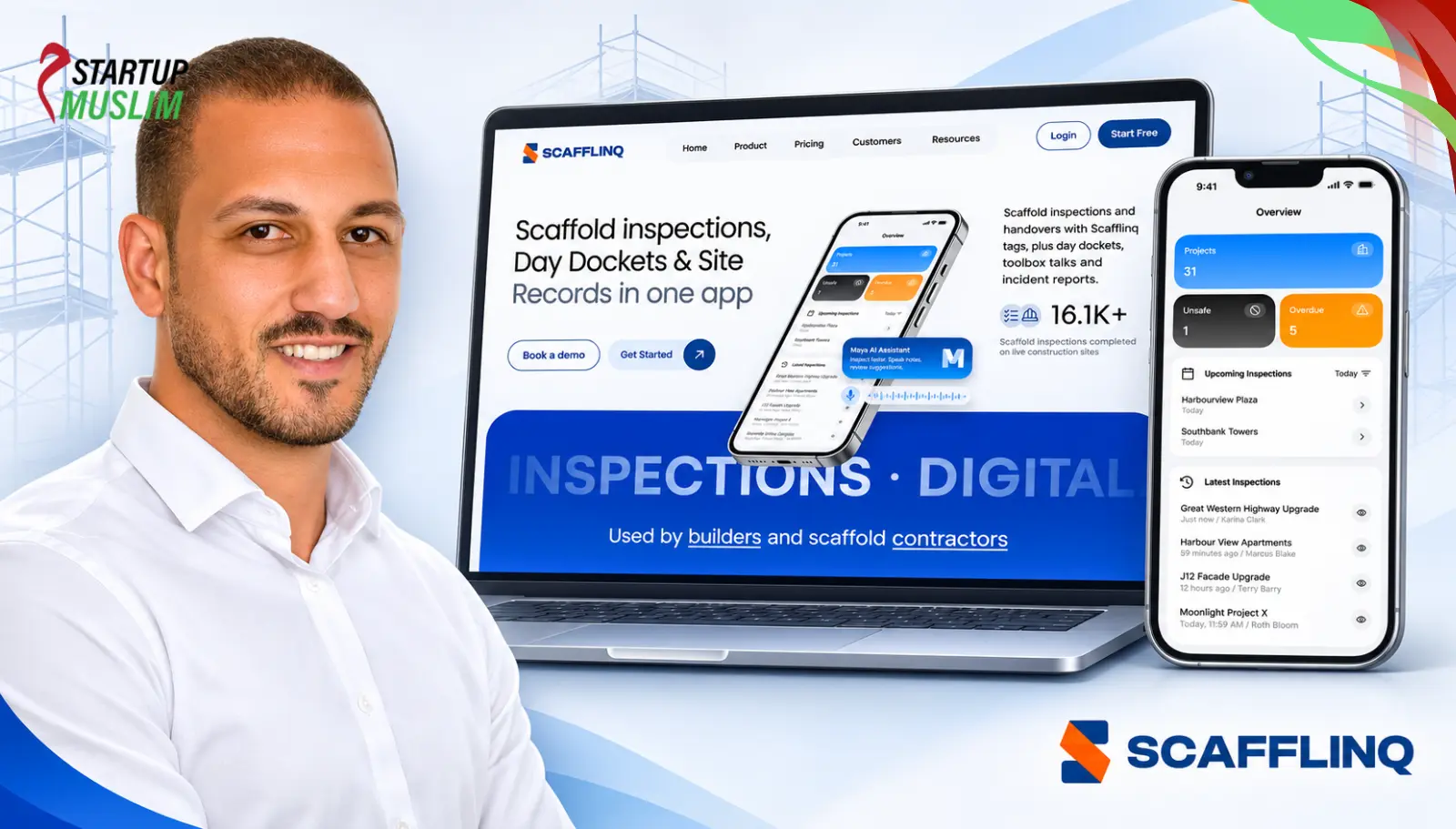
After more than 15 years in technology and startups, Mohamad Ali is bringing digital inspections, QR-coded tags and AI-powered tools to an industry that still relies heavily on paperwork, plastic tags and WhatsApp messages.
On a construction site, a scaffolding tag may look like a small piece of plastic attached to a metal structure. But behind that tag is information that can have serious consequences: when the scaffold was last inspected, whether it is safe to use, who carried out the inspection and what issues need attention. For decades, much of this information has been managed through handwritten tags, clipboards, spreadsheets and photographs shared between site teams. While construction technology has advanced in many areas, scaffolding operations have continued to depend on processes that can make it difficult to access complete and up-to-date records.
Mohamad Ali saw an opportunity in this gap. After spending more than 15 years working in technology and startups, including property and construction technology, he founded Scafflinq to connect physical scaffolding structures with the digital records behind them. The Australian company is building a platform that brings inspections, compliance documents and everyday scaffold management into one place. His ambition is straightforward. Make managing scaffolds through disconnected paperwork and plastic tags feel outdated.
From Technology Startups to Construction
Ali studied at the University of Sydney and built his career across technology companies at different stages of growth. His experience ranged from being the first engineer working alongside a startup founder to helping established startups expand their engineering teams. These roles gave him exposure to the different challenges businesses face as they move from an early idea to a growing operation. One lesson shaped his approach to building technology. Before writing code, he wanted to understand the problem and the people dealing with it. That meant working closely with product, customer success and marketing teams, as well as speaking directly with customers. He learned that good technology is not simply about building more features. It is about understanding what people need and making their work easier.
Before Scafflinq, Ali led engineering teams at Archistar, where he experienced the pace and uncertainty of a growing startup. There was always another product to develop, another deadline and another change in priorities. The experience taught him to keep returning to the problems customers needed solved and to value people who communicate well, make sound decisions and work together. These lessons would become central to how he approached Scafflinq, particularly his preference for keeping the business lean and ensuring that everyone understands what the company is building and why.
An Industry Still Buried in Paperwork
Ali’s exposure to property and construction technology gave him an opportunity to observe scaffolding operations more closely. What stood out was the amount of information scattered across different systems and formats. Plastic tags, handwritten notes, spreadsheets, photographs and WhatsApp groups were all being used to manage information that needed to be available to people across a project. A traditional scaffold tag might indicate when a structure was last inspected, but it does not necessarily provide access to the complete inspection history, photographs, handover documents or details of the people responsible. Meanwhile, office teams often have to chase paperwork from different sites just to understand the current status of their scaffolds.
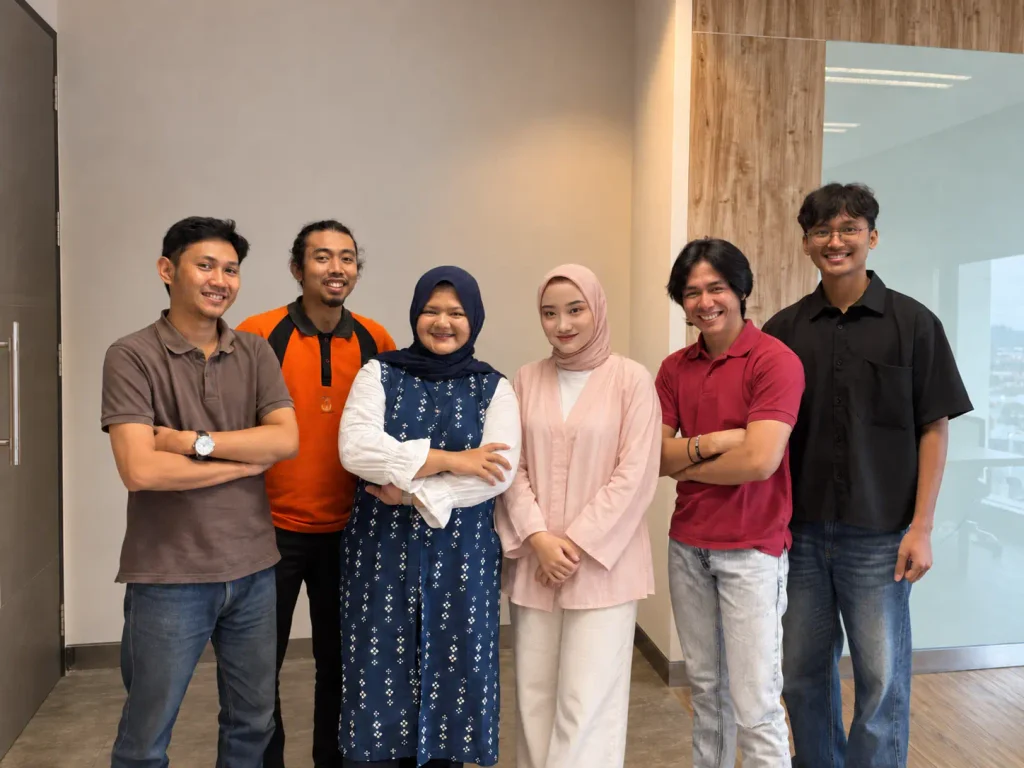
This creates an information gap between what is happening on the construction site and what management can see from the office. Important records can be difficult to locate, and keeping information updated across multiple projects can become an administrative burden. Ali saw an opportunity to address this problem through a connected digital system. Scafflinq was built around a simple idea: connect the physical scaffold to the information and records associated with it.
Building a Digital Platform Around Site Operations
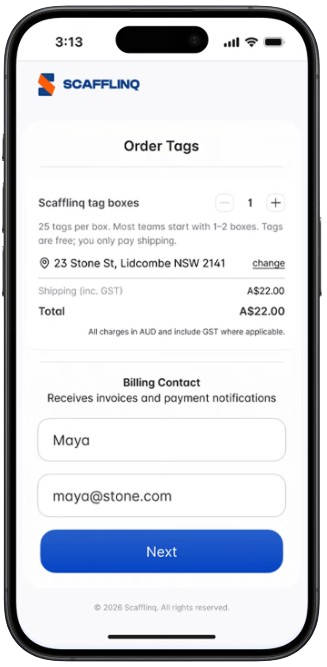
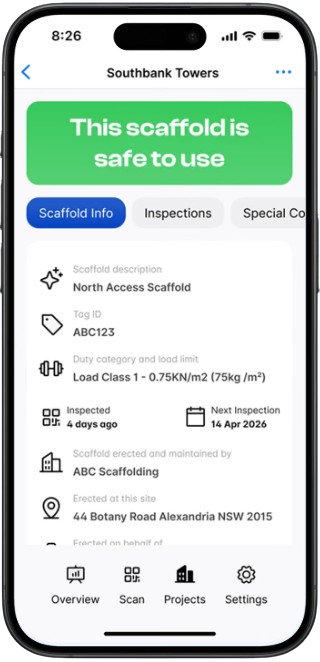
Scafflinq began with digital tags, inspections and compliance records. Its QR-coded tags allow site personnel to scan a scaffold and access its recorded safety status and relevant documents. Inspections can include checklists, photographs, notes, timestamps and digital sign-offs, creating a record of who checked what and when. However, conversations with contractors revealed that scaffold management involved much more than inspections. Teams also had to deal with handovers, toolbox talks, incidents, day dockets, variations and tie movements. These activities generated additional paperwork and created opportunities to improve how information was recorded and shared.
The company responded by expanding the platform. It introduced Site Records, custom inspection checklists and additional tags for scaffolds with multiple access points. Rather than deciding what contractors needed from behind a desk, Ali and his team used feedback from people working in the industry to guide product development. This approach reflects a broader belief that construction technology must fit into the way site teams actually work. A platform that adds another layer of administration is unlikely to gain acceptance. The technology has to reduce friction rather than create more of it.
Early Traction Across Australia and the UK
Scafflinq’s latest figures, as of November 10, 2026, offer an indication of the platform’s adoption. The company has 26 active customer companies across Australia and the UK, managing 963 active scaffold tags. Across its customer base, the platform has supported 4,222 projects and recorded 16,017 completed inspections. One particularly useful indicator is customer retention. Of the 13 customers who paid for tag usage in October 2025, 12 also paid in October 2026. That represents a 92.3% retention rate for this group. Payments received for tag usage also grew by 126.7% over the same period. These figures suggest that some contractors are moving beyond initial trials and incorporating the platform into their regular operations. Ali says one of the most encouraging developments is seeing customers progress from using Scafflinq on a handful of scaffolds to making it part of their normal working day.
The company is careful about the claims it makes regarding business impact. Scafflinq provides access to inspection records, safety status and upcoming inspection information in one place, reducing the need to collect paperwork from different sites. However, Ali says the company is still gathering customer evidence on time savings, productivity improvements and safety outcomes. He does not want to claim results that have not been independently measured. Digital records can support better processes, but they do not replace competent inspectors or safe working practices.
Bringing AI Into Scaffold Inspections
Scafflinq’s latest development is Maya, an AI-powered Inspection Assistant designed to make the inspection process easier. An inspector can talk through what they are seeing, and Maya suggests checklist answers, notes and potential issues for the inspector to review. The idea is to reduce the time spent filling out forms while allowing inspectors to focus more on the work itself. It is a practical application of AI in an industry where many routine tasks still involve manual data entry and documentation.
Ali is careful about the limits of the technology. Maya does not replace the inspector, who remains responsible for reviewing the suggestions and making the final decisions. For him, one of the biggest risks of AI adoption is people allowing technology to take over their critical thinking. His approach is less about adding AI to a product for marketing purposes and more about identifying tasks where it can make a measurable difference. Further down the track, he sees opportunities to use AI and automation to analyse records, identify patterns and help contractors understand which issues need attention earlier.
Taking an Australian Construction Technology Business Global
Australia remains Scafflinq’s home market, while the company is already working with customers in the UK. It is also exploring opportunities across Europe, North America and the Middle East. Ali says international expansion requires an understanding of local industry needs and relationships with people who know those markets. Industry partnerships are an important part of this strategy. Scafflinq is a Silver Sponsor and member of the Scaffolding Association Australia, which has helped the company connect with contractors and introduce its platform to the industry. In the UK, it is exploring local distribution partnerships that could make physical tags more accessible to customers while reducing shipping costs.
For Ali, the long-term ambition is to make Scafflinq the go-to platform for scaffolding businesses, covering inspections, compliance and the everyday work associated with their projects. He wants to replace the disconnected records and manual processes that have been accepted as normal for decades.
Building a company in a traditional industry has also reinforced the personal lessons he has learned over more than 15 years in startups. Good technology, a capable team and a real problem are important, but they do not automatically create a successful business. Founders must also learn to sell, handle rejection, manage commercial decisions and keep listening when customers challenge their assumptions.
Ali’s experience at Sellable is another part of his entrepreneurial journey that he remains proud of, particularly the quality of the people and the way the team worked together. At Scafflinq, he now carries responsibility across technology, product direction, customer relationships and the commercial side of the business. The bigger opportunity lies in changing how an entire industry manages information. For Ali, the future of scaffolding is not just about stronger structures. It is about smarter systems behind every structure, making critical information easier to access and everyday work easier to manage.
