


A company can spend millions hiring talented people, invest in modern offices and offer attractive salaries, yet still struggle to keep its employees engaged. The warning signs are often there. Employees share their concerns in surveys, managers receive reports, and HR teams study the results. But somewhere between understanding the problem and doing something about it, the process breaks down.
Omar Tahboub had seen this gap from both sides of the employment market. After working at Oracle for twelve years, taking on leadership roles at Bayt.com and gaining experience in the technology and commercial sides of business, he understood how organisations operated. But he also recognised that companies needed better ways to understand their people and turn employee feedback into meaningful change.
In 2021, he joined forces with his brother Tareq to establish Engagesoft in Amman, Jordan. What began as an employee listening platform has since evolved into a broader enterprise technology business, with ambitions to use artificial intelligence to help organisations improve how they work.
From Silicon Valley to Building a Company in Amman
Tahboub’s professional journey began in Jordan, where he graduated before joining Andersen Consulting, the firm that later became Accenture. Working on large projects for major clients, he developed an approach that would stay with him throughout his career: understand what customers actually need, pay attention to detail and keep improving until the work is right.
His next move took him to Oracle’s headquarters in Redwood Shores, California. He joined the Arabization team before moving into Oracle E-Business Suite, where he progressed from software developer to managing development teams in the financials division. He spent twelve years at the company, gaining experience in building enterprise software and leading technical teams. Living in Silicon Valley also exposed him to a culture where small teams could develop products used by organisations around the world.
Eventually, family brought him back to Jordan. Wanting their children to grow up closer to their grandparents, Tahboub and his wife returned home. He joined Bayt.com as Vice President of Engineering, but his responsibilities soon extended into product, sales, marketing and demand generation across several countries. It was an important transition for someone whose career had largely been technical.
He later experienced another demanding environment at Syarah, a startup transforming itself from a classifieds business into a transactional platform. These experiences gave him a broader understanding of how companies grow, sell and serve customers. By the end of his time at Bayt, he knew he wanted to build something of his own rather than simply execute someone else’s vision.
The Workplace Problem That Led to Engagesoft
At Bayt.com, Tahboub had spent years close to both job seekers and employers. He saw the excitement of people finding the right opportunity, but also the frustration of talented candidates struggling to get noticed and companies struggling to find the right people. Over time, he began thinking about what happened after the hiring process was over.
Finding a job is only the beginning of the employee experience. Whether people feel heard, supported and motivated often determines how long they stay and how much they contribute. This became the starting point for conversations with his brother Tareq, who shared his interest in building technology businesses with a real impact on the region.
The brothers eventually settled on employee listening. Many organisations already conducted employee surveys, but the process often stopped at collecting responses and producing reports. HR teams might receive detailed dashboards, yet managers responsible for acting on the findings were already dealing with full schedules and competing priorities. Employees, meanwhile, were left waiting to see whether their feedback would lead to any change.
That was the gap Engagesoft set out to address. The company wanted to make it easier for organisations not only to listen to employees, but also to turn what they heard into practical action.
Competing With Global Platforms Through Local Understanding
Entering the enterprise software market was not easy. From its earliest days, Engagesoft targeted large organisations, putting a young company with limited customer references in direct competition with established international technology platforms and consulting firms. Tahboub knew that the business needed a clear reason for customers to take a chance on it.
Its strategy was to combine world-class technology with a strong understanding of the Middle East. For example, an employee in Riyadh might write a comment in Arabic mixed with English. Engagesoft’s analysis is designed to understand that context, while its benchmarking allows companies to compare their results with Saudi and GCC organisations rather than relying only on global averages.
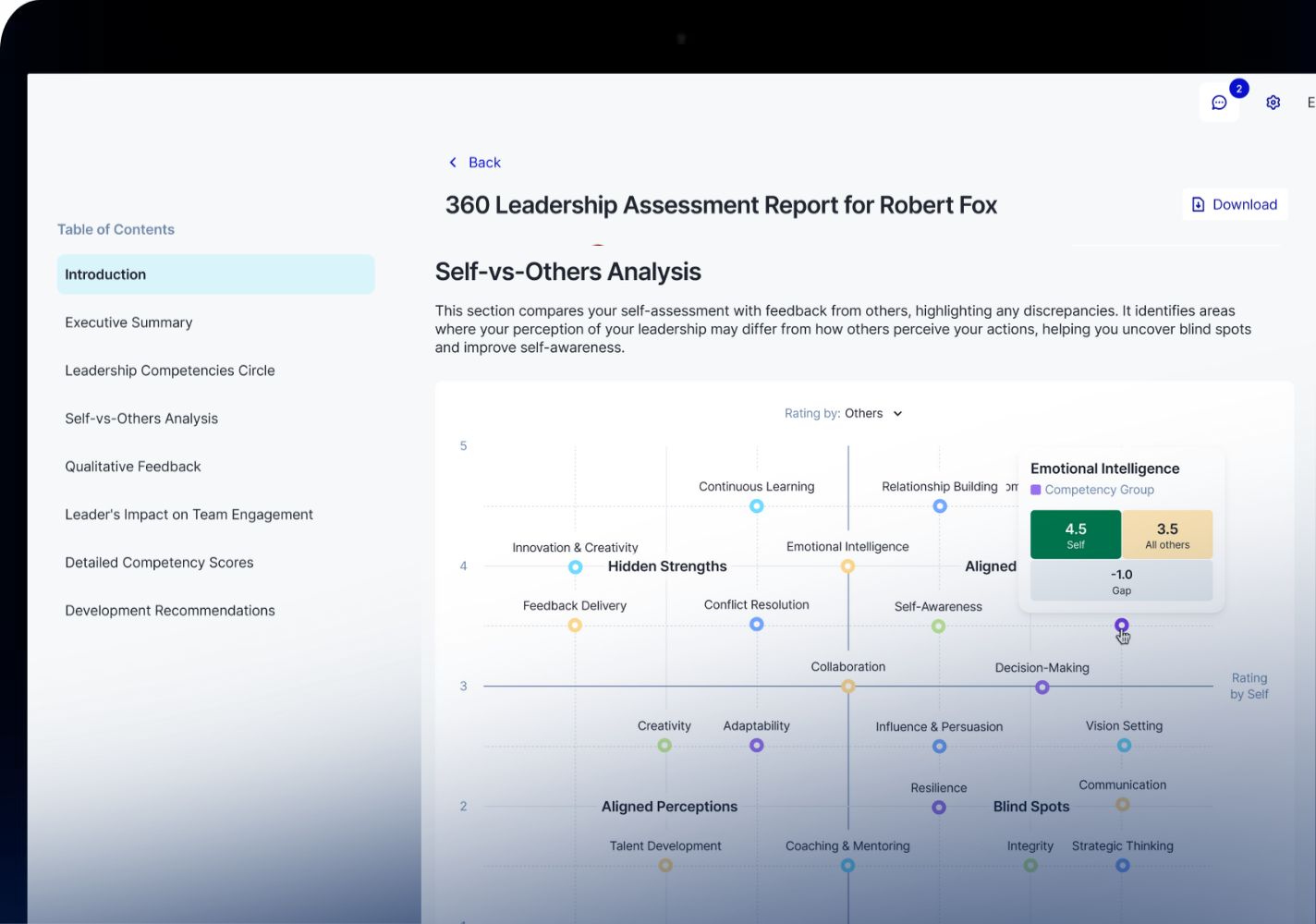
Data residency and local support are also important parts of the proposition. The company offers customers in Saudi Arabia the ability to keep their data in the Kingdom, alongside access to teams that understand their organisations and operate in their time zones. Its platform brings employee engagement, employee experience, 360-degree assessments and performance together rather than spreading these functions across separate systems.
This combination has helped Engagesoft build relationships with major enterprises in the region. Saudi Arabia became a particularly important market, with companies such as Al Rajhi Takaful, Najm and Riyadh Cement among its early customers. Winning these organisations with a small team required persistence, but delivering successfully created the foundation for further growth.
From Rejection to More Than $1 Million in ARR
The early years were defined by sales efforts that did not always produce immediate results. Engagesoft spent considerable time building its pipeline, following up with potential customers and hearing no more often than yes. Its first opportunities came in Jordan, followed by Egypt and then Saudi Arabia, where the company’s approach found a stronger fit with enterprise needs.
One of the turning points came when Zamil Industrial approached the company. The relationship began because someone at Zamil had previously worked with Engagesoft and had a positive experience. The deal became the company’s largest at the time, giving the team confidence that it could serve some of the Kingdom’s most demanding organisations.
The business has since reported more than tenfold growth in annual recurring revenue over an eighteen-month period. This year, its ARR passed the one-million-dollar mark. For Tahboub, however, revenue is only part of the picture. He pays close attention to customer retention, average contract value and customer acquisition cost, believing that renewals offer one of the clearest signs that a product is delivering real value.

He also believes that how a company responds when things go wrong matters enormously. Young businesses will make mistakes, but customers are often willing to work through problems when the company takes responsibility, communicates openly and fixes them quickly. At Engagesoft, that approach has become an important part of building long-term trust.
A $3.5 Million Bet on AI and the Future of Work
Engagesoft’s next stage is supported by a $3.5 million Pre-Series A funding round led by Silicon Badia. Tahboub says much of the investment will go towards hiring, particularly across AI and engineering, followed by enterprise sales and customer success. The goal is to strengthen the platform and expand its ability to serve large organisations.
The company has already moved beyond traditional employee surveys. Its platform can turn survey results into AI-recommended action plans, conduct conversational surveys through text and voice, and identify patterns in employee engagement. It is also preparing to launch an “Ask Your Data” feature that will allow leaders to ask questions about their organisational results using natural language.
Another product in development is an AI manager coach. The idea comes from a simple observation: even when leaders care about employee feedback, finding the time and energy to act on it can be difficult. Tahboub points to the example of Dr. Mohammad Alfagih Hospital in Saudi Arabia, where the head of HR has consistently turned employee survey results into improvements across different roles and departments. He sees this as the kind of work that more organisations should be able to do, even when they do not have someone with the same level of commitment and capacity.
Engagesoft wants AI to help close that gap. Its planned AI agents will use information about an organisation’s culture, values, survey results and employee comments to support different roles, from HR and organisational development teams to senior leaders, line managers and employees. A manager could receive a practical suggestion for improving the team’s experience, then follow up to see whether it made a difference. The company’s ambition is to make employee feedback part of everyday management rather than an annual reporting exercise.
Building a Global Enterprise Technology Company From the Region
Saudi Arabia remains central to Engagesoft’s growth strategy, but the company is also taking its first steps into markets beyond the Middle East. It has established a partnership in Kenya and secured a customer in South Africa. With Silicon Badia’s investment network across the Middle East and the United States, Tahboub sees an opportunity to build a company that can compete internationally while remaining rooted in the region.
Selling enterprise software in the GCC requires patience. Procurement processes can be lengthy, security reviews are detailed, and customers expect strong local relationships and clear data protection arrangements. Engagesoft has established its headquarters in Riyadh to stay close to its customers and the market. Tahboub believes that meeting the expectations of major Saudi enterprises can prepare the company to serve demanding customers anywhere.
Looking further ahead, he sees Engagesoft becoming an AI-powered people and culture platform that supports organisations continuously. Rather than simply reporting how employees feel, it would help companies understand what is happening, recommend actions and support people in different roles as they work towards better outcomes. If successful, the result would be organisations that are more effective and better places to work.
For Tahboub, the ambition also carries a wider meaning. He wants Engagesoft to demonstrate that a company founded in Amman can build enterprise technology that organisations around the world choose to use. His message to young Muslim entrepreneurs is to build ambitious companies at home, create opportunities for local talent and contribute to the communities that helped shape them. The next chapter of Engagesoft will be measured not only by how many organisations use its platform, but by how many become better places to work because of it.
