


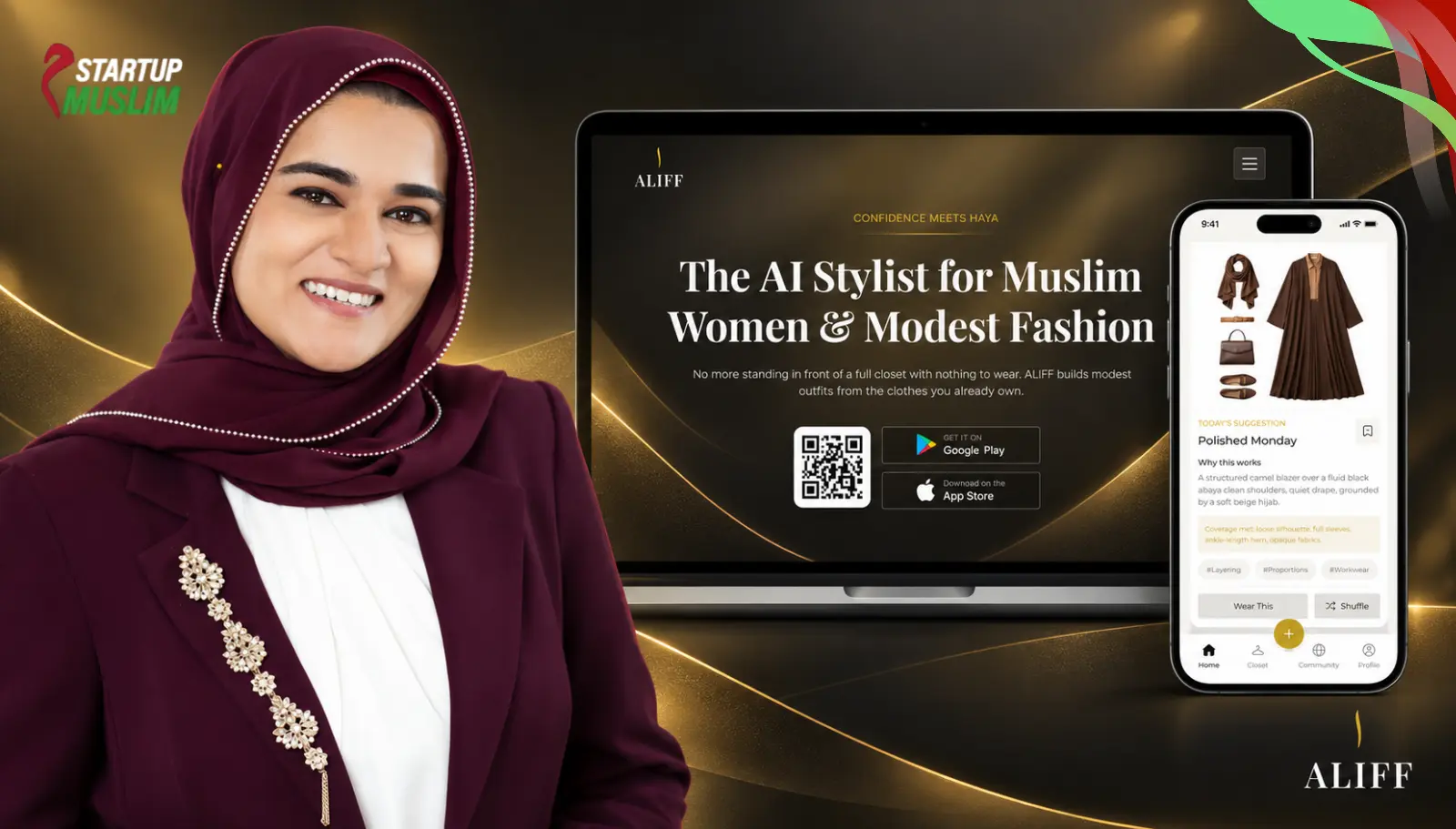
When Khansa Khatoon began wearing hijab, she expected the change to be personal. What she did not expect was how difficult it would be to find a style that felt both modest and fashionable. Living in Dallas, she watched women around her put together polished outfits but struggled to achieve the same look herself. The experience eventually led her to a question that would shape her next chapter: why was there no styling app built around the needs of women like her?
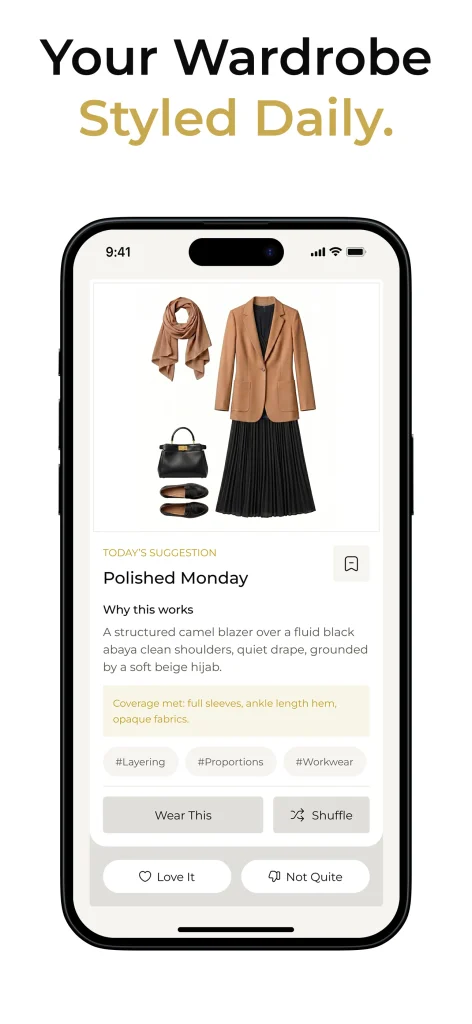
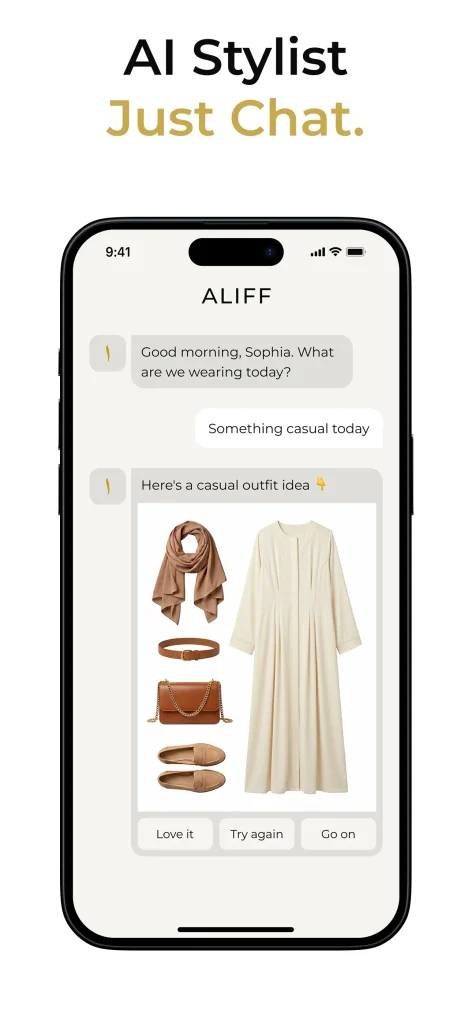
Today, Khatoon is building ALIFF, an AI-powered styling app designed to help Muslim women create outfits from clothes they already own. The platform considers individual modesty preferences, body shape and the settings in which a woman plans to dress. Rather than asking users to change their style to fit the technology, ALIFF aims to make the technology work around them.
The idea came from personal experience, but the ambition extends beyond one woman’s wardrobe. Khatoon wants to build a product that helps Muslim women feel confident in how they dress, while making modest fashion easier to navigate across cultures and countries.
A Personal Journey That Became a Business Idea
Khatoon began wearing hijab around three years ago, towards the end of Ramadan. It was not the result of a long plan. She picked up a hijab, put it on and felt that it was the right decision, but learning how to style her new look took time. The gap between how she wanted to dress and what she knew how to put together became the starting point for ALIFF.
Her travels to Türkiye and Malaysia helped her see the opportunity more clearly. In Türkiye, she was struck by how carefully women dressed in their everyday lives, combining modesty with a strong sense of personal style. In Malaysia, she noticed women taking time to adjust their hijabs after prayer, showing the same attention to how they presented themselves.
Those experiences helped her see modest fashion as more than a question of clothing coverage. It was also about confidence, identity and the freedom to look put together without feeling that modesty limited personal expression.
“I want modesty to be a movement, the way it is for those women.”
For Khatoon, ALIFF became a way to bring that feeling into the daily lives of women who may not have access to the same styling ideas, communities or fashion choices. She wants the app to become part of a woman’s routine, helping her step out of her home feeling confident in what she is wearing.
Building Technology Around the Woman, Not the Other Way Around
Khatoon spent more than nine years working in creative strategy before starting ALIFF. Her interest in the field began during college in Hyderabad, where she directed plays with all-women casts, organised events and handled marketing. Later, in New York, she began working with clients and discovered an eye for photography after stepping in for a missing photographer at a restaurant shoot.
She eventually ran her own creative marketing agency during the COVID period, although the business had to close. The experience taught her to look beyond a product and understand the people using it, including their needs, habits and reasons for making decisions. She brings that same approach to ALIFF, starting with the woman using the app rather than the technology itself.
That focus sets ALIFF apart from general styling tools, which may recommend outfits based on colours or trends without understanding the user’s personal boundaries. Muslim women can have very different ideas about modesty, ranging from relaxed coverage preferences to fully covered styles. What feels suitable in one setting may not feel right in another.
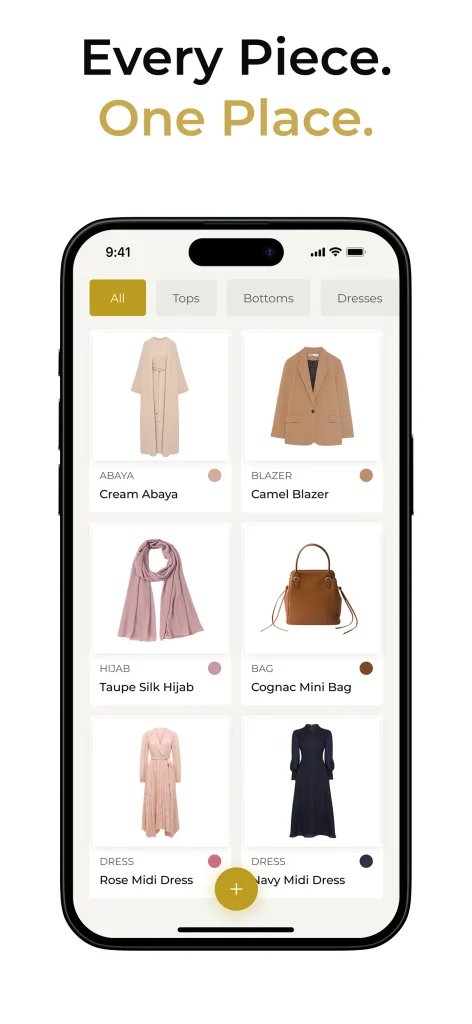
ALIFF allows users to define their preferences and receive outfit suggestions with explanations of how each look fits their chosen level of coverage. It also focuses on styling clothes already in a user’s wardrobe, rather than pushing her towards more purchases.
“We do not want her to change. We are building the product around who she already is.”
Teaching AI What Modesty Actually Means
Turning this idea into a working app has been one of Khatoon’s biggest challenges. As a non-technical founder, she has had to learn enough technical language to explain her vision to an offshore development team and check each stage of the product’s design and development. There have been setbacks, and she says there were days when she wanted to give up.
The most important work, however, was teaching the product to understand modesty. Khatoon created her own system of rules and use cases to help ALIFF consider different coverage preferences and whether an outfit is suitable in different settings, including around mahrams and non-mahrams. She wrote close to 40 use cases and tests the app whenever a new feature is built.
User feedback has also exposed gaps in how AI understands culture. During beta testing, ALIFF struggled with South Asian outfits, treating a kameez as a tunic and leaving out the shalwar. Khatoon worked on teaching the system to recognise the origins and parts of traditional clothing instead of treating every outfit as if it came from the same fashion culture.
The app also evolved in response to requests for greater inclusion. Users can enter their height and weight so the stylist can consider body shape, while a pregnancy setting allows recommendations to account for a changing body. For Khatoon, these changes reflect a basic principle: a useful styling tool must understand the person, not just the clothes.
Early Growth and the Challenge of Earning Trust
ALIFF launched on iOS and Android in the summer of 2026. Khatoon reported more than 640 registered users and seven paying subscribers, with early revenue. Sign-ups grew by 53% from August to September, rising from 168 to 257 new users, while more than 40% of trial users had saved an outfit they liked.
Those figures are early signs of interest, but the company still has to prove that users will return regularly and pay for the service. Khatoon says retention is one of the numbers she is watching most closely. The product asks women to trust AI with something personal: their wardrobe, preferences and ideas about how they want to present themselves.
That trust has shaped the way she approaches growth. ALIFF currently offers a free seven-day trial, and Khatoon has kept marketing organic while testing whether the product can attract users on its own. She is now raising funds to educate more women about how the app works, explain how their data is protected and make it easier for new users to experience its value.
Privacy has already been a challenge. Apple rejected the app three times before Khatoon revised the way its privacy policy was presented and made the information more transparent. The app was eventually approved, reinforcing her belief that privacy must be treated as a responsibility rather than an afterthought.
“Privacy is an amanah for me.”
Building a Business Without Losing the Mission
ALIFF is bootstrapped, and Khatoon has chosen to keep the business lean while working towards a clearer path to growth. Its business model is based on consumer subscriptions, with a special price for the first 500 founding members and a seven-day trial for every woman. She wants users to understand the product before paying for it.
She is also looking for funding and in-house technical leadership to help develop the platform. As the product grows, she plans to introduce partnerships with ethical fashion brands, potentially recommending products when users identify gaps in their wardrobes. The aim is to help women buy what they need, rather than encouraging them to keep adding clothes.
Her plans reflect a wider view of what a modest fashion platform could become. ALIFF could eventually bring styling, brand discovery and community features together, including a way for women to exchange clothes. For now, however, Khatoon wants the product to help women make better use of what they already own.
A Founder’s Vision Beyond the Wardrobe
Building ALIFF is only one part of Khatoon’s daily life. She is a mother of two sons and begins her workday at 5 a.m. so she can connect with her offshore team before her children wake up. Living far from extended family and without extra help has made the journey demanding, while her husband, a data scientist, has been an important source of support and honest feedback.
Her approach to entrepreneurship comes partly from her family, where business ownership spans four generations. Watching her grandfather and father taught her the value of showing up consistently, even when business conditions are difficult. That lesson now guides her as a solo founder working to move ALIFF forward one day at a time.
In five years, she wants ALIFF to become a daily habit for Muslim women and modest dressers around the world. She hopes to bring more modest and ethical brands onto the platform, build a community around clothing and return to her podcast, Modest & Loud, to share the stories of women in fashion and business. Her ambition is not simply to help women put together better outfits. It is to build a platform around a group of women she believes mainstream fashion technology has not served well enough, while giving them more confidence and choice in how they dress.
Khatoon has a clear way of describing what keeps her moving forward: “I have put my trust in Allah and tied my camel. All I have to do is show up every day.”
