


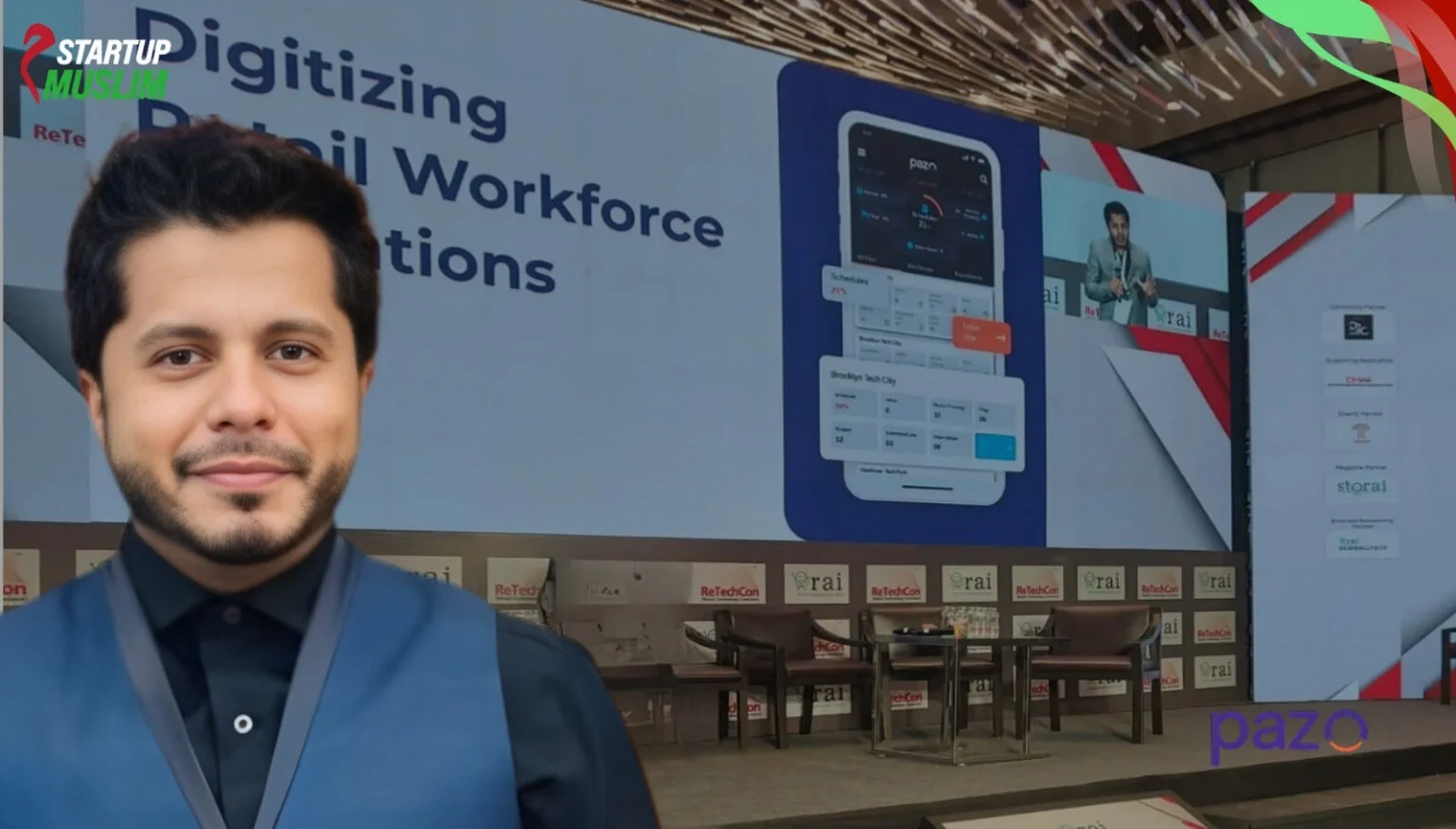
A Gap Between Digital Sophistication and Physical Operations
Over the past two decades, businesses have undergone rapid digital transformation. Customer-facing systems, e-commerce platforms, and analytics tools have become increasingly sophisticated. Yet behind the scenes, a critical part of business operations has remained largely unchanged.
Frontline operations—retail stores, visual merchandising teams, and facility management—continue to rely on paper checklists, fragmented communication, and manual processes. For Sharjeel Ahmed, Founder and CEO of Pazo, this disconnect was impossible to ignore. “While the digital world was evolving rapidly, physical operations were still stuck in outdated systems,” he reflects. That observation became the starting point for Pazo.
From Early Curiosity to Global Tech Experience
Ahmed’s journey into technology began long before professional success. Growing up in an era with limited internet access, he relied on programming books, typing code line by line and debugging without external help. That process shaped not just his technical skills, but his approach to problem-solving.
“Every bug was a puzzle you had to solve on your own,” he recalls. This early curiosity eventually led him to work at global technology leaders including Microsoft and Adobe. There, he gained firsthand experience in building large-scale systems, working within high-performing engineering teams, and understanding what defines world-class software. But even within those environments, he continued to notice a persistent gap—one that traditional software had yet to address.
The Birth of Pazo
Pazo was born out of frustration with how businesses manage their physical operations. Retail brands invest heavily in store design, visual merchandising, and brand standards. Yet they often lack visibility into whether those standards are being consistently executed across locations.
At the same time, frontline workers—store staff, facility managers, and operations teams—are left navigating inefficient tools and fragmented workflows. Pazo was designed to address both sides of this problem. The platform acts as an AI-first operations layer, enabling businesses to manage store execution, compliance, and facility operations through structured workflows and real-time visibility. By using image capture and AI verification, it allows organizations to ensure that standards are not just defined—but actually implemented.
Building for the Frontline
What distinguishes Pazo is its focus on a segment of the workforce that is often overlooked in technology design. Frontline workers are essential to business operations, yet they are frequently the last to receive modern tools. For Ahmed, this is where the real impact lies. “The people who keep businesses running are often the ones with the least access to good technology,” he says.
Moments of validation often come not from dashboards or metrics, but from direct interactions. Store staff sharing how the platform simplifies their work, or operational leaders expressing interest in joining the company, serve as powerful signals that the product is solving a real problem.
Navigating the Challenges of Enterprise Growth
Like many enterprise-focused startups, Pazo faced a significant hurdle early on: long sales cycles. Selling to large organizations can take six to twelve months, creating pressure on resources and cash flow—especially for a company that began as bootstrapped before raising seed funding.
Ahmed addressed this by shifting focus toward mid-market customers, where decision-making cycles are shorter but the problems remain equally relevant. This approach allowed the company to build traction, generate case studies, and gradually expand into larger enterprise accounts.
Expanding Into Global Markets
Pazo is now entering a new phase of growth, with a strong focus on international expansion. The United States represents a key market, given its scale and the maturity of its retail ecosystem. At the same time, the company continues to expand across Southeast Asia and the Middle East, regions where similar operational challenges persist.
The roadmap includes deeper investment in AI-driven analytics, predictive maintenance capabilities, and integrations with enterprise systems such as ERP, IoT, and HR platforms. The long-term vision is to become the central intelligence layer for physical operations across industries.
A Culture Built on Trust and Ownership
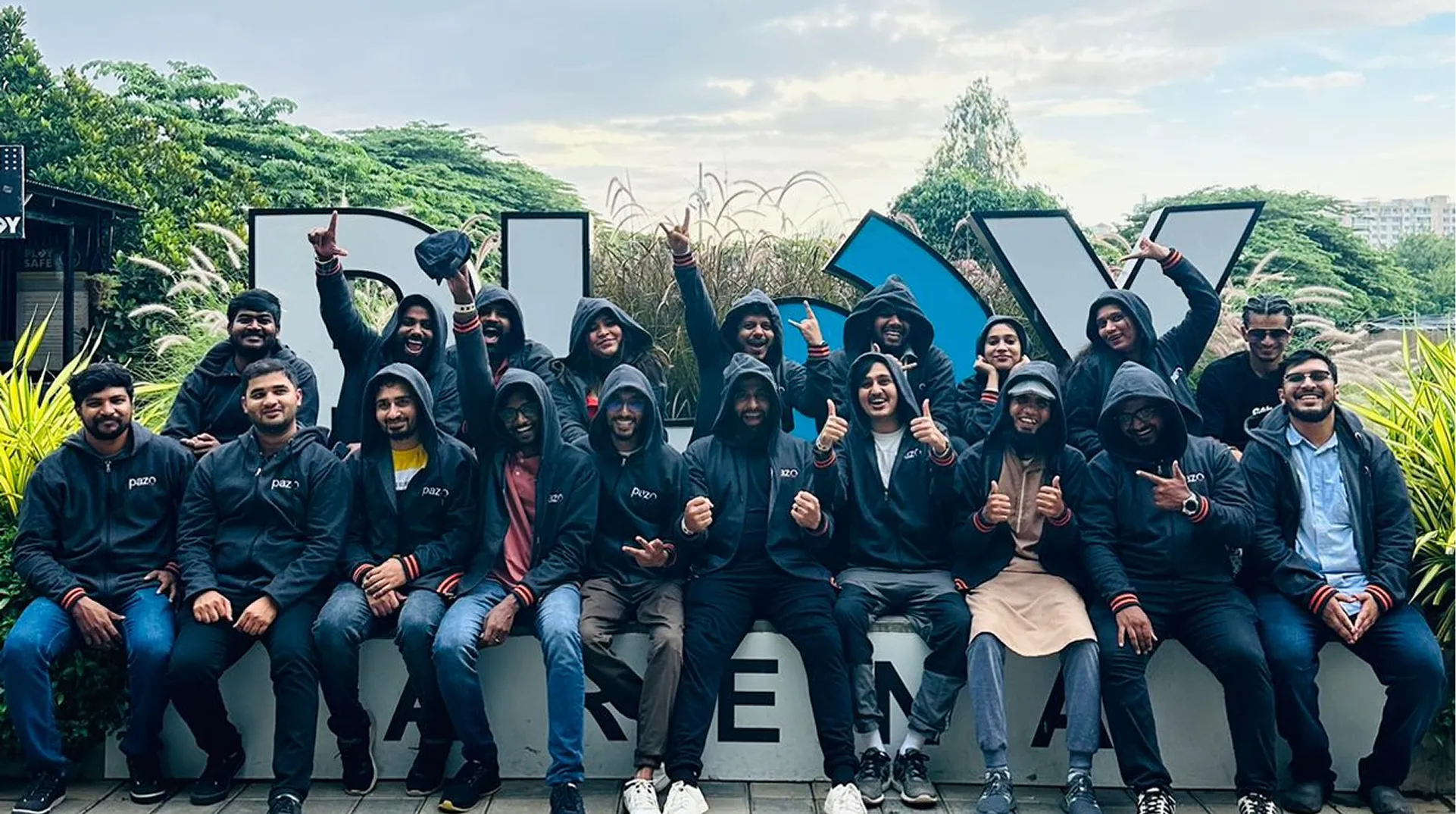
Internally, Pazo operates on a set of principles that emphasize autonomy and accountability. Ahmed describes the company culture as one rooted in transparency, ownership, and empathy. Employees are given the freedom to work without rigid structures, with the expectation that they take full responsibility for outcomes.
“If you hire adults and treat them like adults, they will take ownership,” he says. This trust-based approach has contributed to strong internal feedback, reflected in high employee satisfaction ratings across platforms like Glassdoor and AmbitionBox.
At the same time, empathy remains central—not just within the team, but in how products are designed. Every feature must work for users operating in real-world conditions, often on low-end devices in challenging environments.
Advice Rooted in Purpose
For aspiring Muslim entrepreneurs, Ahmed emphasizes the importance of intention. He encourages founders to start with sincerity—building products that genuinely help people rather than chasing purely financial outcomes. “Build with ikhlas,” he advises. “The barakah follows.”
He also highlights the importance of community, noting the growing ecosystem of Muslim founders, mentors, and peers who can provide both professional and spiritual guidance.
A Legacy of Dignity in Work
Looking ahead, Ahmed’s vision for Pazo extends beyond business metrics. He hopes the company will be remembered for bringing efficiency and dignity to frontline work—transforming how businesses operate while improving the daily experiences of the people who keep them running. “These workers are the backbone of every economy,” he says.
If Pazo can help make their work more structured, more efficient, and more valued, he believes that would be a legacy worth building. In an era where innovation often focuses on what is visible to customers, Pazo is addressing what happens behind the scenes. Because sometimes, the most impactful technology is not the one that attracts attention but the one that makes everything else work better.
